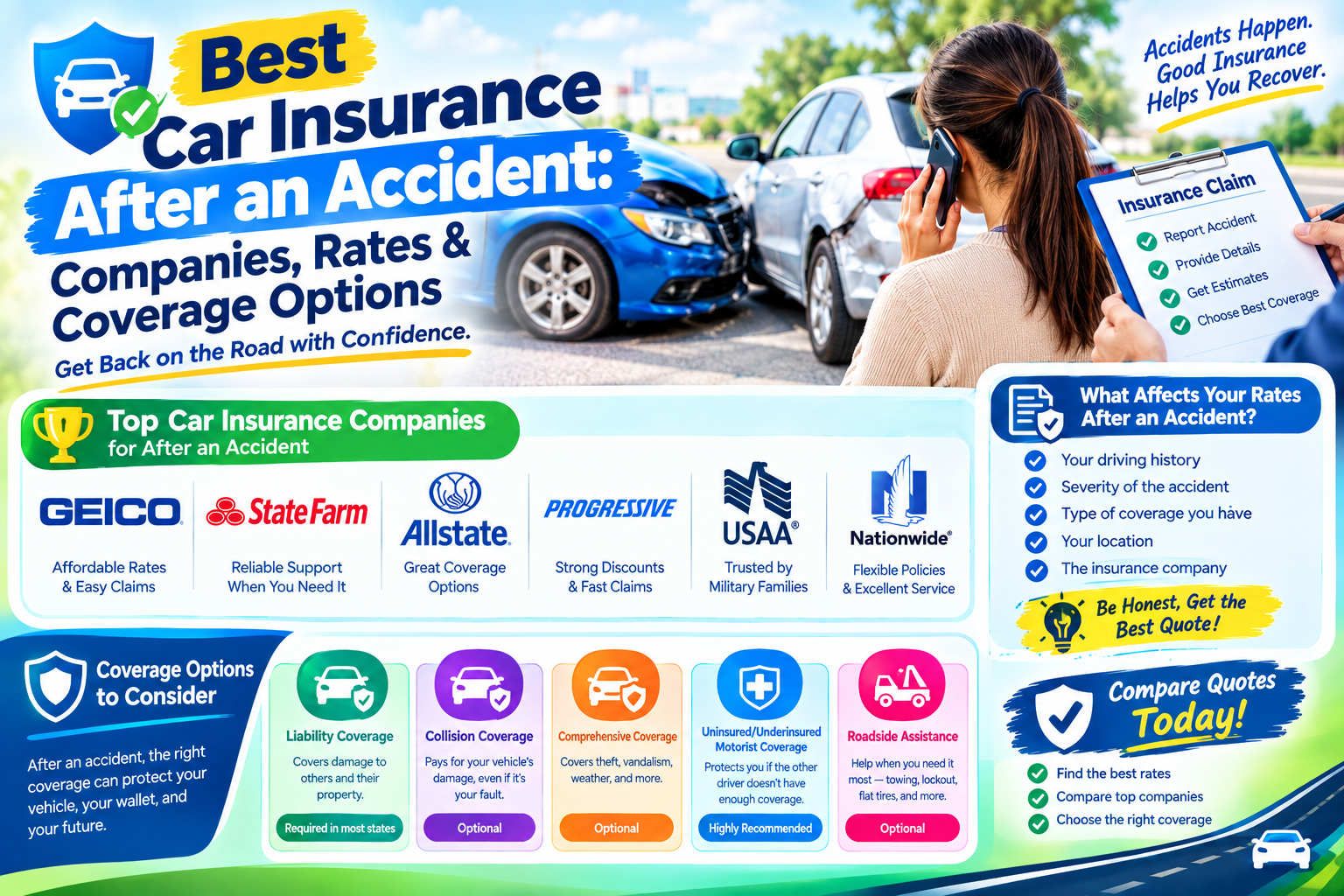
Understanding Car Insurance After an Accident
Car insurance is designed to provide financial protection against damage or liability that may arise after an accident. The process begins when a driver involved in an accident reports the incident to their insurance company. Claim processing typically involves the insurer assessing the damages, gathering necessary documentation, and determining fault. This assessment is crucial as it influences the compensation amount available to the insured party.
One of the primary factors to consider post-accident is how the incident will affect insurance rates. Generally, when a claim is made, especially where fault is determined, the premium may increase upon renewal. Insurers view claims as indicators of higher risk, which can lead to potential hikes in insurance costs. It is essential to understand that the impact on premiums can vary significantly between policies and insurers. Some providers offer accident forgiveness policies that allow drivers to have their first accident without a subsequent increase in rates.
Moreover, maintaining adequate coverage is paramount when navigating the aftermath of an accident. Drivers should regularly review their policy limits to ensure they have sufficient coverage for bodily injury, property damage, and other related expenses. Minimum coverage requirements vary by state, but these limits may not always adequately protect against high medical bills and extensive vehicle damage. An average accident can incur costs that far exceed basic coverage, leaving uninsured losses for the driver to manage out-of-pocket.
Therefore, understanding the nuances of car insurance is vital for informed decisions after an accident. Assessing claims processing, awareness of rate impacts, and ensuring adequate coverage can help mitigate future risks and financial burdens associated with car accidents. This proactive approach is essential for drivers seeking to secure their financial well-being following an accident.
Types of Car Insurance Coverage Available
When navigating the aftermath of a car accident, understanding the various types of car insurance coverage available is essential for ensuring proper protection. Each type of coverage serves a distinct purpose and is crucial depending on the circumstances of the accident.
One of the most fundamental types of coverage is liability insurance. This type of coverage is mandatory in most states and protects the insured from financial responsibility in the event that they are deemed at fault for an accident. It covers damages to the other party’s vehicle and medical expenses for injuries sustained in the incident. Liability insurance essentially acts as a financial safeguard against claims, making it a vital component of any car insurance policy.
Next, we have collision coverage, which specifically covers damages to your own vehicle after an accident, regardless of who is at fault. This type of insurance is beneficial if one is involved in a collision and requires repairs. It is particularly important for newer or more valuable vehicles, as it can prevent significant out-of-pocket costs for repairs or replacements.
Additionally, comprehensive coverage is another significant type of protection that addresses non-collision-related damages, such as theft, vandalism, or natural disasters. This form of coverage ensures that vehicle owners are protected from unexpected losses that are not the result of a collision. Having comprehensive insurance can provide peace of mind, knowing that your vehicle is protected against a variety of potential risks.
Lastly, uninsured motorist coverage is crucial in cases where the at-fault driver lacks sufficient insurance. This coverage allows insured individuals to recover damages resulting from an accident caused by an uninsured or underinsured driver, effectively safeguarding one against potential financial losses when involved with such individuals.
Understanding these different types of car insurance coverage is essential for drivers, especially after an accident. Each type addresses specific risks and can significantly impact financial recovery and peace of mind on the road.
Factors Affecting Car Insurance Rates After an Accident
When determining car insurance rates following an accident, insurance companies assess several crucial factors. The most significant of these is the fault of the driver involved in the incident. If a driver is deemed at fault, it often leads to higher premiums in subsequent policy renewals. Conversely, a driver who is not at fault may not see as significant an increase, but adjustments can still occur based on overall risk assessment.
The severity of the accident also plays a critical role in rate adjustments. More severe accidents, especially those involving significant property damage or personal injuries, can lead to steeper increases in premiums. Insurance companies often analyze claim amounts and payouts associated with the accident, which can directly influence the future insurance costs.
Another essential aspect considered is the driving history of the individual. A history of frequent accidents, traffic violations, or claims can mark a driver as high risk, prompting insurers to raise rates. In contrast, a clean driving record may mitigate the impact of a recent accident, helping to keep premiums manageable.
The type of vehicle insured can also affect the rate calculations. Cars that are more expensive to repair or those deemed high-performance often result in higher insurance costs due to the increased risk associated with them. Additionally, vehicles with a track record of being involved in accidents can influence the rate adjustments significantly.
In summary, multiple factors impact car insurance rates after an accident, including fault determination, accident severity, the driver’s history, and vehicle type. Understanding these elements can help drivers better navigate the complexities of their insurance policies and identify potential areas for savings or improvement in their coverage options.
Top Car Insurance Companies for Accidents
When searching for the right car insurance after an accident, it is crucial to consider companies known for their excellent customer service, responsive claims support, and favorable rates tailored for drivers with previous accident history. Below are some of the top car insurance companies that stand out in these areas.
Geico is often recognized for its competitive rates and efficient online services. They offer a user-friendly process for filing claims, which is particularly beneficial for individuals who have experienced accidents. Additionally, Geico’s customer satisfaction ratings are consistently high, making it a popular choice among drivers looking for reliable coverage.
Progressive is another notable insurer in this category. Known for its innovative pricing tools, Progressive offers personalized quotes based on individual driving records. Their claims handling process is efficient, which can provide peace of mind to drivers who have been in accidents. Progressive also provides access to various discounts, which can further aid in reducing overall insurance costs.
State Farm emphasizes customer service and maintains a vast network of agents that can assist policyholders throughout the claims process. Their commitment to personal interaction helps ensure that drivers feel supported after an accident. State Farm also offers comprehensive auto insurance policies, which can respond well to the specific needs of individuals with a history of accidents.
Allstate is well-regarded for its extensive range of coverage options and add-ons tailored to drivers. Their accident forgiveness policy can be a significant advantage for those worried about premium increases following an accident. Additionally, Allstate’s robust mobile app facilitates easy claims filing and tracking, enhancing user experience.
Finally, Nationwide provides additional resources such as accident alerts and roadside assistance, which can be invaluable after an incident. Their focus on customer education about safe driving can also help reduce future claims.
Choosing the right car insurance company after an accident involves evaluating not only the premiums but also the level of service and support they provide. By considering these reputable companies, drivers can find options that meet their needs while ensuring they have adequate coverage moving forward.
Comparing Rates from Different Insurers
After an accident, one of the critical steps to take is to compare car insurance rates from various insurers. This process allows you to identify potential savings and understand the coverage options that best suit your needs. Start by gathering quotes from multiple insurance companies, as rates can vary significantly based on factors like the insurer’s policies and your driving history.
A convenient way to collect quotes is to utilize online comparison tools. Numerous websites allow you to input your specific details and receive multiple quotes simultaneously. Such platforms not only streamline the process but also provide insights into the different types of coverage offered by each company. Make sure to enter the same information for each quote to ensure consistency, which can help you make an apples-to-apples comparison.
When engaging with insurance agents, it is essential to ask the right questions. Inquire about any discounts you may qualify for, such as good driver discounts, multi-policy discounts, or loyalty programs. Additionally, ask about the deductible amounts and how they will impact your premium. Understanding the fine details of each policy is crucial when determining which coverage aligns with your personal circumstances.
Additionally, consider the reputation of each insurer. Research customer reviews and ratings to gauge their service quality, especially pertaining to claims handling. A policy with a lower premium may not be the best choice if the insurer has poor customer service or slow claims processing times. Thus, while comparing rates, incorporate these qualitative factors with the quantitative data from the quotes you receive.
In conclusion, effectively comparing car insurance rates post-accident involves a careful analysis of both pricing and coverage options. By taking advantage of online tools and asking comprehensive questions, you can find a policy that suits you both financially and in terms of the coverage you need.
The Importance of Shopping Around for Insurance
Shopping around for car insurance after an accident is a crucial process that can significantly impact your financial well-being. Many drivers assume that simply renewing their policy with their current provider is the easiest route, but this can lead to missed opportunities for savings and improved coverage options. Following an accident, factors including your claim history and driving record can alter the risk assessment that insurers apply to you, ultimately affecting your premiums.
When assessing car insurance offers, it is vital to consider that different companies may view the same risk differently. This variation can result in diverse premium quotes and coverage options. By obtaining and comparing multiple estimates, you open yourself up to the possibility of securing a better rate and benefits that align more closely with your needs. Some insurers might provide discounts for specific safety features or for maintaining a clean driving record post-accident, aspects that could be overlooked when sticking with a single insurance provider.
In addition to potential cost savings, shopping around allows you to evaluate the adequacy of your coverage. After an accident, your needs may have changed, and your current policy might not provide the protection necessary for your situation. Each insurance provider has its unique set of covered incidents, policy limits, and deductibles, and understanding these can help you make informed decisions about the level of risk you are willing to accept.
The process of comparing quotes can be made easier using online tools and platforms that streamline the search for the best car insurance deals. As you move forward after an accident, taking the time to investigate your options can lead to significant savings and more tailored coverage that reflects your present circumstances. Therefore, it is imperative to not only look at price but also at the comprehensive benefits each insurer offers. Fostering an informed choice ensures that you will feel secure and protected on the road while managing costs effectively.
How to Choose the Right Policy for Your Needs
Choosing the right car insurance policy after an accident can be a challenging task, but it is essential to ensure that you have adequate coverage to protect yourself and your vehicle. Evaluating different insurance policies involves considering several critical factors, including your budget, coverage requirements, and personal circumstances.
The first step in selecting the appropriate insurance policy is determining your budget. Assess your financial situation to understand how much you can allocate towards your car insurance premium. Consider not only your immediate costs but also any potential increases that may arise if you are involved in another accident. It’s important to strike a balance between affordability and the level of coverage you require. Some drivers may prioritize lower premiums, while others may prefer comprehensive coverage even at a higher cost.
Next, evaluate your coverage needs by reflecting on your driving habits, the value of your vehicle, and any specific requirements you might have. If you frequently drive in high-traffic areas or roads less maintained, acquiring a policy with higher liability limits may be worth considering. Additionally, understanding the difference between liability coverage, collision coverage, and comprehensive coverage is crucial. Liability coverage protects you against damages caused to others in an accident, while collision and comprehensive coverages provide protection for your vehicle from damage and theft, respectively.
Finally, take into account your personal circumstances. Factors such as your driving history, mileage patterns, and any existing relationships with insurance companies can influence the type of policy you select. For example, some insurers offer discounts for safe driving records or bundling multiple policies, which can help reduce overall costs. Comparing quotes from various insurance providers is also advisable, as it allows you to identify the best options available in the market.
Common Mistakes to Avoid When Selecting Insurance
Choosing the right car insurance after an accident can be a challenging process. Many individuals often fall victim to common pitfalls that can lead to inadequate coverage or unwanted financial repercussions. One such mistake is overlooking essential policy details. It is critical for drivers to fully understand the terms and conditions of any insurance policy they consider. This includes comprehending coverage limits, deductibles, and the extent of liability protection. Failing to read the fine print can result in significant gaps in coverage, particularly in the aftermath of an accident.
Another frequent error during the insurance selection process is ignoring customer reviews and feedback. Prospective policyholders often rely solely on advertisements or brochures without investigating the insurer’s reputation in the market. Checking customer reviews can provide valuable insights into the insurer’s claims process, customer service responsiveness, and overall reliability. Many disgruntled customers share their experiences, which can serve as warnings about potential problems with specific insurance providers.
Additionally, many individuals forget to consider their specific needs when selecting car insurance. Each driver has a unique situation, including factors such as driving habits, the vehicle type, and personal finance conditions. Generic policies may not fit all circumstances. For instance, a driver with a long commute may require different coverage than someone who only runs occasional errands. Tailoring a policy to align with personal requirements ensures that the selected coverage genuinely addresses the risks faced by the individual.
Moreover, individuals often rush the decision-making process, which can lead to hasty choices that do not adequately protect them. Taking the time to evaluate multiple insurance options, compare quotes, and ask questions can help make a more informed selection. Incorporating these practices into the selection process can pave the way for more satisfactory insurance outcomes in the long term.
Conclusion and Final Thoughts
In conclusion, navigating the complexities of car insurance after experiencing an accident is crucial for any driver. It is essential to reassess your insurance coverage and understand your options thoroughly. Accidents can lead to an increase in premiums; hence, being proactive about your insurance choices can help mitigate these costs in the long run. Evaluating your current policy and considering alternatives can significantly impact your financial stability.
Moreover, after an accident, it is imperative to communicate with your insurance provider to accurately report the incident and ensure that you receive the appropriate assistance. Understanding terms such as liability coverage, collision coverage, and medical payments coverage is important for making informed decisions. Policyholders should regularly compare different insurance providers to find the best fit for their current needs, particularly after an incident that may change their risk profile.
Additionally, educating oneself about local laws and regulations can provide insights into mandatory insurance requirements and potential penalties for inadequate coverage. Taking the time to review and possibly upgrade your policy can provide greater peace of mind and security on the road. Remember, the goal is to have sufficient coverage that not only protects you financially but also supports your unique needs as a driver.
In essence, being informed and diligent in managing your car insurance can lead to better financial outcomes, especially after an accident. Thus, it encourages all drivers to take these proactive measures seriously, ensuring that they are adequately covered for any unforeseen circumstances in the future.