Understanding Car Insurance Basics
Car insurance is a critical aspect of vehicle ownership, providing financial protection against a variety of risks associated with driving. It is essential to comprehend the fundamentals of car insurance to make informed decisions that could lead to more affordable options in coverage. Various types of coverage exist, and understanding each can aid in selecting the most suitable plan for individual needs.
The primary types of car insurance coverage include liability, collision, comprehensive, personal injury protection (PIP), and uninsured/underinsured motorist coverage. Liability insurance helps cover the costs associated with damage to another person’s property or medical expenses if you are deemed at fault in an accident. Collision coverage pays for damage to your vehicle following a collision, while comprehensive coverage addresses damage not related to a collision, such as theft, vandalism, or natural disasters.
Additionally, personal injury protection covers medical expenses for you and your passengers after an accident, regardless of fault. Uninsured or underinsured motorist coverage offers protection against costs incurred from accidents involving drivers who do not hold adequate insurance. Knowing these types of coverage allows individuals to tailor their policies better to their driving habits and financial situations.
Key insurance terms such as premiums, deductibles, and limits are also essential for understanding your policy. The premium is the amount paid for coverage, while the deductible is the amount you must pay out of pocket before insurance kicks in. Coverage limits denote the maximum amount an insurer will pay in the case of a claim. Familiarity with these terms not only aids in policy comprehension but also helps in comparing plans effectively.
Having a grasp of car insurance basics is crucial when seeking the best deals. It enables potential policyholders to evaluate their options intelligently and negotiate better terms. Ultimately, informed consumers are more likely to secure affordable car insurance that properly meets their needs.
Factors Influencing Car Insurance Rates
Car insurance rates are influenced by a variety of factors that play a crucial role in determining the premium amounts that drivers will pay. Understanding these elements can aid policyholders in navigating the landscape of vehicle insurance and potentially lead to significant savings.
One of the primary factors impacting car insurance premiums is the driver’s age. Younger drivers, particularly those under the age of 25, typically face higher rates due to limited driving experience and a higher statistical likelihood of being involved in accidents. Conversely, older, more experienced drivers often enjoy lower premiums, as their established driving histories can demonstrate responsible behavior on the road.
In addition to age, an individual’s driving history is a significant determinant of insurance costs. Drivers who maintain a clean driving record indicate that they are less likely to file claims, which typically earns them lower rates. On the other hand, those with a history of traffic violations, accidents, or claims may find themselves paying significantly more for their car insurance. Insurance providers assess this history to gauge risk levels associated with insuring a particular individual.
The type of vehicle also plays a critical role in how insurance rates are calculated. Vehicles that are deemed safer or have lower repair costs often come with more affordable premiums. Conversely, high-performance or luxury vehicles usually attract higher rates due to their higher replacement costs and attractiveness to thieves. Thus, when seeking affordable car insurance, it is essential to consider not only the make and model of a vehicle but also its safety ratings and repair track record.
Finally, a driver’s credit score is another crucial factor that many insurance companies consider when calculating premiums. Research has shown that individuals with higher credit scores generally pose a lower risk to insurers, hence are rewarded with lower rates. Drivers looking to lower their insurance costs would benefit from strategies aimed at improving their credit score.
Comparing Insurance Quotes Effectively
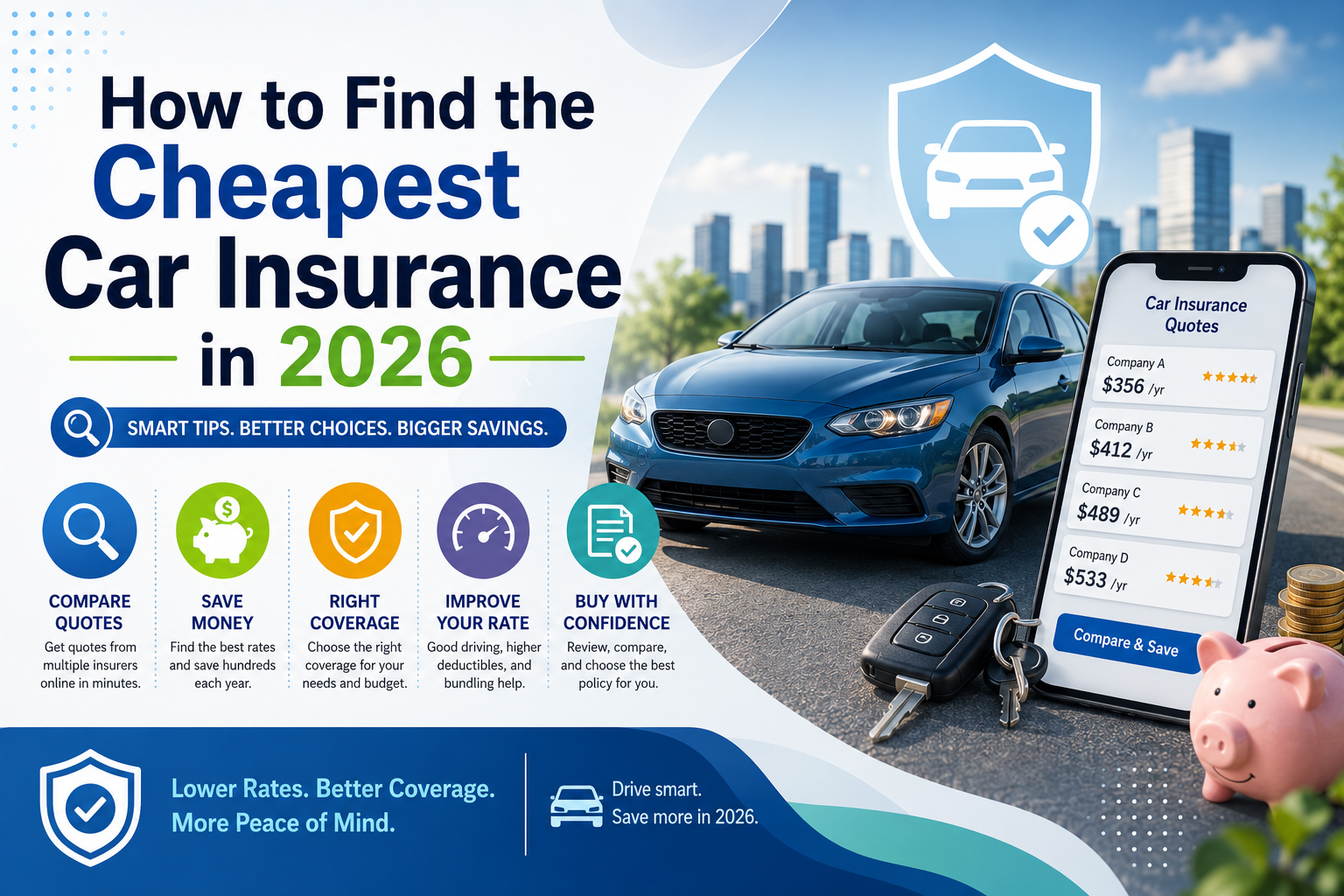
Obtaining multiple car insurance quotes is a crucial step in finding affordable coverage. The process allows consumers to effectively compare various aspects of insurance policies to identify the best options available. To begin with, it is essential to gather quotes from multiple insurance providers. This enables a comprehensive view of the market, which can lead to significant savings.
When comparing quotes, focus on several key factors. First and foremost, analyze the coverage options each policy offers. Different insurers provide varying levels of protection, which can significantly impact your overall premium costs. Ensure that you are comparing similar coverage levels, including liability, collision, and comprehensive coverage, so you can obtain an accurate assessment of what each quote entails.
Another vital component to consider is the premium cost associated with each quote. However, it is important not to choose solely based on the lowest price. Instead, assess how the cost relates to the coverage provided. Sometimes, a slightly higher premium can result in much better coverage, which is often worth the investment in the long run. Additionally, take note of any deductibles required by each policy, as these will affect your overall out-of-pocket expenses in the event of a claim.
Customer service ratings also play a significant role in the decision-making process. A lower premium may not be beneficial if the insurer has a poor reputation for handling claims or providing customer support. Online reviews and ratings can be valuable tools in gauging the quality of an insurance provider’s customer service, which is essential when considering long-term relationships.
In conclusion, to secure affordable car insurance effectively in 2026, make a well-informed decision by comparing quotes from different providers based on premium costs, coverage options, and customer service ratings. This thorough approach will help you identify the best and cheapest car insurance policy for your needs.
Utilizing Technology for Better Rates
In today’s rapidly evolving digital landscape, technology plays a crucial role in the search for affordable car insurance rates. Insurance comparison sites have emerged as invaluable tools for consumers, enabling them to easily compare different policies and prices across a broad array of providers. These platforms allow users to input their specific details, such as vehicle information, driving history, and coverage preferences, and in a matter of moments, generate a list of tailored insurance options. By leveraging such technologies, policyholders can make well-informed decisions and identify the best deals available to them in 2026.
Another significant advancement in securing affordable car insurance is the rise of mobile applications dedicated to insurance management. These apps not only streamline the policy management process but also provide features that help users track their driving habits. By monitoring attributes such as speed, braking patterns, and overall mileage, individuals can gain insights into their driving behaviors. Many insurers offer discounts for lower-risk drivers, incentivizing safer driving through telematics. This data-driven approach helps insurers customize rates based on actual driving behavior rather than solely on demographic information.
Furthermore, technology is continuously enhancing the capabilities of telematics devices. These gadgets, often installed in a vehicle, track real-time data and conditions, helping insurers assess risk more accurately. As a result, drivers who consistently demonstrate cautious driving can benefit from significant savings. By embracing these technological innovations, consumers are not only empowered to find the lowest car insurance rates but also encouraged to adopt safer driving practices.
Implementing these tech-driven approaches in the quest for affordable car insurance enhances competitiveness among providers, ultimately driving down costs for consumers. As technology continues to evolve, adapting to these advancements will become increasingly crucial for securing the most economical auto insurance rates.
Discounts and Savings Opportunities
One effective way to secure affordable car insurance in 2026 is by taking advantage of the various discounts that insurance companies offer. These discounts can significantly reduce your premiums, making car insurance more budget-friendly. Here, we’ll outline some common discounts available to policyholders.
Many insurers provide a bundling discount, which rewards customers for combining multiple policies with the same provider, such as home and auto insurance. This strategy not only simplifies your payments but can also lead to considerable savings on your overall insurance costs. It is advisable to check with your insurer to see what bundles they offer and whether they can meet your specific needs.
Another popular opportunity for savings comes from the safe driver discount. Insurers generally offer this discount to drivers who maintain a clean driving record over a specified period. A good track record without accidents or traffic violations demonstrates responsible driving behavior and often results in lower premium rates. To maximize savings, it’s essential to be aware of your provider’s criteria for this discount and to consistently practice safe driving habits.
Additionally, the rise of technology has introduced the usage-based insurance model, which adjusts premium rates based on individual driving habits. By enrolling in a program that tracks your driving through a mobile app or device, you can potentially benefit from lower rates if your driving behavior is deemed safe and responsible. This type of insurance can also encourage more mindful driving, which has the added benefit of contributing to road safety.
Leveraging these discounts and savings opportunities can be instrumental in reducing your car insurance premiums. Always inquire with your insurance provider about what discounts are available, as they may differ by company and region. Educating yourself about these options can lead to significant long-term savings.
The Importance of Maintaining a Good Driving Record
Having a clean driving record is a crucial factor influencing car insurance rates. Insurance companies typically assess driving history to determine the level of risk associated with insuring an individual. A record devoid of accidents, traffic violations, or claims can lead to lower premiums, making it financially beneficial for drivers to prioritize safe driving practices.
To maintain a clean driving record, adopting safe driving techniques is essential. This includes obeying speed limits, using turn signals appropriately, and remaining attentive to road conditions at all times. Such habits not only contribute to personal safety but also demonstrate responsible behavior to insurance providers, potentially resulting in rewards such as discounts on premiums.
In situations involving accidents or violations, how a driver responds can significantly affect their record. Participants in an accident should always exchange information with other parties, document the scene, and, if possible, take photographs. It is also advisable to notify the insurance company promptly, as failing to report incidents can lead to negative consequences, including an increase in premiums.
For drivers concerned about previous infractions impacting their insurance, certain strategies may help in improving their standing. Taking defensive driving courses can not only enhance driving skills but may also lead to discounts offered by insurers for participating in such training programs.
Ultimately, maintaining a good driving record is vital. By committing to safe driving and handling accidents wisely, individuals can effectively manage their insurance costs and preserve their eligibility for more favorable rates. As such, cultivating habits that promote safety on the road can yield significant long-term savings on car insurance.
Reviewing and Adjusting Your Coverage
Regularly reviewing and adjusting your car insurance coverage is a critical aspect of ensuring you maintain both adequate protection and affordability. As personal circumstances fluctuate—whether due to changes in income, driving habits, or family status—insurance needs often evolve as well. Staying proactive about these adjustments can yield significant savings on your premiums.
One of the primary considerations in this process is evaluating the adequacy of your current coverage. For instance, if you’ve recently transitioned to a new job that requires less commuting or have moved to a less risky area, it may be prudent to reassess your policy limits. Lower mileage or a reduced risk environment could potentially allow you to opt for different coverage limits, ultimately lowering your overall costs.
Furthermore, raising your deductibles is another effective strategy. A higher deductible typically results in a lower premium, which can lead to substantial savings over time. However, it is essential to ensure that you can comfortably afford the increased deductible should you need to file a claim. Balancing the potential savings with your financial capacity is crucial.
Additionally, consider dropping any unnecessary coverage. If you own an older vehicle, for instance, full coverage may no longer be beneficial, as the cost of premiums could exceed the vehicle’s worth. In such cases, opting for liability coverage may be a more financially sound decision.
Moreover, as life circumstances change—like getting married or moving to a new city—certain discounts may become applicable. Consulting with your insurance provider can help identify any potential savings from these life changes. It is advisable to schedule regular reviews of your car insurance policy, ideally annually, to ensure that your coverage aligns with your current needs without incurring excess costs.
The Role of Insurance Brokers
Insurance brokers and agents serve as intermediaries between consumers and insurance companies, playing a vital role in the process of securing car insurance. They possess in-depth knowledge of the insurance market and are equipped with the expertise to help clients navigate through various insurance options. One significant advantage of utilizing the services of an insurance broker is their ability to compare policies from multiple providers. This comparison allows consumers to make informed decisions based on the best rates and coverage options available.
Consulting an insurance broker can be particularly beneficial for individuals who may not have the time or knowledge to research every available policy. Brokers can assess individual needs and recommend options that provide the best value for money. Furthermore, they can often access exclusive deals that may not be available to consumers shopping independently.
In some instances, however, individuals may find that shopping for insurance independently is a viable option. Online tools and resources make it easier for consumers to gather quotes and compare rates on their own. For those who are comfortable navigating the process and understand their coverage requirements, direct shopping can also be efficient.
Ultimately, the decision to engage an insurance broker or to shop independently should be based on one’s individual circumstances. Factors such as the complexity of insurance needs, time availability, and the desire for personalized service can influence this choice. For complicated situations involving multiple vehicles, specialized coverage, or significant assets, a broker’s expertise may provide invaluable assistance. Conversely, straightforward needs may be adequately addressed through direct online comparison tools.
In conclusion, both insurance brokers and independent shopping have their merits. Each consumer should weigh these options carefully to determine which approach aligns best with their car insurance needs.
Planning Ahead: Shopping for Car Insurance in 2026
As the new year approaches, it is essential for consumers to prepare effectively for purchasing car insurance. In 2026, various factors will influence the car insurance landscape, making it vital for individuals to adopt strategic planning techniques. This section outlines actionable steps and a timeline to optimize the chances of finding affordable car insurance.
Firstly, consumers should begin by reviewing their current policy a few months before the renewal date. This preparation phase allows for an assessment of coverage needs, deductible preferences, and potential areas for improvement. It is advisable to compare existing coverage options with new providers that may offer better rates or enhanced benefits.
Next, collecting quotes from multiple insurance companies is a crucial step. By obtaining at least three to four quotes, consumers gain a more comprehensive understanding of the market and can identify which insurance companies offer competitive pricing. Online comparison tools can streamline this process, allowing consumers to save time and effort while ensuring they do not overlook potential savings.
Furthermore, individuals should consider adjusting their coverage based on changes in their personal circumstances. For instance, reducing coverage for older vehicles or increasing deductibles can substantially lower premium costs. Additionally, implementing safety features and maintaining a good driving record will likely benefit consumers in the long run through premium discounts offered by insurers.
As part of the planning process, remaining aware of industry trends and upcoming regulations is essential. Keeping abreast of changes in state laws or emerging technologies, such as telematics, can provide insights that may influence car insurance rates. A proactive approach, including setting reminders for review dates and regularly updating personal information, ensures that shoppers are adequately prepared for the new year.
In conclusion, preparing for car insurance shopping in 2026 requires foresight, strategic planning, and ongoing education about market dynamics. By taking the necessary steps now, consumers will position themselves to secure the most affordable and appropriate coverage possible.