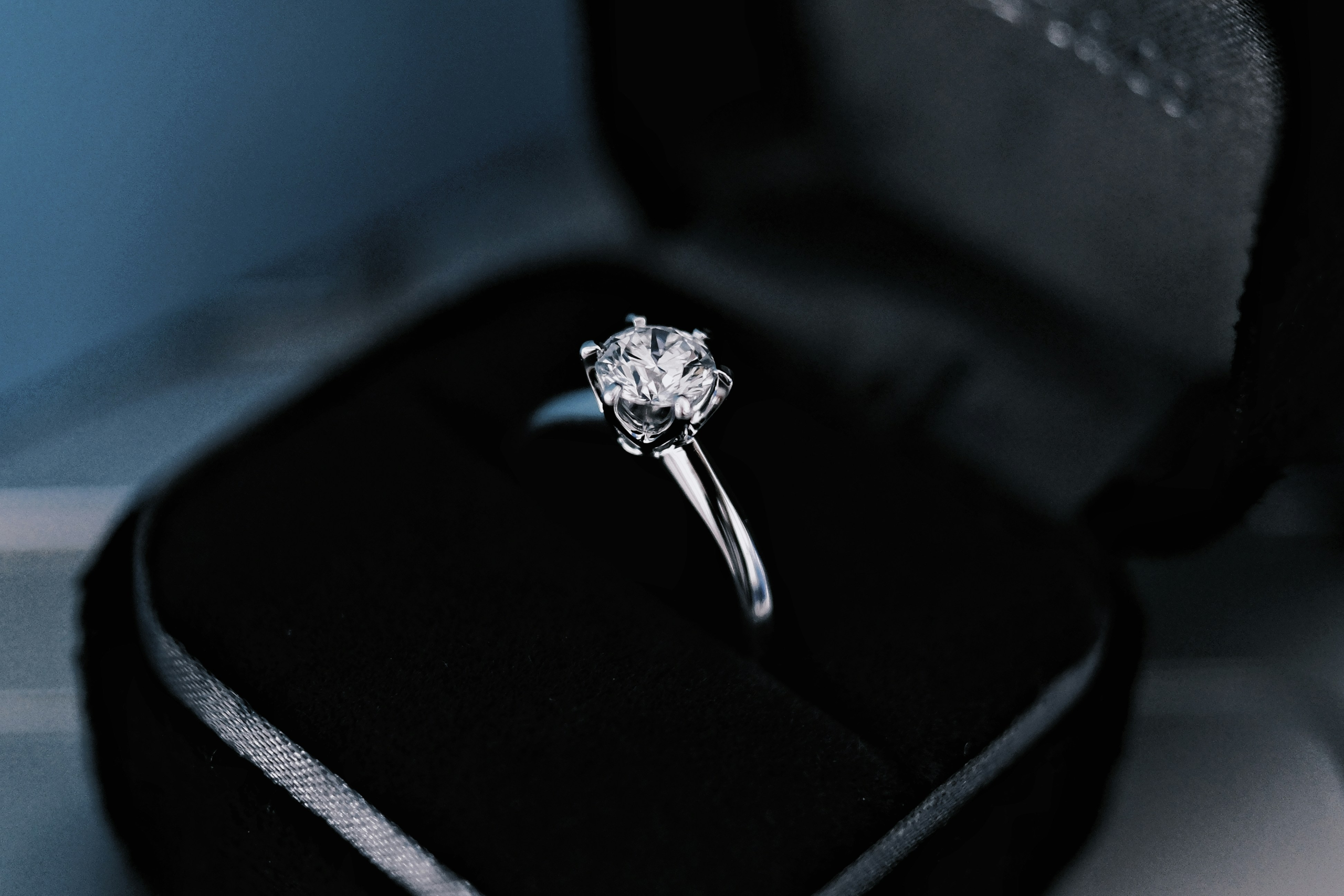
Understanding Engagement Ring Insurance
Engagement ring insurance is a specialized form of protection that covers the financial loss associated with the theft, damage, or loss of an engagement ring. As engagement rings often represent significant financial investment and emotional value, having adequate insurance helps protect these cherished items. The importance of engagement ring insurance cannot be overstated, as it provides peace of mind to the wearer, ensuring that if an unfortunate incident occurs, the loss can be mitigated.
Various types of coverage options are available when looking into engagement ring insurance. Most policies generally fall into two categories: a scheduled personal property policy and a homeowners or renters insurance policy that includes jewelry. A scheduled personal property policy is dedicated coverage specifically for high-value items, such as engagement rings. This type of policy usually requires the ring to be appraised, and coverage is based on that appraisal value. It addresses comprehensive loss coverage, which means it protects against virtually any unexpected incident that could cause damage or loss.
On the other hand, many homeowners or renters insurance policies may provide a limited amount of coverage for personal property, including jewelry, without needing to schedule specific items. It is essential to review these policies closely, as they often come with deductibles and may only cover theft, but not loss due to misplacement or damage. Understanding the specifics of engagement ring insurance can prevent a potentially costly financial headache should the unexpected occur.
When choosing an insurance policy for an engagement ring, assess factors such as the extent of coverage, exclusions, and premiums. Additionally, it is advisable to consider getting the ring appraised regularly and to keep organized records of the purchase details. This proactive approach can help ensure you are fully protected against any unfortunate events involving your valuable asset.
Types of Coverage for Engagement Rings
Engagement ring insurance is a crucial consideration for anyone who has invested in this significant piece of jewelry. There are various types of coverage options specifically available for insuring engagement rings, each tailored to different needs. The primary distinctions lie between scheduled and unscheduled policies, which provide varying levels of protection for loss or damage.
Scheduled policies are the more comprehensive option for engagement ring insurance. With a scheduled policy, the ring is appraised and a specific value is assigned to it. This coverage ensures that in the case of theft, loss, or damage, the full appraised value will be paid out, allowing the ring to be replaced or repaired without significant financial strain. It is essential to have a professional appraisal to accurately determine the ring’s worth, which helps in setting the correct coverage amount. Scheduled policies typically cover a wide range of incidents, including accidental loss and damage due to various circumstances.
On the other hand, unscheduled policies provide a more generalized type of coverage. These policies usually cover personal valuables up to a certain limit without the requirement of specifying each item individually. This means while an engagement ring can be included under an unscheduled policy, it may not be covered to the same extent as in a scheduled policy. For example, if the total limit of personal items is within a certain monetary cap, the payout for the engagement ring may be less than its full value if it were covered under a scheduled policy. Therefore, if you opt for unscheduled coverage, it is vital to review the policy’s terms and total limits to ensure adequate protection for high-value items like engagement rings.
In conclusion, choosing the right type of coverage for engagement ring insurance is vital for safeguarding your investment. Scheduled policies generally offer more robust protection, while unscheduled policies provide broader coverage with potential limitations. Understanding these differences can help individuals make informed decisions regarding the best insurance plan for their engagement rings.
Factors Affecting Insurance Premiums
When considering engagement ring insurance, several important factors can influence the premiums that policyholders might expect to pay. Understanding these variables is crucial for making informed decisions about coverage options and financial planning.
Firstly, the most significant factor affecting insurance premiums is the value of the engagement ring itself. Insurers typically assess the ring’s appraised value, which reflects the replacement cost should the ring be lost, stolen, or damaged. A higher appraised value usually results in higher premiums, as the insurance company anticipates greater financial exposure. Consequently, it is essential for owners to regularly re-evaluate their ring’s value, especially if significant changes in market conditions or gemstone values occur.
Another critical consideration is the type of insurance selected. There are generally two primary forms of coverage available: comprehensive jewelry insurance and standard homeowners or renters insurance. Comprehensive jewelry insurance offers targeted coverage specifically for jewelry, often including additional benefits such as worldwide coverage and no deductible options. In contrast, including jewelry under homeowners insurance might present a lower premium initially, but coverage may be limited, excluding incidents like mysterious disappearances. This distinction can directly affect pricing and should be carefully evaluated.
Moreover, policyholders can often enhance their coverage with various options that may incur additional costs. For instance, choosing a lower deductible can result in higher premiums, as the insurer’s financial risk is increased. Additionally, options such as worldwide coverage, or coverage for accidental loss, could also raise the premium amounts. Tailoring the insurance policy according to individual needs can strike a balance between premium costs and coverage adequacy.
Ultimately, understanding these key factors—ring value, choice of insurance type, and additional coverage options—will empower consumers to make knowledgeable and strategic decisions when securing engagement ring insurance.
How to Choose the Right Insurance Provider
Selecting the appropriate insurance provider for your engagement ring is a critical step in ensuring its protection. With the wide range of options available, it can be challenging to determine which provider is best suited to meet your needs. There are several key qualities to consider when evaluating potential insurance companies.
Firstly, reputation is paramount. Investigate the insurance provider’s history within the industry. Look for reviews and testimonials from past customers to gauge their experiences with the insurer. A reputable company will typically have a solid track record of honoring claims and providing fair settlements. Check ratings on independent review sites and consult your friends or family for recommendations.
Another vital aspect is customer service. The level of support you receive can influence your overall satisfaction with an insurance provider. Ensure that they offer accessible customer service through various channels, such as phone, email, or live chat. Consider testing their responsiveness by asking questions prior to committing to coverage. This can provide insight into how the company handles inquiries and concerns.
Claims processes should also be scrutinized carefully. A straightforward and efficient claims process is essential for peace of mind. Research how claims are filed and how the company approaches claims investigations. Can you file a claim online, or must it be done over the phone? Understanding the claims protocol can help you assess if the insurance provider is equipped to handle situations should they arise.
Additionally, examine the specific coverage options available for engagement rings. Not all policies are created equal; look for one that includes coverage for loss, theft, as well as damage. Sometimes, policies can be tailored to suit your specific needs, providing customized options that suit your valuable item.
In conclusion, by evaluating a potential insurance provider’s reputation, customer service, claims processes, and coverage options, you can make an informed choice that secures your engagement ring with confidence.
How to Get an Appraisal for Your Ring
Obtaining an appraisal for your engagement ring is a critical step in securing proper insurance coverage. An appraisal provides a formal assessment of the ring’s value based on various factors, including the quality of the gemstones, the metals used, and the craftsmanship. This documented valuation is essential not only for establishing the right amount of insurance but also serves as a record of the ring’s specifications for any future claims.
The first step in receiving an appraisal involves finding a qualified and certified appraiser. It is recommended to seek out appraisers who are accredited by recognized organizations such as the Gemological Institute of America (GIA) or the American Society of Appraisers (ASA). These credentials ensure that the appraiser possesses the necessary expertise regarding gemstones and jewelry valuation. A reputable appraiser will have substantial experience in analyzing various types of jewelry and will provide a detailed report based on an established methodology.
Once you identify potential appraisers, contact them to inquire about their services, fees, and any specific requirements they may have for the appraisal process. It is common for appraisers to request that you bring your ring in for an in-person evaluation. During the appointment, the appraiser will examine the ring closely, assessing both its physical characteristics and overall quality. This comprehensive evaluation typically takes about an hour and results in a detailed appraisal report, which should include information about the materials, value estimation, and market considerations.
After obtaining the appraisal, it’s advisable to use it promptly to secure engagement ring insurance. This documentation not only establishes the current value of your ring but also helps you to negotiate favorable terms with insurance providers. Ensuring that your engagement ring is appraised by a certified professional guarantees that you are adequately covered in the event of any loss or damage, ultimately providing peace of mind for the owner.
Claim Process: What You Need to Know
When it comes to engagement ring insurance, understanding the claim process is crucial for ensuring a seamless recovery in the event that your ring is lost, stolen, or damaged. The steps involved in filing a claim are typically standardized across many insurance providers, although specific requirements may vary.
Upon realizing that your engagement ring is missing or has been damaged, the first step is to notify your insurance company as soon as possible. It is recommended to do this within 24 hours of the incident, as a prompt report can facilitate a quicker resolution. Most insurance companies have a dedicated claims department, and you should reach out to them to initiate the process.
Next, gather all necessary documentation to support your claim. This may include the original purchase receipt or appraisal documents, which demonstrate the value of the ring. Additionally, if the ring was lost, you should prepare to provide any evidence of the loss, which may entail a police report if the ring was stolen. In some cases, you might also need to submit photographs of the ring, especially if it was damaged, to illustrate the extent of the damage.
After submitting the documentation, your insurance provider will assess the claim. This process may involve a claims adjuster who will evaluate the details, including the circumstances surrounding the loss or damage and the documentation you’ve provided. If all requirements are met, you should receive a claim decision, which can either approve the claim for repair or replacement or deny it based on the evidence submitted.
To streamline the claim process, it’s also wise to keep a record of all communications with your insurer. Accurate records can assist in case any discrepancies arise during the evaluation of your claim. Remember, being prepared with the correct information and documentation is vital for a successful claim.
Common Mistakes to Avoid When Insuring an Engagement Ring
Insuring an engagement ring is an important step in safeguarding one of life’s most cherished items. However, many individuals encounter various pitfalls during this essential process. Understanding these common mistakes can help ensure adequate coverage and prevent financial loss.
One of the most prevalent mistakes is underinsuring the engagement ring. Many people select a policy based solely on the original purchase price, failing to account for potential increases in value due to market fluctuations or appreciation of unique characteristics in the ring itself. It’s crucial to obtain a proper appraisal and regularly review the coverage to reflect the current market value.
Another mistake often made is not reading the fine print of the insurance policy. People may overlook specific exclusions or limitations that could affect their claims. For instance, some policies might not cover certain types of damage or may have strict requirements concerning maintenance or inspections. Taking the time to thoroughly understand the terms of coverage can help policyholders avoid unexpected surprises during a claim process.
Additionally, many individuals neglect to update their insurance policy after making any changes to the engagement ring. Whether it involves an upgrade, resizing, or a modification, failing to inform the insurer could result in inadequate coverage. Regularly updating the policy is essential to ensure that the ring is fully protected at all times.
Moreover, some individuals choose to forego specialized jewelry insurance altogether, opting instead for a homeowner’s insurance policy. While this may seem like a viable option, homeowner’s insurance may not provide the same level of coverage specifically tailored to jewelry. This distinction could lead to hidden risks, making it essential to evaluate the benefits of dedicated coverage.
In conclusion, avoiding these common mistakes—such as underinsuring the engagement ring, not thoroughly reviewing policy documents, neglecting to update coverage, and underestimating the value of specialized jewelry insurance—can protect your investment and provide peace of mind. Being informed and proactive is key to ensuring that your precious engagement ring is adequately insured.
Periodic Review of Your Coverage
Engagement ring insurance is not merely a one-time consideration but rather an ongoing commitment that requires periodic review. As the value of your engagement ring may fluctuate over time due to factors like market changes, gemstone appreciation, or enhancements, it becomes essential to reassess your insurance coverage regularly. This assessment ensures that you are not underinsured, which can lead to financial losses in the unfortunate event of theft, damage, or loss.
Moreover, changes in personal circumstances can also necessitate updates to your engagement ring insurance. Life events such as marriage, relocation, or changes in financial status may affect how you perceive and manage your engagement ring’s coverage. For instance, after tying the knot, you might choose to update your existing policy to include additional coverage for newly acquired jewelry or to reflect a joint financial strategy.
It is advisable to review your engagement ring insurance at least annually or whenever significant changes arise. During this review, consider not only the current value of the ring but also check the terms and conditions of your policy. This includes examining any deductibles or coverage limits that may have been put in place. If your engagement ring has increased in value due to market trends or if you have made modifications to it, these changes should be reported to your insurance provider to ensure that your coverage is adequate.
Thus, staying proactive regarding your engagement ring insurance will provide peace of mind. Regularly updating your insurance coverage is a critical step in safeguarding your investment, protecting against unforeseen events, and maintaining the emotional significance attached to this treasured item. By prioritizing this periodic review, you can ensure that your insurance adequately reflects both the ring’s value and your unique circumstances, keeping you fully protected throughout your life stage changes.
Conclusion: Protecting Your Precious Investment
In conclusion, securing insurance for your engagement ring is a critical step in safeguarding your valuable investment. An engagement ring is not only a symbol of love and commitment but also a significant financial investment that deserves protection. Throughout this guide, we have explored the various aspects of engagement ring insurance, including its importance, the types of coverage available, and the factors to consider when obtaining a policy.
Engagement ring insurance provides peace of mind by ensuring that, in the event of loss, theft, or damage, you can receive a replacement or repair without facing exorbitant costs. By opting for a comprehensive insurance policy, you can protect yourself against unforeseen circumstances that may jeopardize the ring’s value and your emotional wellbeing. Factors such as the ring’s appraised value, your lifestyle, and the potential risks in your environment play a critical role in determining the insurance coverage that you should choose.
Furthermore, many insurers offer policies that cater specifically to jewelry, providing specific terms that are beneficial for engagement rings. Understanding the different coverages—such as appearance protection, loss coverage, and accidental damage—ensures that you choose a plan that aligns with your needs and circumstances. Additionally, keeping detailed appraisals and documentation can facilitate smoother claims should an unfortunate event occur.
Investing in engagement ring insurance is not merely a financial decision; it is a proactive measure to protect the sentiments wrapped in the ring. With appropriate coverage in place, couples can enjoy their journey toward marriage with the confidence that their precious symbol of love is well-protected. Ultimately, the peace of mind that comes from being prepared can enhance the joy and significance of the engagement itself.