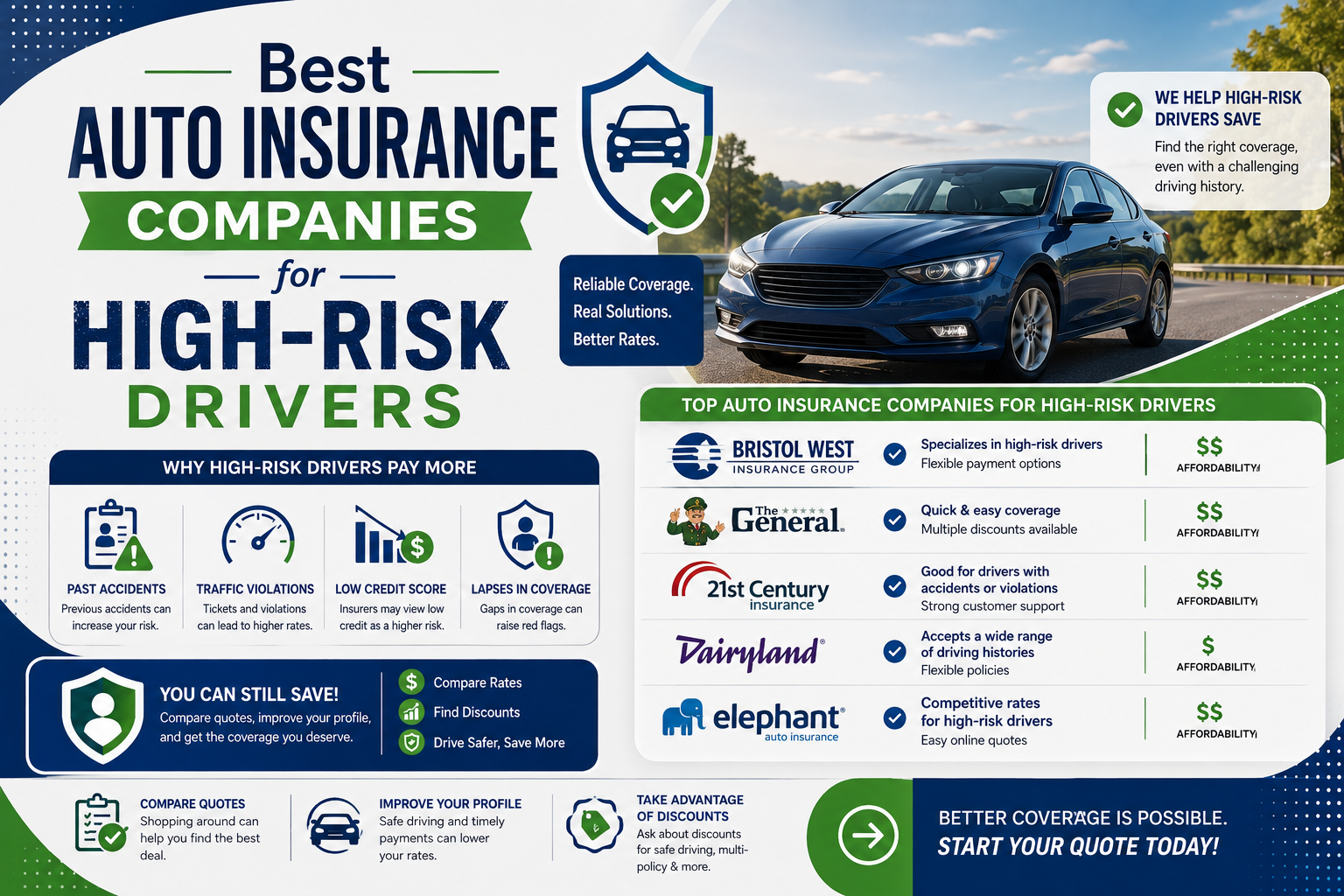
Understanding High-Risk Drivers
A high-risk driver is typically categorized as an individual who presents a greater risk to insurance companies than the average driver, resulting in higher premiums and potential challenges in obtaining coverage. Several factors contribute to this classification, prominently featuring a history of accidents and traffic violations. For instance, drivers who have been involved in multiple accidents may be deemed less cautious and therefore considered high-risk.
Another significant factor is driving under the influence (DUI) convictions, as these indicate impaired judgment and reckless behavior. Insurers view DUIs very seriously and often impose steep rates or may deny coverage altogether for individuals with such infractions on their record. Furthermore, habitual offenders, who exhibit repeated violations or infractions, further solidify their status as high-risk drivers.
In addition to past behaviors, a driver’s current driving habits also significantly influence their risk profile. Factors such as excessive speeding, frequent lane changes, and other forms of reckless driving contribute to a higher likelihood of future accidents. Insurance companies utilize these habits, along with statistical information, to assess risk more accurately.
It is crucial to note that high-risk drivers may also face limitations in the types of coverage available to them. Some companies may limit options to basic liability coverage, while others might provide full coverage but at a higher cost. Additionally, the geographical location of a driver can play a role; certain regions known for higher accident rates can contribute to a driver’s risk assessment.
In conclusion, understanding what defines a high-risk driver is essential for both the individual seeking coverage and the insurance providers assessing their risk. Factors such as previous accidents, DUIs, and driving habits significantly impact both insurance rates and the availability of coverage options.
Why Finding the Right Auto Insurance is Crucial for High-Risk Drivers
High-risk drivers, a classification that includes individuals with a history of accidents, DUIs, or other driving infractions, face unique challenges when it comes to auto insurance. It is essential for these drivers to secure the right insurance, not only to meet legal requirements but also to protect themselves financially.
One of the key aspects of high-risk driving is the legal implications associated with it. Depending on the state, drivers classified as high-risk may be subject to stricter regulations and higher penalties for traffic violations. Therefore, obtaining adequate auto insurance becomes imperative to ensure compliance with the law. Failing to have the required insurance can result in severe penalties, including hefty fines, license suspension, and even jail time. For this reason, high-risk drivers must prioritize finding a suitable insurance provider that can cater to their specific needs.
In addition to legal aspects, having the right auto insurance policy can provide essential financial protection. High-risk drivers are more likely to be involved in accidents, which can lead to significant costs if they do not have sufficient coverage. By selecting a comprehensive auto insurance policy, high-risk drivers can shield themselves from potential financial ruin resulting from accidents or liability claims. This coverage can encompass various areas, such as personal injury protection, property damage liability, and uninsured motorist coverage, thereby reducing the financial burden that comes with driving risk.
Lastly, having suitable auto insurance offers peace of mind for high-risk drivers. Knowing that they are adequately protected in the event of an accident allows these drivers to drive with confidence, reducing anxiety and stress. This psychological benefit is often overlooked but is vital for maintaining overall well-being while on the road. The right insurance not only fulfills legal responsibilities but also enables high-risk drivers to navigate their daily lives without the constant fear of unforeseen financial difficulties.
Criteria for Evaluating Auto Insurance Companies
When high-risk drivers seek to secure auto insurance, several key factors need careful evaluation to ensure they select the most suitable provider for their unique circumstances. One of the foremost considerations is the level of customer service offered by the insurance company. High-risk drivers may encounter more complex situations regarding their policies, making responsive and helpful customer support essential. It is beneficial to research reviews and ratings of potential providers to gauge their reliability and customer satisfaction levels.
Next, the range of coverage options available is crucial. High-risk drivers must look for policies that not only meet the minimum state requirements but also offer additional protections tailored to their needs. This can include comprehensive coverage, collision coverage, and uninsured/underinsured motorist protection. The flexibility to customize coverage options can greatly influence a high-risk driver’s decision.
Financial stability is another critical factor in selecting an auto insurance provider. Insurance companies must have solid financial ratings, as this indicates their ability to pay out claims when necessary. Drivers can find financial ratings from reputable agencies, such as A.M. Best or Standard & Poor’s, to assess the strength and reliability of the insurer. A financially stable company can provide peace of mind and assurance that claims will be handled efficiently.
Lastly, policy flexibility is vital for high-risk drivers. Providers that offer a range of policy terms, payment plans, and discounts can help tailor the insurance to fit varying financial situations and driving profiles. This flexibility is particularly important for high-risk drivers who may require more specialized solutions to manage their risks effectively.
Top Auto Insurance Companies for High-Risk Drivers
High-risk drivers often face unique challenges when sourcing auto insurance. Understanding which companies cater effectively to this demographic can make securing coverage significantly easier. Below is a detailed list of some of the best auto insurance providers that specialize in offering policies to high-risk drivers.
1. Progressive – Progressive stands out as a favored choice for high-risk individuals due to its extensive range of coverage options and discounts. Their Snapshot program allows drivers to save on premiums by demonstrating safe driving habits. Furthermore, Progressive is known for its user-friendly online tools that facilitate easy comparison of policies and prices, making it an excellent option for those seeking affordability.
2. Geico – Geico is highly recognized for its competitive rates, even for high-risk drivers. With a robust selection of coverage options including liability and comprehensive coverage, they provide personalized plans to fit individual needs. Geico’s mobile application further enhances customer experience by allowing policy management and claims filing directly from smartphones.
3. State Farm – State Farm takes pride in its high customer satisfaction ratings and stellar service for high-risk drivers. This insurer offers a variety of discounts and educational resources to help improve driving habits, which can lead to lower premiums over time. State Farm’s Network of agents provides personalized advice, helping clients to understand their options better.
4. Allstate – Allstate is another insurer well-regarded for accommodating high-risk drivers. They provide comprehensive coverage options alongside features like accident forgiveness and diminishing deductibles. These offerings can be particularly beneficial for drivers looking to mitigate the financial risks associated with potential accidents.
While comparing these options, it is crucial for drivers to assess not only the premiums but also the coverage limits and exclusions that may apply. Every insurer has strengths and potential limitations; therefore, conducting thorough research is essential to finding the most suitable auto insurance policy for high-risk drivers.
Comparing Premiums: What to Expect
High-risk drivers often find themselves facing significantly higher auto insurance premiums compared to their low-risk counterparts. This disparity arises due to a variety of factors, including driving history, traffic violations, accidents, and even credit scores. Understanding what to expect from different insurance providers can help high-risk drivers navigate their options more effectively.
The average premiums for high-risk drivers can vary substantially from one insurance company to another. For example, some providers may charge upwards of 20-30% more for drivers with a history of accidents or multiple traffic violations. Conversely, there are insurers that specialize in high-risk coverage, offering competitive rates that may not be significantly higher than standard premiums. These providers tailor their policies to meet the unique needs of high-risk individuals, potentially alleviating the financial burden associated with obtaining car insurance.
When comparing premiums, it is essential for high-risk drivers to consider various factors beyond just price. Coverage options, limits, and deductibles can influence overall costs. Some companies may offer lower initial premiums, but their policies might come with higher deductibles or less comprehensive coverage. Additionally, certain insurers provide discounts for specific demographics or safe-driving programs that can mitigate premium costs over time.
Moreover, high-risk drivers should also be aware that state regulations can impact how premiums are assessed by different companies. For example, some states mandate minimum coverage levels, while others allow for greater flexibility in pricing. It is advisable for drivers in high-risk categories to obtain quotes from multiple providers—this will furnish them with a realistic perspective on how their risk level influences insurance costs.
In summary, while high-risk drivers can expect to pay higher premiums, the extent of these costs can vary widely based on the insurance provider. By conducting thorough research and comparing rates, high-risk individuals can find an insurance plan that not only meets their financial requirements but also provides adequate coverage to ensure their peace of mind on the road.
How to Lower Your Insurance Premiums as a High-Risk Driver
High-risk drivers often face higher insurance premiums due to their driving history, which may include accidents, traffic violations, or other concerns perceived by insurers. However, there are several strategies that these drivers can employ to potentially lower their insurance costs. By being proactive and aware of available options, high-risk drivers can find ways to make their insurance more affordable.
One of the most effective methods to lower insurance premiums is to complete a safe driving course. Many insurance providers offer discounts to drivers who successfully complete such safety programs, as these courses are designed to improve driving skills and reduce the likelihood of future accidents. It is worthwhile for high-risk drivers to inquire about approved courses and potential discounts that may be available after completion.
Another strategy to consider is policy bundling. High-risk drivers can often save money by combining their auto insurance with other types of insurance, such as homeowners or renters insurance. Many insurance companies provide significant discounts for customers who choose to bundle multiple policies. For high-risk drivers, this can translate into notable savings on their overall insurance expenses.
Shopping around for insurance quotes is also a critical step. High-risk drivers should compare rates from multiple providers to ensure they are getting the best deal possible. Different insurers have varying criteria for assessing risk and, as a result, may offer different premiums. Taking the time to obtain and compare multiple quotes can help identify more affordable options.
Lastly, maintaining a clean driving record going forward is essential. High-risk drivers should focus on adhering to traffic laws and avoiding violations. Insurers frequently review customers’ driving records periodically, and a history of safe driving can lead to more favorable rates over time. Overall, by taking these proactive steps, high-risk drivers can work toward reducing their insurance premiums efficiently.
The Role of State Regulations in Auto Insurance for High-Risk Drivers
The landscape of auto insurance is significantly shaped by the laws and regulations imposed at the state level. For high-risk drivers, these regulations not only determine the availability of insurance options but also have a notable impact on premium costs. Each state operates under its own set of rules governing auto insurance, which can lead to substantial discrepancies in coverage and pricing for high-risk individuals.
One of the primary factors influenced by state regulations is the classification of high-risk drivers. States utilize various criteria to assess risk, including driving history, accident records, and even credit scores. As a result, a driver categorized as high-risk in one state may not necessarily be deemed the same in another. This inconsistency can lead to divergent insurance rates and availability. For example, states that employ strict criteria might have fewer options for high-risk drivers, while others may develop programs specifically tailored to meet their needs.
Additionally, many states have adopted special programs or guaranteed issue policies to provide high-risk drivers with access to insurance. These programs often mandate that insurers offer coverage, thereby reducing the likelihood of uninsured drivers on the roads. However, the existence of such programs varies widely across states, reflecting differing policy approaches and risk management strategies. In states where such options are limited, high-risk drivers may face significantly higher premiums or even denial of coverage.
Moreover, state regulations influence additional factors such as minimum coverage requirements and liability limits, further shaping the market for high-risk drivers. Understanding these local laws is crucial for individuals seeking insurance, as it highlights the importance of state-specific research when navigating the complexities of auto insurance. In summary, state regulations play a pivotal role in determining the insurance environment for high-risk drivers, contributing to differences in options and costs across the country.
Common Myths About High-Risk Driver Insurance
Many individuals harbor misconceptions about auto insurance, particularly when it comes to high-risk drivers. Addressing these myths with factual information can help potential drivers understand their options and avoid unnecessary anxiety about obtaining coverage.
One prevalent myth is that high-risk drivers cannot obtain auto insurance at all. While it is true that insurance companies may be hesitant to cover these individuals, most providers offer specialized policies tailored for high-risk situations. Therefore, drivers should not feel discouraged from seeking coverage, as options are available to them.
Another common belief is that high-risk drivers will always face exorbitant premiums compared to standard drivers. While it is likely that rates will be higher due to the perceived risk, not all insurance providers charge the same rates. By shopping around, high-risk drivers can find competitive rates that meet their budgetary constraints. Each company evaluates risk differently, and factors such as driving history, location, and even vehicle type can influence the final quote.
Furthermore, some individuals assume that once they are labeled as high-risk, they will remain so indefinitely. This is not the case. Insurance companies will periodically review a driver’s history and adjust their risk status based on changes in behavior or infraction rates. For example, maintaining a clean driving record over a specified period can significantly enhance one’s standing, potentially leading to better rates in the future.
Lastly, many believe that high-risk drivers are always assigned to the same type of insurance policy or coverage options. In reality, different providers may offer varying levels of coverage, including liability, collision, and comprehensive options. As a result, high-risk drivers should take the time to explore and compare their choices to ensure adequate protection suited to their needs.
By clarifying these misconceptions about auto insurance for high-risk drivers, individuals can make well-informed decisions about their coverage and seek the best possible solutions available to them.
Conclusion: Making Informed Decisions for Auto Insurance
Choosing the right auto insurance provider can be a daunting task, especially for high-risk drivers. Throughout this article, we have explored various factors that should be considered when selecting auto insurance. The significance of conducting thorough research and evaluating multiple insurance providers cannot be overstated. Understanding the specific needs and circumstances of a high-risk driver is essential in making a well-informed choice.
Each insurance provider has its unique policies, rates, and coverage options, which may vary significantly. As such, it is crucial for drivers to compare quotes and examine the terms of policies carefully. High-risk drivers may face higher premiums, but by identifying providers that specialize in high-risk insurance, they can find more suitable options that meet their needs. Moreover, it is important to read reviews and gather feedback from other customers, as this can provide insights into the provider’s customer service and claims handling process.
Additionally, understanding how factors such as driving history, credit score, and the type of vehicle influence auto insurance rates can greatly aid in negotiations with potential providers. Being aware of available discounts tailored for high-risk individuals may also lessen financial burdens. Ultimately, ensuring that the chosen insurance policy offers adequate coverage while remaining affordable requires diligent consideration.
In conclusion, the selection process for auto insurance should be approached with care, particularly for high-risk drivers. By prioritizing comprehensive research and understanding provider offerings, drivers can secure the insurance coverage that best fits their requirements, ultimately leading to greater peace of mind on the road.