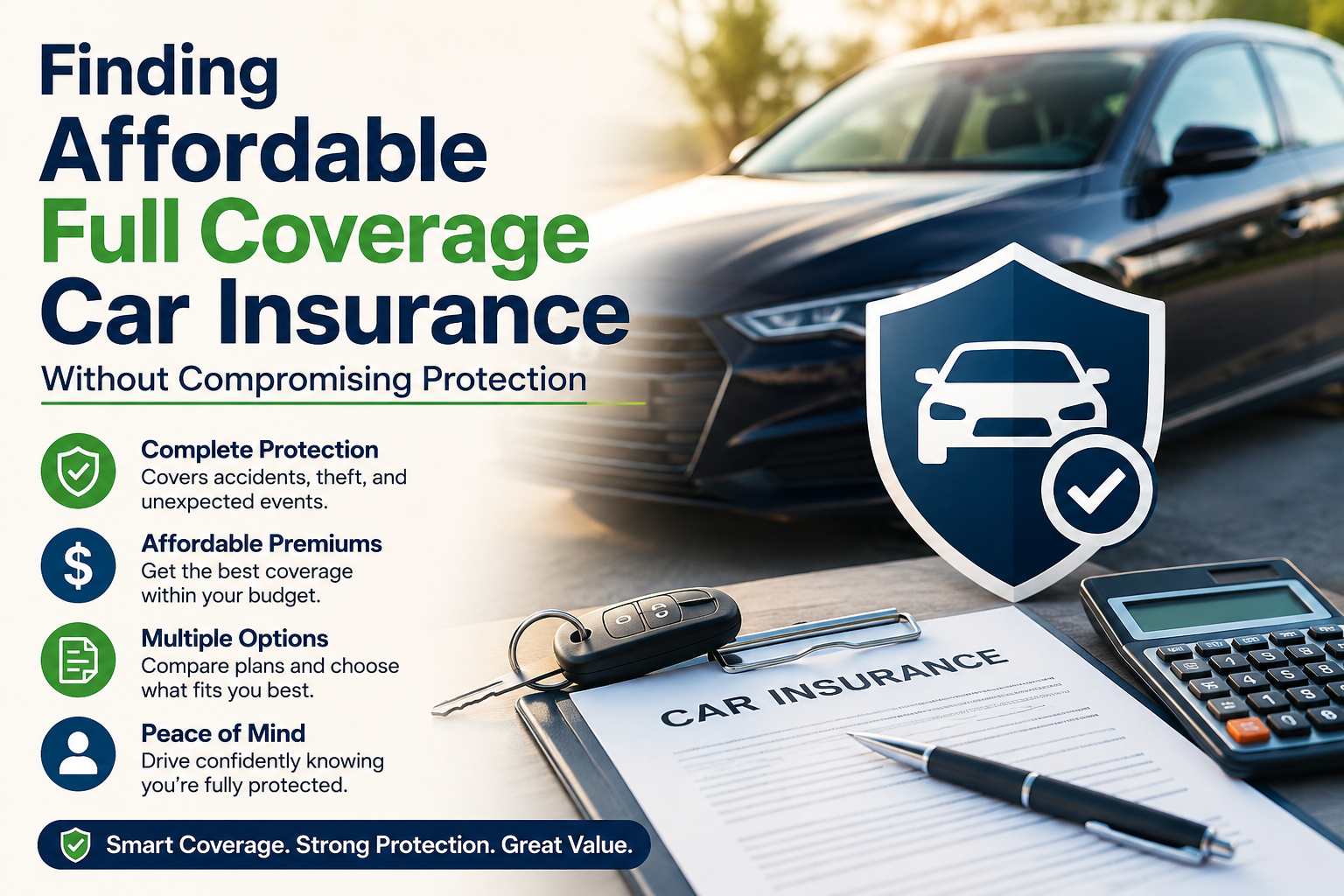
Understanding Full Coverage Car Insurance
Full coverage car insurance is a term commonly used to describe a combination of insurance coverages that provide comprehensive financial protection for drivers. While the specifics can vary by state and provider, full coverage typically includes a broad range of protections. The primary components are liability, collision, and comprehensive coverage.
Liability coverage is a legal requirement in most states, covering the costs for injuries and damages you cause to others in accidents where you are found at fault. This ensures that victims can recover necessary expenses, including medical bills and vehicle repairs, thus protecting you from out-of-pocket costs and potential lawsuits.
Collision coverage, on the other hand, helps pay for repairs to your own vehicle after an accident, regardless of who is at fault. This type of coverage is particularly important for those who own newer or more valuable cars, as it can mitigate significant financial losses in the event of a collision.
Comprehensive coverage is designed to protect your vehicle against non-collision-related incidents, such as theft, vandalism, and natural disasters. This ensures that your investment is safeguarded against various risks that are beyond your control, providing peace of mind for drivers.
Having full coverage car insurance is crucial, particularly for individuals with higher-value vehicles or those living in areas with high rates of accidents and theft. It not only fulfills legal requirements but also offers a financial safety net in unpredictable circumstances. There may be instances, such as when financing a vehicle or leasing, where lenders require full coverage to protect their interests in the asset.
In summary, understanding full coverage car insurance is essential for all drivers. It encompasses liability, collision, and comprehensive coverages, which together foster a robust safety net, assisting drivers in managing risks associated with car ownership while complying with legalities necessary for operating a vehicle on public roads.
The Importance of Shopping Around for Insurance
When searching for affordable full coverage car insurance, one of the most critical steps is to compare various insurance providers. This process not only helps in identifying the most cost-effective options but also ensures that the protection offered meets individual needs. By obtaining multiple quotes, consumers can gain insight into the pricing structures and coverage offerings from different insurers.
The benefits of acquiring several quotes cannot be overstated. Each insurance company has its methodology for assessing risk, which can lead to significant differences in premium rates for similar coverage. By engaging in this comparison, individuals can uncover savings that may not be apparent when looking at a single provider. Moreover, these comparisons allow consumers to explore different types of coverage available, ensuring that they are not paying for coverage they do not require or missing out on essential protections.
When evaluating car insurance options, it is vital to consider several key factors. These include not only the overall cost of the premiums but also the deductibles, limits on liability coverage, and additional features that may be beneficial, such as roadside assistance or accident forgiveness. Understanding the nuances of each policy helps consumers make informed decisions. Furthermore, differences in claims processes and customer service ratings should also influence the choice of insurance provider. Ultimately, a thorough examination of the offerings and a diligent comparison of quotes can lead to discovering the best car insurance suited to both budgetary constraints and protection needs.
Factors Affecting Car Insurance Rates
Car insurance rates are determined by a multitude of factors, each contributing to the overall risk assessment by insurance companies. Understanding these elements is essential for consumers seeking affordable coverage without sacrificing the quality of their protection.
One of the primary factors influencing car insurance rates is an individual’s driving history. Drivers with a clean record, free from accidents and violations, generally benefit from lower premiums. Conversely, a history of accidents or traffic violations signifies a higher risk, consequently leading to increased rates. Insurers meticulously review driving records, often making this aspect a critical component of their evaluation.
Age also plays a significant role in determining insurance costs. Younger drivers, particularly those under 25, tend to face higher rates due to perceived inexperience on the road. This demographic is statistically more likely to be involved in accidents; thus, insurers assess this increased risk accordingly. On the other hand, older, more experienced drivers often qualify for lower rates as they typically exhibit safer driving habits.
Location is another pivotal factor affecting car insurance rates. Urban areas, with their higher population density and increased likelihood of accidents, often yield higher premiums compared to rural regions, where the risk is comparatively lower. Additionally, varying state regulations and market competition can lead to significant disparities in rates based on geographic location.
Lastly, the type of vehicle plays a substantial role in rate determination. Luxury and high-performance vehicles usually incur higher insurance costs due to their replacement parts and repair expenses. In contrast, sedans and family-oriented cars often come with more affordable premiums, primarily because they are considered safer and less likely to be involved in significant accidents.
By understanding these factors, consumers can strategically navigate their policies, making informed decisions that potentially lead to lower premiums while maintaining necessary coverage levels.
Tips for Finding Cheap Car Insurance
Finding affordable car insurance requires an understanding of various factors that can significantly influence your insurance premiums. By adopting strategic approaches, you can secure coverage that meets your needs while keeping expenses in check.
One effective method to lower your premium is to consider increasing your deductibles. A deductible is the amount you agree to pay out of pocket before your insurance kicks in. Generally, opting for a higher deductible reduces the overall premium costs. However, it is essential to ensure that you choose a deductible amount that you can comfortably afford in the event of a claim.
Another financially beneficial approach is to bundle your policies. Many insurance providers offer discounts to customers who have multiple policies, such as car and home insurance. By consolidating your insurance needs under one provider, you can often take advantage of cost savings that may otherwise be unavailable if the policies are with different companies.
Additionally, exploring discounts is critical in the quest for affordable car insurance. Various discounts may be available depending on your circumstances: for instance, safe driving records often come with perks, as many insurers reward customers who maintain a clean driving record. Furthermore, being a student can also provide opportunities for discounts, as many companies offer lower rates to younger drivers who excel academically.
Another practical tip is to look into discounts for specific safety features in your vehicle. Modern cars often come equipped with advanced safety and anti-theft systems that can qualify you for a reduced premium. Be sure to inform your insurance provider about any such features that your vehicle possesses, as they may contribute to a lower risk rating.
By incorporating these strategies, it becomes easier to navigate the marketplace for affordable car insurance without sacrificing necessary protection. Careful evaluation of your insurance options can lead to significant savings, ensuring you are both well-covered and financially secure.
Evaluating Insurance Policy Adjustments
When seeking affordable full coverage car insurance, one of the most effective strategies involves evaluating and adjusting coverage limits and deductibles. These adjustments can significantly impact both the overall premium and the level of protection provided by the policy.
Coverage limits refer to the maximum amount an insurer will pay for a covered claim. It is essential for policyholders to assess their personal financial situation, driving habits, and the value of their vehicle when determining appropriate limits. For instance, someone who drives long distances or owns a high-value car may require higher coverage limits to safeguard against potential losses. Conversely, those with lower-value vehicles or who primarily use their car for short trips may opt for lower limits to reduce their premiums.
Deductibles, on the other hand, are the out-of-pocket expenses that policyholders must pay before their insurance coverage kicks in. Choosing a higher deductible can lower monthly premiums, making coverage more affordable. However, it is crucial to ensure that the deductible amount is manageable in the case of an accident or damage. Evaluating personal finances and considering the likelihood of making a claim can guide this decision.
Furthermore, it is advisable for policyholders to periodically review their insurance policies as personal circumstances change. Life events, such as moving to a new city or purchasing a new vehicle, could warrant adjustments to coverage limits or deductibles to ensure that the policy remains appropriate in terms of both affordability and protection.
In essence, finding the right balance between coverage limits and deductibles is key to obtaining affordable full coverage car insurance without compromising essential protection. By carefully evaluating individual needs and circumstances, policyholders can make informed choices that align with their financial goals and risk tolerance.
The Role of Credit Scoring in Car Insurance Costs
When it comes to determining car insurance premiums, one of the significant factors that insurers consider is the credit score of the policyholder. Many individuals may not realize that their credit score can directly impact the cost of their car insurance. Insurance companies often use credit scores as a predictive tool to assess the likelihood of a driver filing a claim. Statistics suggest a correlation between drivers with lower credit scores and a higher incidence of insurance claims, which can lead to increased costs for those with poor credit histories.
Credit scores range from 300 to 850, with higher scores indicating a better creditworthiness. Insurance providers typically categorize drivers with prime credit scores (700 and above) as more responsible, thereby offering them lower premiums. Conversely, those with below-average credit scores may face substantially higher rates. The rationale behind this practice is rooted in the idea that individuals who manage their finances responsibly will take better care of their vehicles and drive more safely.
Improving one’s credit score can be an effective strategy for reducing car insurance costs. Individuals looking to enhance their credit ratings can take several steps. First, consistently paying bills on time can significantly boost a credit score. Second, reducing outstanding debt and keeping credit card balances low also contributes positively to credit health. Additionally, checking credit reports for errors and disputing inaccuracies can prevent unnecessary damage to one’s credit score.
While the connection between credit scores and car insurance rates may be a source of contention, understanding the factors involved can empower individuals to make informed decisions regarding their insurance. By focusing on credit improvement strategies, individuals not only stand to benefit their financial health but may also secure more favorable insurance premiums.
Utilizing Online Insurance Comparison Tools
In the digital age, comparing car insurance rates has become more straightforward, thanks to various online tools and resources designed for consumer convenience. These platforms allow potential policyholders to evaluate different insurance providers and their offerings effectively. By taking advantage of these online comparison tools, users can find affordable full coverage car insurance without compromising on critical protection features.
To utilize these tools efficiently, individuals should first gather essential information to input during the comparison process. This typically includes the driver’s personal details, vehicle information, driving history, and any prior insurance coverage. Most comparison sites will require data such as the make and model of the car, the year of manufacture, and potentially even the vehicle identification number to provide accurate quotes.
Many websites allow consumers to create a profile, enabling them to save their information and preferences for future comparisons. Additionally, advanced tools may offer features such as filtering options, where users can specify their desired levels of coverage, deductible preferences, and budget constraints. Utilizing these features effectively can help streamline the process and yield better, more tailored insurance options.
It is also vital for users to read reviews and ratings attached to each car insurance provider listed on these comparison sites. These insights can provide a clearer picture of the customer service quality, claims process, and overall satisfaction ratings. By evaluating these factors alongside the prices, individuals can make a more informed decision about which provider meets their needs for affordable and comprehensive coverage.
In conclusion, embracing online insurance comparison tools is essential for consumers aiming to secure favorable rates and comprehensive coverage. By inputting the correct information and utilizing the provided filtering options, drivers can navigate the often complex landscape of car insurance with greater ease and confidence.
Consulting with an Insurance Agent
Engaging with a professional insurance agent can significantly enhance the process of securing affordable full coverage car insurance. Insurance agents possess a wealth of knowledge about various insurance products and can offer personalized advice tailored to the unique needs of each client. Their expertise allows them to navigate the complexities of different policies, ensuring that clients make informed decisions.
An insurance agent takes the time to assess an individual’s specific requirements. Factors such as driving habits, vehicle type, and budget constraints all play a crucial role in determining the best insurance coverage. By understanding these elements, agents can recommend suitable insurance options that offer robust protection without exceeding financial limits. This personalized approach can lead to discovering discounts or coverage bundles that an individual might overlook when trying to research independently.
Moreover, the presence of an insurance agent can greatly simplify the process of comparing different policies. Navigating through numerous options can be overwhelming, but agents streamline this by presenting tailored recommendations that fit the client’s profile. They can also clarify the nuances of each policy, explaining coverage specifics, deductibles, and potential exclusions, which can be particularly daunting for individuals unfamiliar with the insurance landscape.
In addition, establishing a relationship with an insurance agent can be advantageous for addressing future needs. As circumstances change, such as buying a new vehicle or changing employment, agents can proactively adjust coverage to ensure consistent protection. This ongoing support fosters a peace of mind that is often hard to achieve when dealing with insurance matters independently. Therefore, consulting with a skilled insurance agent is a prudent step toward finding comprehensive and affordable car insurance that meets one’s specific needs.
Final Considerations: Making an Informed Decision
When it comes to selecting car insurance, particularly full coverage options, making an informed decision is paramount. This decision not only impacts your financial security but also affects your overall peace of mind. The process begins with a thorough review of available coverage details. Understanding what each type of coverage includes—such as liability, collision, and comprehensive—is crucial, as it directly influences the protection you receive in various situations.
Moreover, it is vital to ensure that the car insurance policy selected comfortably fits within your budget. While it may be tempting to opt for the lowest premium, it is essential to weigh the costs against the level of protection offered. Cheaper policies may leave you with significant out-of-pocket expenses in the event of an accident or damage, thus negating the purpose of having full coverage. A balance between affordability and adequate coverage must be struck.
In addition to evaluating coverage and cost, understanding the terms and conditions of the policy is equally important. This includes identifying any exclusions, deductibles, and limits imposed by the insurer. Many policyholders overlook these critical aspects and, as a result, may find themselves underinsured when they need coverage the most. Taking the time to read and comprehend the fine print can prevent potential pitfalls and ensure you are fully informed.
In conclusion, selecting the right full coverage car insurance requires careful consideration of coverage details, financial implications, and contractual terms. By taking these factors into account, you can make a more informed choice, ensuring comprehensive protection while maintaining your budgetary constraints. This thoughtful approach results in a balanced and effective insurance strategy that safeguards both your vehicle and your financial well-being.