Understanding Car Insurance Basics
Car insurance is a financial product designed to provide protection against financial loss in the event of an accident, theft, or other mishaps involving a vehicle. It plays a critical role in ensuring that vehicle owners are financially safeguarded against liabilities that can arise from accidents or damages. Understanding the fundamental concepts associated with car insurance is essential for making informed decisions.
The primary purpose of having car insurance is to mitigate the financial risk associated with operating a vehicle. Depending on the state, car insurance may also be a legal requirement. Most states in the U.S. mandate a minimum level of coverage to ensure drivers can cover damages to others in case of an accident. However, the specific requirements, such as the types and amounts of coverage, differ from one state to another.
Key terms related to car insurance include premiums, deductibles, and coverage limits. The premium is the amount paid for the insurance policy, typically on a monthly or annual basis. This amount can vary significantly based on various factors, such as the driver’s history, the type of vehicle, and the chosen coverage options. The deductible, on the other hand, is the amount the policyholder must pay out-of-pocket before the insurance company covers the remaining expenses. Higher deductibles generally lead to lower premiums, while lower deductibles increase the premium costs.
Coverage limits define the maximum amount an insurance company will pay for claims. Understanding these limits is crucial, as insufficient coverage can lead to significant financial burdens after an accident. Types of coverage include liability coverage, which addresses damages to others, and comprehensive and collision coverage, which cover damage to the insured vehicle. Being well-versed in these foundational elements allows individuals to critically assess their insurance needs and choose the right policy for their circumstances.
What is Liability Car Insurance?
Liability car insurance is a fundamental type of coverage that provides financial protection to drivers in the event they are responsible for an accident resulting in injury or damage to others. This insurance is mandatory in most jurisdictions, thereby ensuring that vehicle owners contribute to the costs associated with accidents they cause. Liability coverage is designed to shield the policyholder from the financial repercussions linked to damages caused to third parties.
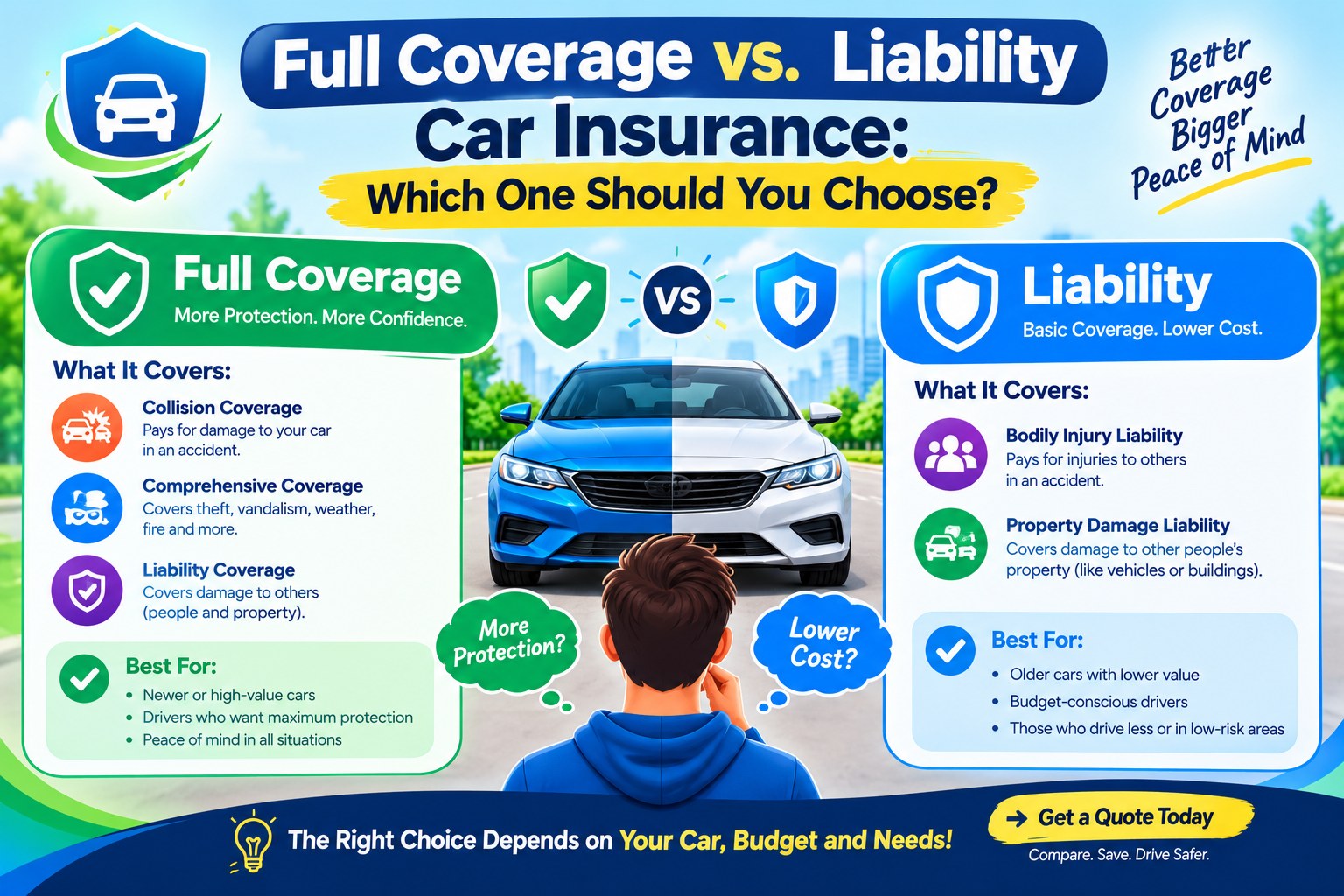
Liability car insurance typically encompasses two primary components: bodily injury liability and property damage liability. Bodily injury liability covers medical expenses, lost wages, and other related costs incurred by individuals injured in an accident where the insured is at fault. This can often include costs associated with both immediate medical treatment and ongoing care, thus ensuring the injured party receives the necessary support following an accident.
Property damage liability, on the other hand, covers the costs associated with damages to someone else’s property, such as their vehicle, fence, or any other structure involved in the accident. This type of coverage plays a critical role in safeguarding assets and providing peace of mind to both the driver and other parties affected by an accident.
While liability car insurance is essential for legal compliance and can provide sufficient coverage in many instances, it does come with limitations. Notably, it does not cover the policyholder’s own injuries or damages to their vehicle, which means that if an accident occurs and no other party is involved, the driver will bear all associated costs. Additionally, liability limits can vary based on the policy chosen and must be carefully considered to ensure adequate protection. Weighing the benefits and limitations of liability car insurance is crucial in making an informed decision about coverage options and financial risk management.
What is Full Coverage Car Insurance?
Full coverage car insurance is a term commonly used to refer to a combination of various types of insurance policies that together provide a comprehensive level of protection for a vehicle and its owner. Unlike basic liability insurance, which only covers damages to others in the event of an accident, full coverage typically includes three main components: liability coverage, collision coverage, and comprehensive coverage.
Liability coverage is the foundation of any car insurance policy, and it is required in most states. This type of insurance helps pay for injuries and damages that the policyholder may cause to other drivers or their property in an at-fault accident. It does not cover personal injuries or vehicle damage for the insured, making it essential for drivers to consider additional layers of protection.
Collision coverage is another critical component of full coverage insurance. This section of the policy covers the cost of repairing or replacing the insured vehicle after an accident, regardless of who is at fault. This means that if a driver collides with another vehicle or a stationary object, their collision coverage will help mitigate the financial burden of repairs, ensuring that the vehicle is restored to its pre-accident condition.
Finally, comprehensive coverage provides protection against damages to the insured vehicle that occur due to non-collision events. This includes incidents such as theft, vandalism, natural disasters, or contact with animals. By encompassing these risks, comprehensive coverage helps car owners safeguard their investments against unforeseen occurrences.
In summary, full coverage car insurance is designed to offer a robust safety net for drivers by incorporating liability, collision, and comprehensive coverage into a single policy. Each component plays a crucial role in protecting the driver from various risks, ensuring peace of mind on the road.
Cost Comparison: Liability vs. Full Coverage
When evaluating car insurance options, understanding the financial implications associated with liability and full coverage is essential. Liability insurance, which primarily covers the costs of damage to others in the event of an accident where you are at fault, typically comes at a lower premium compared to full coverage. Full coverage includes liability insurance but adds collision and comprehensive coverage, significantly increasing the monthly cost.
One of the main factors influencing insurance premiums is the driver’s age. Younger drivers often face higher rates due to their inexperience on the road. This demographic shift also impacts the overall cost of premiums for both liability and full coverage insurance. Older drivers with a longstanding clean driving history usually benefit from lower premiums.
Another critical factor is the driving history of the individual. Drivers with a history of accidents or traffic violations are often viewed as higher risk by insurance companies, leading to increased premiums in both liability and full coverage categories. Conversely, those with safe driving records are likely to receive discounts, making liability insurance an economical choice when compared to full coverage.
The type of vehicle insured also plays a significant role in premium calculations. Higher value cars or those deemed more prone to theft can lead to increased costs for full coverage policies. In contrast, liability insurance is generally more affordable across various vehicle types, as it covers less risk for the insurer.
Geographic location is another crucial element affecting car insurance costs. Different regions may have varying accident rates, theft rates, and repair costs, all of which influence premium pricing. Thus, while evaluating the cost between liability and full coverage, one must consider regional differences, which may affect overall affordability.
Assessing Your Personal Risk Tolerance
When considering the right level of car insurance, assessing your personal risk tolerance is paramount. This involves an understanding of several key factors, including your driving habits, the age and value of your vehicle, as well as your overall financial stability.
Your driving habits significantly influence your risk profile. For instance, if you frequently travel long distances or often drive in heavy traffic, your exposure to potential accidents may be higher. This heightened risk could necessitate a more comprehensive insurance policy, such as full coverage, which would protect you in various scenarios. Conversely, if your driving is limited to short trips within your neighborhood, a liability policy might suffice, covering you for third-party damages while minimizing your insurance costs.
The age and value of your vehicle are also crucial considerations. Newer vehicles tend to have a higher value and, consequently, may warrant full coverage insurance to protect against the financial loss of both theft and damages. On the other hand, if you own an older vehicle with a depreciated value, it might be more financially prudent to opt for liability insurance rather than investing in a fuller coverage plan. This choice preserves resources while still meeting legal requirements for driving.
Furthermore, your financial stability plays a vital role in determining your risk tolerance. If you have sufficient savings to cover potential damages or medical expenses resulting from an accident, you may feel comfortable with a basic liability policy. However, if any unexpected financial burden could significantly impact your livelihood, a more protective insurance strategy might provide peace of mind and better financial security.
Ultimately, evaluating your risk tolerance requires a careful analysis of these variables. By analyzing your driving patterns, the value of your vehicle, and your financial situation, you can make informed decisions regarding the appropriate level of car insurance for your needs.
Local Laws and Regulations
Understanding the legal framework surrounding car insurance is crucial for drivers when deciding between full coverage and liability car insurance. Different states in the U.S. have distinct legal requirements that dictate minimum coverage levels for drivers. These regulations are designed to protect not only the policyholders but also other road users in case of accidents.
Liability insurance, which is the most basic form of car insurance, is mandated in nearly every state. It covers damages that the policyholder causes to another person’s property or bodily injury during an accident. Each state sets its own minimum limits, which can fluctuate significantly. For instance, while some states may require as little as $15,000 in bodily injury liability, others may have higher benchmarks, necessitating greater financial responsibility from drivers.
Additionally, many states impose strict penalties for drivers who fail to maintain the legally required minimum liability coverage. Such penalties can range from fines to the suspension of driving privileges. In serious cases, repeat offenders may face higher insurance premiums or legal consequences. Therefore, it is imperative for drivers to familiarize themselves with their state’s regulations to ensure compliance and avoid such penalties.
Moreover, some states also allow motorists to opt for full coverage insurance, which includes comprehensive and collision coverage, in addition to liability. While this type of insurance is not legally required, it is often recommended for vehicle owners, especially those with newer or more valuable cars. Full coverage can safeguard against a broad spectrum of risks, such as theft or damage to one’s own vehicle. Drivers should weigh the costs and benefits of full coverage against state-imposed liabilities, taking into account their individual circumstances and risk tolerance.
In navigating this complex landscape of car insurance regulations, consulting with a licensed insurance agent can also provide valuable insights tailored to specific situations, ensuring that drivers make informed choices while adhering to local laws.
Implications of Choosing Liability Insurance
Choosing liability insurance exclusively can leave drivers inadequately protected in various scenarios. While liability coverage is often less expensive than full coverage, its limitations can pose significant risks. This type of insurance is designed to cover damage you cause to others and their property in an accident. However, when it comes to your own vehicle or personal injuries, liability insurance may fall short, exposing you to considerable financial burdens.
One of the primary implications of opting solely for liability coverage is the potential consequences of being involved in an accident with an uninsured motorist. In many regions, unfortunately, there are drivers on the road without insurance. If you are hit by such a driver and only have liability coverage, you may have to bear the costs of your injuries and vehicle repairs yourself, as your insurance will not cover your damages.
Moreover, if you are at fault in an accident and your vehicle sustains significant damage, the costs of repair can be substantial. If you have only liability insurance, these repair costs would have to be covered out of pocket. This financial responsibility may not only deplete savings but could also lead to borrowing or debt, which many drivers aim to avoid.
Furthermore, liability insurance does not cover theft, vandalism, or damage from natural disasters. In regions prone to such risks, this can leave individuals vulnerable to high repair or replacement costs. For drivers considering the implications of liability insurance, evaluating personal risk tolerance against financial resources available to handle unforeseen expenses is crucial.
While liability insurance may suffice for responsible drivers who prioritize savings, they must also acknowledge possible vulnerabilities. It is essential for these drivers to weigh the risks associated with accidents without adequate coverage, as the implications can lead to long-term financial dilemmas.
When Full Coverage is Worth It
Full coverage car insurance is often a topic of deliberation among vehicle owners. This type of insurance not only includes liability coverage but also encompasses collision and comprehensive coverage, providing a broader safety net for drivers. Understanding when this enhanced protection is advisable can significantly influence your financial security.
There are several scenarios in which full coverage is particularly beneficial. Firstly, new car owners typically find full coverage essential. A new vehicle represents a substantial financial investment, and this type of insurance safeguards against potential losses stemming from accidents, theft, or damage. For these individuals, the peace of mind that comes with comprehensive coverage can be invaluable.
Additionally, drivers residing in high-traffic areas should consider full coverage insurance. Such environments increase the risk of accidents, and having comprehensive protection ensures that any damages to the vehicle or liability towards others are adequately covered. Furthermore, urban areas often have higher rates of vehicle theft, making full coverage a sound choice for securing against such risks.
Moreover, individuals with significant assets to protect may find full coverage comforting. Those with considerable savings or investments may want to safeguard their assets against potential lawsuits that can arise from accidents. Full coverage not only covers vehicle repairs but also provides protection against hefty liability claims that could otherwise jeopardize personal finances.
For drivers who frequently travel, especially over long distances or through varied terrains, full coverage is also recommended. This can protect against unforeseen circumstances such as natural disasters, vandalism, or collisions with uninsured motorists. Having a robust insurance policy that encompasses these potential risks is essential for maintaining financial stability.
In conclusion, full coverage car insurance proves beneficial under specific circumstances. New car owners, those living in high-traffic environments, individuals with considerable assets, and regular travelers all stand to gain from this type of insurance. Assessing your personal situation can help you determine if full coverage is the right choice for you.
Conclusion: Making the Right Choice for Your Situation
Ultimately, selecting between full coverage and liability car insurance necessitates careful consideration of several factors that align with your personal circumstances. Full coverage offers comprehensive protection, including collision and comprehensive benefits, shielding policyholders from a range of potential financial hazards. On the other hand, liability insurance is typically more affordable and serves as a viable option for individuals looking for basic coverage that meets state requirements.
When making your decision, it is essential to evaluate your financial situation. If you possess a newer or high-value vehicle, investing in full coverage may provide peace of mind as you will be better equipped to handle any unexpected expenses resulting from accidents or damage. Conversely, if your vehicle is older and less valuable, the lower premium associated with liability coverage might better fit your budget and needs.
Furthermore, assessing your tolerance for risk is crucial. Full coverage can be ideal for risk-averse individuals who prefer to minimize their exposure to potential financial loss. In contrast, those who accept a degree of risk may find that liability insurance suffices to meet their driving requirements.
In conclusion, there is no one-size-fits-all answer when it comes to car insurance. To make the right choice for your situation, carefully analyze your driving habits, the value of your vehicle, your personal finances, and your risk tolerance. By taking the time to reflect on these aspects, you can determine which insurance option will best meet your needs and provide the protection you desire while ensuring financial security in the long run.