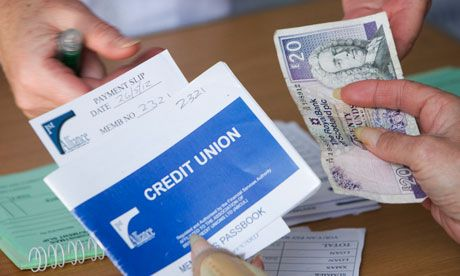
What Are Credit Union Payday Alternative Loans?
Credit Union Payday Alternative Loans (PALs) are specially designed financial products offered by credit unions to provide members with a low-cost alternative to conventional payday loans. These loans cater to individuals who might require quick access to funds for emergencies or unexpected expenses but wish to avoid the high-interest rates and predatory practices often associated with traditional payday lending. PALs are intended to be a safer borrowing option, which fosters financial well-being and encourages responsible lending practices.
The primary objective of credit union PALs is to alleviate the burden of financial distress without putting borrowers at further risk of falling into debt traps. Unlike payday loans that typically involve exorbitant interest rates and short repayment terms, PALs feature more favorable terms that include lower interest rates and extended repayment periods. This structure allows borrowers to repay the loans in a more manageable manner, reducing the likelihood of default.
To qualify for a PAL, members usually need to meet certain criteria set by the credit union, which may include a minimum membership duration and the demonstration of a reliable source of income. The typical loan amount can range from $200 to $1,000, and it generally comes with terms ranging from one to six months, depending on the lender. This is markedly different from traditional payday loans that are often secured against the next paycheck. When borrowing from a credit union, individuals gain access to more transparent and ethical lending practices, as credit unions are nonprofit institutions that prioritize the welfare of their members.
In summary, credit union payday alternative loans present a responsible solution for those seeking quick financial assistance, promoting financial health while avoiding the pitfalls associated with high-cost payday loans.
Understanding Payday Alternative Loans (PAL)
Payday Alternative Loans, commonly known as PALs, are designed to serve as a more affordable and responsible option for individuals seeking short-term financing. These loans were introduced by the National Credit Union Administration (NCUA) in 2010 in response to the growing demand for more sustainable lending solutions, particularly in the face of high-cost payday loans that often lead to a cycle of debt for borrowers.
One of the defining characteristics of PALs is that they are specifically offered by credit unions, which tend to follow a member-centric approach to lending as opposed to profit-driven motives. This model allows credit unions to offer lower interest rates and more favorable terms than traditional payday lenders. The loan amounts for PALs typically range from $200 to $1,000, with repayment terms extending up to six months. This flexibility is paramount for borrowers who may require a small sum for emergency expenses without the burden of exorbitant interest rates.
Moreover, PALs can be particularly beneficial for individuals who may struggle to access conventional lending options due to poor credit history. Unlike payday loans, which often require repayment in a lump sum on the borrower’s next payday, PALs can be repaid in smaller, manageable installments over the loan’s term. This structure aims to mitigate the risk of financial distress that frequently accompanies high-cost borrowing.
Furthermore, credit unions offering PALs are required to provide a transparent overview of the loan’s terms and conditions, including the total cost of borrowing and any applicable fees. This commitment to transparency reinforces the goal of providing consumers with the necessary information to make informed financial decisions, positioning PALs as a viable alternative amidst a landscape populated by predatory lending practices.
How Credit Union PAL Loans Work
Credit Union Payday Alternative Loans (PALs) provide a viable option for members seeking short-term financial relief without the prohibitive costs often associated with traditional payday loans. The process of obtaining a PAL loan from a credit union involves several structured steps to ensure members receive timely and fair assistance.
The application process typically begins with the borrower becoming a member of the credit union, as PALs are exclusively available to their members. Applicants must demonstrate eligibility by providing personal information, income proof, and any required identification. The specifics may vary among credit unions, but generally, the criteria include being an active member for at least a month and not having a negative account standing.
Once the application is submitted, credit unions prioritize a quick turnaround time for loan approval. In many cases, approval can occur within the same day or within 24 hours, allowing swift access to funds. If approved, the borrower is informed about the specific loan amount, associated interest rates, and the repayment timelines. Typically, PAL loans range from $200 to $1,000, with a maximum repayment term of six months.
After approval, funds are usually disbursed directly into the member’s credit union account, often the same day, which further streamlines the borrowing process. Borrowers benefit from knowing the funds are accessible without complicated waiting periods or third-party arrangements.
In terms of typical loan terms, PALs generally feature lower interest rates than conventional payday loans, often capped at 28%. Moreover, the cost of borrowing is transparent, allowing members to plan their repayment without unexpected fees. Overall, PAL loans from credit unions provide a responsible alternative for those in need of immediate financial support.
Why Credit Unions Offer Payday Alternatives
Credit unions have increasingly become a pivotal resource for individuals seeking financial assistance in the form of payday alternative loans. The primary rationale behind this trend is rooted in their commitment to member welfare. In stark contrast to traditional payday lenders who often impose exorbitant interest rates and unfavorable terms, credit unions prioritize the economic well-being of their members. Their purpose extends beyond profit-making; they operate on a not-for-profit basis, which allows them to offer more favorable loan products tailored to the needs of the community.
Moreover, credit unions place a significant emphasis on financial education. Through workshops and informational resources, they equip members with the knowledge necessary to make informed financial decisions. This educational approach not only empowers individuals but also raises awareness about the dangers associated with high-interest payday loans. By providing payday alternatives that come with lower interest rates and manageable repayment plans, credit unions aim to mitigate the financial strain often faced by borrowers trapped in the cycle of payday lending.
Additionally, the provision of payday alternative loans aligns with credit unions’ community-oriented ethos. These institutions are deeply invested in the financial health of their members and surrounding communities. By offering viable alternatives to payday loans, credit unions can help reduce instances of financial distress and promote a more stable economic environment. Furthermore, these alternatives typically come with terms that facilitate better long-term financial planning, thus reducing the risk of cycles of debt.
Thus, through their dedication to member welfare, focus on financial education, and commitment to providing accessible alternatives, credit unions are establishing themselves as an essential player in the landscape of financial services, helping consumers navigate their financial needs in a more responsible manner.
Types of Payday Alternative Loans
Credit unions offer several types of payday alternative loans (PALs) designed to provide members with short-term financing options that are often more affordable than traditional payday loans. The two main categories are PAL I loans and PAL II loans, each serving different financial needs and eligibility requirements.
PAL I Loans are typically the most basic form of payday alternative loans. They allow credit union members to borrow up to $500. These loans have a maximum repayment term of six months and can only be made available to members who have been part of the credit union for at least one month. The interest rate on PAL I loans is capped at 28%, making it a more affordable option compared to the often exorbitant rates associated with conventional payday loans.
PAL II Loans represent a slightly more flexible alternative, permitting members to borrow between $200 and $2,000. One notable distinction is that members must have been active with the credit union for at least two months to qualify. Like PAL I loans, the interest on PAL II loans is also capped at 28%, but they provide longer repayment terms, allowing borrowers to spread payments over a period of up to 12 months. This extended timeframe can significantly ease the financial burden on members.
In addition to PAL I and II loans, many credit unions also offer various small dollar loan options. These products can vary significantly in terms of features, loan amounts, and repayment terms, but they generally seek to meet immediate cash needs while providing more reasonable repayment structures compared to traditional payday loans. It is essential for borrowers to explore the specific offerings of their credit unions, as some may have unique products that cater to various financial situations.
Benefits of Credit Union Payday Alternative Loans
Credit union payday alternative loans (PALs) present a viable solution for individuals seeking quick financial assistance without incurring the excessive fees often associated with traditional payday loans. One of the primary benefits of utilizing credit union PALs is the significantly lower fees. Credit unions typically operate on a non-profit basis, allowing them to offer more favorable terms compared to for-profit payday lending institutions. This can lead to savings that are critical for borrowers facing financial uncertainty.
In addition to lower fees, credit union PALs provide more affordable interest rates. While payday loans often come with exorbitant annual percentage rates (APRs) that can exceed 400%, credit unions limit their PAL interest rates to a maximum of 28% APR. Such rates not only reduce the overall cost of borrowing but also make repayment more manageable for individuals who may already be struggling financially.
Flexibility in repayment terms is another advantage of credit union PALs. Many credit unions are willing to work with borrowers to create customized repayment plans that align with their financial situations. This consideration helps borrowers avoid the common pitfall of falling into a cycle of debt, which is prevalent in traditional payday lending practices.
Furthermore, credit union PALs can serve as a gateway to improved credit health. Consistently making on-time payments can positively impact a borrower’s credit score, which is often a significant factor in current and future financial opportunities. By choosing a credit union PAL, members not only address immediate financial needs but also take a step toward building their creditworthiness.
In summary, credit union payday alternative loans offer lower fees, more favorable interest rates, flexible repayment terms, and opportunities for credit building, establishing them as a superior option compared to traditional payday loans for many borrowers.
Credit Union PAL Loan Requirements
Credit Union Payday Alternative Loans (PAL) are offered to provide members with a financial lifeline during emergencies. To qualify for a PAL loan, applicants must navigate several key requirements set forth by the credit union. These conditions often act as a benchmark to ensure responsible lending practices.
First and foremost, membership is essential. In most cases, applicants must be members of the credit union offering the PAL loan. Membership often requires a small initial deposit, and in some credit unions, eligibility may hinge on geographical location, employer affiliation, or other specific criteria.
Another critical requirement involves the applicant’s credit score. While credit unions are known for their more lenient lending standards compared to traditional banks, a minimum credit score is typically necessary. Each credit union may have its own threshold, with many considering scores of around 600 to be acceptable for PAL loans. However, it is essential to recognize that a higher score can improve loan terms.
Income verification plays a pivotal role in the approval process. Applicants must demonstrate that they have a stable source of income, which can come from employment, Social Security, or other reliable streams. Credit unions often require documentation, such as pay stubs or tax returns, to substantiate the income claims made by potential borrowers. This requirement helps credit unions evaluate whether individuals can comfortably repay the loan without encountering excessive financial strain.
In conclusion, these credit union PAL loan requirements are designed to ensure that borrowers are positioned to repay the loans while maintaining financial stability. By understanding and meeting these criteria, members can access funds when necessary, without incurring the heavy costs typically associated with alternative payday lending options.
How Much Can You Borrow?
The amount that borrowers can obtain through Credit Union Payday Alternative Loans (PALs) typically varies depending on the policies and regulations set by individual credit unions. Generally, the limit for these loans is significantly less than traditional payday loans, as credit unions aim to promote responsible borrowing. Most credit unions establish a maximum loan amount of $200 to $1,000; however, these limits can differ substantially based on the institution and the borrower’s circumstances.
For instance, many credit unions adopting PALs adhere to guidelines specified by the National Credit Union Administration (NCUA), which has outlined a maximum loan amount of $2,000 for these types of loans. Nevertheless, it is important to note that while some credit unions may choose to offer lower maximum amounts, others may extend more flexible limits depending on the borrower’s creditworthiness and repayment capacity.
Additionally, the loan structure can impact how much a borrower can actually receive. Most PALs are designed for short-term needs, usually requiring repayment within a month. Because of this short repayment term, borrowers must ensure they are not overextending themselves financially. The amount one can borrow may also be influenced by existing account relationships with the credit union, lending history, and income sources. Regular account holders with good standing may find themselves offered higher borrowing limits due to established trust and a demonstrated ability to manage financial responsibilities.
The intent behind the loan limits set by credit unions is to safeguard borrowers from falling into a debt cycle. This adherence to responsible lending practices underscores the purpose of PALs—not only to provide immediate financial assistance but also to encourage prudent financial behavior and ensure that borrowers are not subjected to excessively high debt burdens. Ultimately, potential borrowers are encouraged to shop around and inquire with their credit unions regarding specific loan limits and terms before proceeding.
Loan Terms and Repayment Periods
Credit union payday alternative loans (PALs) provide a viable lending option for individuals seeking short-term financial relief. These loans feature various terms and repayment periods tailored to meet the diverse needs of borrowers. Typically, a credit union will offer payday alternative loans with terms ranging from one month to six months, thereby providing ample flexibility for loan repayment.
The repayment periods are crucial as they allow borrowers to manage their finances effectively. Unlike traditional payday loans, which often require full repayment by the borrower’s next payday, credit union PALs afford individuals more time to settle their debts. This extended timeframe can reduce the pressure on borrowers and lessen the likelihood of falling into a cycle of debt, which is often associated with short-term borrowing.
Moreover, credit unions pride themselves on offering competitive interest rates on their PALs. These rates tend to be significantly lower than those associated with payday loans, further improving the affordability of repayment. Borrowers can also benefit from the possibility of customizing their repayment schedules to align with their income cycles. This personalized approach not only enhances financial management but also helps in building a positive credit history.
In addition to flexible terms, credit unions often promote financial literacy programs aimed at helping borrowers understand their loan options better. Educated borrowers are more likely to choose the repayment terms that best fit their personal circumstances. Thus, it can be asserted that the flexibility of credit union payday alternative loans plays a significant role in fostering responsible borrowing practices within communities.
Interest Rates and Fees Explained
When considering borrowing options, it is crucial to understand the interest rates and fees associated with different types of loans, particularly credit union Payday Alternative Loans (PALs), traditional payday loans, and other borrowing solutions. Credit union PALs are designed specifically to offer a more affordable alternative to conventional payday loans, which often come with prohibitively high interest rates and additional fees.
The interest rates on credit union PALs are typically much lower than those of traditional payday loans. For instance, while payday loans can carry annual percentage rates (APRs) ranging from 300% to over 600%, credit union PALs are capped at an APR of 28%, significantly reducing the borrowing cost for members. This lower rate is one of the primary advantages of opting for a PAL compared to a payday loan.
In addition to lower interest rates, credit union PALs also usually have clearer fee structures. While payday loans can include various hidden fees, such as late fees and roll-over fees, credit union PALs are more transparent. They typically feature a one-time membership fee to become a part of the credit union, but subsequent borrowing does not incur additional hidden charges. Moreover, the repayment terms for PALs are often more flexible, allowing borrowers to repay their loans over a significantly longer period, thus easing the financial burden.
Furthermore, credit unions often provide financial education and resources to help borrowers manage their loans and improve their overall financial health. This guidance can be particularly beneficial when comparing multiple borrowing options. In summary, choosing a credit union Payday Alternative Loan can result in lower interest rates and fees compared to traditional payday loans, making them a compelling alternative for those in need of quick liquidity.
How to Apply for a Credit Union PAL Loan
Applying for a Credit Union Payday Alternative Loan (PAL) involves a systematic approach that allows members to secure funds effectively and responsibly. The process typically begins with locating a participating credit union; not all credit unions offer PALs, so checking eligibility is key. Once identified, potential borrowers can move forward with their application.
First, it is crucial to gather necessary documentation. Applicants should prepare personal identification such as a driver’s license, Social Security number, and proof of income. This may include recent pay stubs or tax returns, which help demonstrate the borrower’s ability to repay the loan. Additionally, providing details about any existing debts will give lenders a clearer picture of the applicant’s financial situation.
Next, applicants must complete the loan application, which can typically be done online or in-branch depending on the credit union’s service model. The application will ask for both personal and financial information, including employment status and monthly expenses. Once submitted, the credit union will assess the information provided to evaluate creditworthiness.
Credit unions follow specific criteria to evaluate applications for PAL loans. Unlike commercial lenders, credit unions may place a higher emphasis on the member’s history and relationship with the institution, rather than strictly focusing on credit scores. They consider factors such as membership duration and overall account health.
After evaluation, the credit union will notify applicants of the loan decision. If approved, the funds will typically be disbursed relatively quickly, often within one business day. It’s important for borrowers to carefully review the loan terms and repayment schedules provided by the credit union to ensure they fully understand their obligations.
Documents Needed for Application
Applying for a credit union payday alternative loan requires a set of essential documents and information to streamline the process and improve the likelihood of approval. Understanding these requirements aids potential borrowers in preparing effectively for their application.
First and foremost, applicants need to provide a valid form of identification. Typically, this can include a driver’s license, state ID, or a passport. This document is necessary to verify the applicant’s identity and ensure compliance with regulations.
Another critical document is proof of income. This can be demonstrated through recent pay stubs, bank statements, or tax returns. Credit unions require this information to assess the applicant’s financial situation and ability to repay the borrowed amount. Consistent income over the past few months or years can be a significant factor in the evaluation process.
Additionally, applicants should prepare a list of their current expenses, such as rent, utilities, and loan payments. This budgeting outline helps credit unions understand the applicant’s overall financial responsibility and aids in determining the loan amount that can be safely provided.
Furthermore, credit unions may request details regarding employment. Information such as the employer’s name, contact details, and duration of employment can be necessary. This data helps establish the stability of the applicant’s job and contributes to the overall assessment of their eligibility for the payday alternative loan.
Finally, some credit unions may require a completed application form, which includes personal information such as social security numbers or contact details. A well-prepared application with all necessary documentation can expedite the review process and increase the chances of receiving a favorable outcome.
How Fast Can You Receive Funds?
When considering a payday alternative loan (PAL) through a credit union, one of the primary concerns for borrowers is the speed at which funds can be accessed. Generally, credit unions strive to process applications for PALs efficiently, offering a more reliable and quicker solution compared to traditional payday lenders. Typically, funds from a PAL can be disbursed within one to three business days, depending on the specific credit union’s policies and the applicant’s circumstances.
In most cases, once an application is submitted, credit unions will review and approve the loan request in a timely manner, often performing credit checks and verifying income within the same day. However, the entire process can be influenced by various factors, such as the completeness of the application, the borrower’s credit history, and the specific operational protocols of the credit union. Unlike payday lenders, who may offer instant approval but can have lengthy and complicated fund disbursement processes, credit unions focus on creating a more ethical lending experience. This leads to a more dependable timeline for obtaining funds.
Furthermore, unlike traditional payday loans which may provide immediate cash but come with various hidden costs and fees, PALs are structured to mitigate such risks. This means that while the speed is certainly a consideration, the emphasis on a transparent borrowing experience adds to the reliability of the service. Consequently, borrowers can expect to receive funds in a reasonable timeframe while also benefiting from fairer lending practices. In comparison, the turnaround time for payday loans can often be visible within hours, albeit accompanied by higher fees that could further strain finances.
Credit Union PAL Loans vs Payday Loans
When examining the differences between credit union Payday Alternative Loans (PALs) and traditional payday loans, it is essential to consider various factors such as costs, repayment options, and their overall impact on financial health. Credit union PALs are designed as a more affordable solution for members facing short-term financial challenges. Typically, these loans have lower interest rates compared to payday loans, which are infamous for their exorbitant fees and high annual percentage rates (APRs).
For instance, credit union PALs can feature interest rates capped at 28%, making them a more manageable option for borrowers. In contrast, payday loans can have APRs that exceed 400%, thus significantly increasing the borrower’s financial burden. As a result, relying on payday loans can lead individuals into a cycle of debt, where one loan is taken out to pay off another, creating escalating financial stress.
Repayment terms are another crucial aspect differentiating these two types of loans. Credit union PALs typically offer more extended repayment periods, allowing borrowers to repay the loan in manageable installments over several months. This approach aids in preventing the borrower from defaulting on their obligations due to high repayment volumes. Conversely, payday loans usually require repayment in full by the borrower’s next payday, which may not always align with their financial capability.
Moreover, the impact on an individual’s financial health can be substantial. Credit union PALs promote responsible borrowing behavior and offer flexibility and support through their terms, potentially enhancing a member’s credit score. In contrast, payday loans can lead to a financial spiral that adversely affects credit ratings, making future borrowing more challenging.
PAL Loans vs Personal Loans
When evaluating financial options, it is essential to understand the distinctions between Payday Alternative Loans (PALs) and personal loans, as each caters to different borrower needs. Both categories provide access to funds, yet they vary significantly in terms of amounts, terms, interest rates, and overall suitability for potential borrowers.
PAL loans, offered by credit unions, typically range from $200 to $1,000, making them a suitable option for individuals in need of small, quick financial relief. The terms for PALs generally span from one month to six months, allowing borrowers to tackle immediate needs without extending their financial burden for too long. Additionally, PALs usually feature lower interest rates compared to traditional payday loans, capping at 28%. This characteristic can make PAL loans a more attractive option for financially strapped consumers exploring short-term borrowing.
In contrast, personal loans, available through banks and other lending institutions, usually have larger amounts, ranging from $1,000 to $50,000, depending on the lender and borrower’s creditworthiness. The terms for personal loans tend to extend over a more extended period, from two to seven years, which can help borrowers manage larger expenses over time. However, the interest rates on personal loans may vary widely, with those carrying excellent credit enjoying lower rates, while borrowers with poor credit may face significantly higher percentages.
Ultimately, the suitability of PALs versus personal loans hinges on the borrower’s financial condition and requirements. For those facing an urgent need for small amounts of cash without excessive costs, PALs present a viable solution. On the other hand, individuals requiring larger sums and more extended repayment periods may find personal loans more beneficial. Each option plays a vital role in the spectrum of financial solutions for borrowers.
PAL Loans vs Cash Advance Apps
When considering short-term borrowing options, it is essential to evaluate the differences between Payday Alternative Loans (PALs) offered by credit unions and cash advance apps. Both offerings provide financial relief, but they come with distinct economic implications and potential pitfalls.
PAL loans are designed for members of credit unions who are in need of small amounts of money, typically ranging from $200 to $1,000. These loans are regulated under strict guidelines which often result in lower interest rates compared to traditional payday loans and cash advance apps. For instance, the maximum interest rate for a PAL can be set at 28%, which is considerably more affordable than the exorbitant rates commonly charged by payday lenders. Additionally, PALs may offer more manageable repayment terms, allowing borrowers to pay back the loan in a timeframe that fits their budget.
On the other hand, cash advance apps provide the convenience of quick access to funds via mobile technology. These apps grant users the ability to borrow against their upcoming paychecks without the need for a traditional lender’s approval. While this may sound appealing, it often comes with steep fees and high-interest rates, especially for users who fail to repay promptly. Some cash advance apps also employ automatic withdrawal for repayments, potentially leading to overdraft fees if funds are insufficient at the time of repayment.
Moreover, cash advance apps may create a cycle of debt as users find themselves repeatedly utilizing the service to cover expenses, thus incurring additional fees. In contrast, PALs, because of their more rigid structure and member-focused nature, tend to encourage responsible borrowing practices.
In summary, while both PAL loans and cash advance apps serve as potential solutions for urgent financial needs, their economic impacts and inherent risks merit careful consideration. It is crucial for borrowers to assess their financial situation thoroughly before deciding on the most suitable option for their circumstances.
PAL Loans for Bad Credit Borrowers
Payday Alternative Loans (PALs) provide an essential financial resource for borrowers with bad credit. Offered primarily by credit unions, these loans are designed to assist individuals facing financial hardships without the excessive fees commonly associated with traditional payday loans. This option allows bad credit borrowers access to small amounts of money when needed most.
One of the key features of PALs is their comparatively lower interest rates. Unlike payday loans, which can impose interest rates exceeding 400%, PALs typically range between 28% and 36%, making them a more affordable choice for individuals with poor credit histories. Additionally, the loan amounts are usually capped at $2,000, which helps borrowers avoid overextending themselves financially.
Qualifying for a PAL is often less stringent than traditional lending practices. While lenders may look into credit scores, most credit unions are willing to work with individuals who have experienced financial difficulties. This flexibility can ease the concern that many bad credit borrowers face when seeking loans. It is also important to note that credit unions often consider the overall financial health of an applicant rather than solely relying on credit scores.
Another significant benefit of PAL loans for bad credit borrowers is the structured repayment plan. Typically, repayment terms can extend anywhere from one to six months, allowing borrowers adequate time to repay without incurring penalties. Many credit unions also provide financial education programs that can help individuals improve their credit scores over time.
In conclusion, PAL loans represent a viable option for those with bad credit, combining access to essential funds with responsible lending practices. This approach helps to foster a more inclusive financial environment, allowing individuals to regain their financial footing while avoiding potentially harmful debt cycles.
How PAL Loans Affect Your Credit Score
Payday Alternative Loans (PALs) offered by credit unions are designed to help borrowers access emergency funds without falling into the high-interest traps typically associated with payday loans. Understanding how these loans affect your credit score is crucial for potential borrowers. PALs can have both positive and negative impacts on credit ratings, depending on how they are managed.
On the positive side, successfully repaying a PAL loan can enhance a borrower’s credit score. Credit unions typically report loan repayments to major credit bureaus, which can contribute positively to an individual’s credit profile. Timely payments demonstrate responsible borrowing behavior, which can improve not only the credit score but also the borrower’s overall credit history. This can be instrumental in qualifying for larger loans and more favorable interest rates in the future.
However, there are potential negative effects as well. If a borrower fails to make timely payments or defaults on the PAL loan, the adverse impact can be significant. Late payments are reported and can lead to a decrease in the credit score. Additionally, PALs usually have set repayment terms that can stretch the borrower’s budget, potentially causing them to miss other obligations, further exacerbating credit score issues. It is vital for borrowers to assess their financial situation and ensure they can commit to the repayment plan offered by the credit union.
In conclusion, a PAL loan can be a valuable financial tool when managed responsibly. By understanding the implications for credit scores—both positive and negative—borrowers can make informed decisions and utilize PALs effectively to enhance their financial stability.
Finding the Right Credit Union for Payday Alternative Loans
Identifying a credit union that offers Payday Alternative Loans (PAL) requires diligence and awareness of specific membership criteria and loan details. Start your search by researching local credit unions, as many institutions offer PAL loans to their members. Membership often necessitates residing, working, or worshipping in a designated area, or being affiliated with certain organizations or employer groups. Websites like the National Credit Union Administration (NCUA) can provide directories of federally insured credit unions, which is an excellent resource for prospective borrowers.
Once you have identified potential credit unions, delve into their specific offerings. Each credit union may have different policies regarding PALs, including the maximum loan amount, interest rates, and repayment terms. It’s advisable to contact each credit union directly, either through their website or by phone, to inquire about their payday alternative loan options. During this conversation, ask about eligibility requirements, as some credit unions may require members to maintain a certain balance or have established a membership period before qualifying for a loan.
Additionally, consider leveraging online resources and community forums that discuss credit unions and their services. Personal referrals can also be instrumental, as existing members may provide insights into their experiences and the ease of securing a PAL loan. Don’t forget to assess the financial health of the credit union by reviewing their ratings and reports. Tools such as AMBEST or Weiss Ratings can illuminate the stability of an institution.
Finally, evaluate the overall convenience in accessing services and the associated fees. Successful navigation of this process will not only aid in obtaining a payday alternative loan but also foster a long-term relationship with a financial institution that aligns with your financial goals.
Questions to Ask Before Applying
Before proceeding with an application for a payday alternative loan (PAL) from a credit union, it is vital to ask several key questions to ensure that the loan terms align with your financial needs and capabilities. This proactive approach not only aids in making a wise borrowing decision but also helps avoid potential pitfalls associated with high-interest loans.
Firstly, inquire about the specifics of the loan amount. What is the maximum limit that the credit union allows for PALs? Understanding the limits will help you ascertain whether the loan can cover your immediate expenses effectively.
Next, ask about the annual percentage rate (APR). What interest rate is attached to the PAL? Since these loans are designed to be more affordable than traditional payday loans, it’s essential to compare rates among different credit unions to find the most favorable option.
Additionally, it’s crucial to understand the repayment terms. What is the repayment period for the loan? How frequently do you need to make payments? Such details will clarify your financial commitments following the loan disbursement.
Inquire about any associated fees as well. Are there origination fees, late payment penalties, or other additional costs? Hidden fees can significantly impact the overall cost of borrowing, so transparency in these aspects is vital.
It’s also beneficial to understand the impact on your credit score. Will this loan affect your credit rating? Credit unions may offer assistance that helps maintain or even improve your credit score with responsible payment behaviors.
Lastly, ask about the eligibility requirements. What are the qualifications necessary for securing a PAL? This includes aspects like membership in the credit union, income verification, and any necessary documentation. Gathering thorough insights through these inquiries will empower you to make a more informed and thoughtful decision regarding your payday alternative loan.
Alternatives If You Do Not Qualify
While payday alternative loans (PALs) from credit unions serve as a viable option for many, there are instances when applicants may not meet the necessary qualifications. In such cases, there are alternative financing options available that can cater to similar financial needs.
One alternative is obtaining a personal loan. Many banks, credit unions, and online lenders offer personal loans that can vary in terms and interest rates. Unlike PALs, which are often smaller and designed for short-term needs, personal loans typically range from a few hundred to several thousand dollars, providing consumers with a broader solution for their financial requirements. However, it is essential to consider the interest rates and repayment terms carefully, as they can vary significantly based on credit history and lender policies.
Another suitable option is credit builder loans. These loans are designed for individuals looking to improve their credit score while borrowing a small amount. The principal amount is typically placed in a savings account, and the borrower makes monthly payments toward the total. This repayment activity is reported to credit bureaus, helping to establish or enhance the individual’s credit history. Although credit builder loans may not provide immediate cash, they contribute to long-term financial health.
Lastly, consumers struggling with financial emergencies may consider seeking assistance from community resources or local government programs. Emergency assistance programs often provide financial aid for rent, utilities, and other critical expenses, helping individuals navigate unexpected financial challenges without the pressures of high-interest loans. These resources can be especially valuable for those who are in urgent need of support and may not have access to traditional lending options.
In exploring these alternatives, individuals who do not qualify for PAL loans can still find financial solutions that address their immediate needs while supporting their long-term financial stability.
Pros and Cons of Credit Union Payday Alternative Loans
Credit Union Payday Alternative Loans (PALs) present various advantages and disadvantages which potential borrowers should consider before making a decision. One prominent advantage is that these loans typically offer lower interest rates compared to traditional payday loans. Since credit unions are not-for-profit organizations, they can provide loans with more favorable terms, which can significantly reduce the overall cost of borrowing.
Additionally, credit unions often focus on serving their members rather than maximizing profits. This approach fosters a more personalized experience with greater emphasis on customer service, which can lead to better assistance in selecting the right loan product. Moreover, members may benefit from the flexibility in repayment terms, which can help alleviate potential financial strain associated with immediate repayment schedules found in typical payday lending.
However, there are disadvantages to consider as well. One of the primary limitations of PALs is the membership requirement; individuals must be members of the credit union to access these loans, which may not be feasible for everyone. Membership can entail meeting certain criteria or paying fees that may deter some borrowers. Furthermore, the loan amounts offered may be lower than what is available through conventional payday lenders, potentially leaving some individuals without sufficient funds to cover their urgent financial needs.
Additionally, while PALs have lower interest rates, they still carry costs, and borrowers should be cautious about taking additional debt without a clear repayment plan. The application process might also involve more documentation and eligibility verification than a standard payday loan, which can delay access to funds. Given these factors, it is essential for individuals to weigh the pros and cons realistically and assess their financial situation before proceeding with a credit union payday alternative loan.
Common Mistakes to Avoid
When applying for Payday Alternative Loans (PALs) through credit unions, borrowers may inadvertently commit several common mistakes that can lead to complications or unfavorable outcomes. Recognizing these pitfalls can empower prospective borrowers to navigate the process more effectively.
One prevalent error is the lack of thorough research. Many individuals hastily select a credit union without evaluating their eligibility criteria, loan terms, and specific features of the PALs they offer. It is crucial to compare different credit unions and their payday alternative loan products to ensure that you secure the most favorable terms available.
Another frequent mistake involves not fully understanding the loan terms. Borrowers often overlook fine print clauses related to repayment schedules, interest rates, and any potential fees. This oversight can create confusion and financial strain later. It is imperative to request a full disclosure of all terms and conditions and clarify any points of uncertainty before proceeding with the application.
Additionally, some borrowers may underestimate the importance of maintaining a good credit history. While credit unions typically facilitate loans with more lenient requirements than traditional lenders, a poor credit record can still adversely affect eligibility for PALs. Potential borrowers should review their credit reports and make efforts to rectify any discrepancies or improve their scores prior to applying.
Lastly, failing to have a clear repayment strategy can lead borrowers to issues with loan sustainability. A well-structured plan should reflect realistic financial capabilities and incorporate considerations for unexpected expenses. Without such a strategy, borrowers risk falling into debt cycles, counteracting the purpose of obtaining a payday alternative loan. By avoiding these common mistakes, applicants can enhance their chances of a successful borrowing experience while effectively managing their financial health.
Real-Life Emergency Loan Example
Consider the case of Jessica, a 34-year-old single parent living in a suburban community. Jessica recently faced an unexpected emergency when her primary vehicle broke down, leaving her without reliable transportation to get to work and attend to her children’s activities. After getting a quote for repairs, she realized that covering the repair costs would be challenging, especially with her limited savings. Faced with this dilemma, Jessica turned to her local credit union for assistance.
In her pursuit of a quick solution, Jessica discovered the payday alternative loan (PAL) offered by her credit union. Unlike traditional payday loans, which often come with exorbitant interest rates and fees, PALs provide a more cost-effective option for members in need of short-term funds. The credit union’s loan officer explained the process, highlighting the lower interest rate, easier repayment terms, and the overall benefits of choosing a PAL over a typical payday loan.
After completing a quick application with her credit union, Jessica was approved for a PAL amounting to $600, sufficient to cover the vehicle repair costs. She appreciated that the terms of the loan included a manageable repayment schedule over six months, which allowed her to avoid the financial strain typically associated with accessing urgent funds. Within a few days, the money was deposited into her account, enabling her to get the car repaired swiftly.
Thanks to the effective use of the credit union PAL, Jessica was able to resolve her immediate transportation issue without falling into a cycle of debt. The favorable terms not only provided the needed funds but also reassured her that she could manage her repayments without jeopardizing her monthly budget. This practical example illustrates how credit union payday alternative loans can serve as a valuable resource for individuals facing unexpected financial challenges, offering a safer avenue for emergency funding compared to high-interest loans.
Monthly Payment Example
Understanding the financial implications of a Payday Alternative Loan (PAL) from a credit union is crucial for potential borrowers. One of the key factors to consider when assessing a PAL is the monthly payment. This payment reflects not only the borrowed amount but also the interest and any applicable fees. To illustrate this, let’s consider a common scenario where an individual borrows $1,000 from a credit union as a Payday Alternative Loan.
The interest rate for PALs at credit unions can vary, but a typical rate might be around 18% to 28% annually. For this example, let’s use an interest rate of 24%. If the loan is to be repaid over a 12-month period, the monthly payment can be calculated using the formula for an amortizing loan.
Using the 24% interest rate, the monthly payment for a $1,000 PAL would be approximately $89.00. This figure encompasses the principal repayment as well as the interest accrued, spreading the cost evenly across the loan term. Therefore, total repayment over the course of the year amounts to around $1,068, which includes the repayment of the original loan amount plus interest.
Alternatively, if a borrower opts for a shorter repayment period, such as 6 months, the monthly payments would increase. In this case, the monthly payment would be approximately $185.00, leading to a total repayment of $1,110 at the end of the term. This highlights the relationship between the length of the loan and the corresponding payment amount. Recognizing these figures can assist borrowers in understanding their repayment expectations when considering a PAL through their credit union.
Frequently Asked Questions
Credit union payday alternative loans serve as a viable solution for those in need of short-term financial assistance but may come loaded with questions regarding their nature, benefits, and processes. Here are some of the most common inquiries that potential borrowers may have.
1. What is a payday alternative loan?
A payday alternative loan (PAL) is a small loan offered by credit unions designed to provide short-term financial relief without the exorbitant fees associated with traditional payday loans.
2. Who is eligible for credit union payday alternative loans?
Eligibility typically includes being a member of the credit union and meeting specific income or credit requirements set by the institution.
3. How much can I borrow?
The amount varies by credit union but usually ranges between $200 and $1,000.
4. What are the interest rates for these loans?
Interest rates for payday alternative loans are generally lower than standard payday loans, often capped at 28% APR.
5. How long do I have to repay the loan?
Repayment terms vary but typically range from one to six months.
6. Is there a fee for early repayment?
Most credit unions do not charge a fee for paying off the loan early; it is advisable to check the specific terms at your credit union.
7. Can I take out more than one payday alternative loan?
Generally, borrowers are limited to one PAL at a time, though policies can vary between credit unions.
8. Will applying affect my credit score?
Application processes may involve a credit check, which can slightly impact your credit score. However, responsible repayment can improve your score over time.
9. What happens if I miss a payment?
Missing a payment may lead to late fees and could adversely affect your credit score; contacting your credit union for assistance is advisable.
10. Are there other fees associated with these loans?
Some credit unions might charge origination fees, so it is essential to review the loan agreement carefully.
11. How do I apply?
The application process typically involves filling out a form with your personal and financial information online or in-person at your credit union.
12. What documents do I need?
Applicants usually need proof of income, identification, and possibly additional documentation as required by the credit union.
13. Can I switch to a different loan type later?
Many credit unions may allow you to switch to other loan types after assessing your financial status and repayment history.
14. How long does the approval process take?
Approval times can vary, but many applicants receive decision results within a few hours to a couple of days.
15. Are these loans a good alternative to payday loans?
Yes, credit union payday alternative loans are designed to provide a more affordable and responsible option compared to traditional payday loans, emphasizing the availability of manageable repayment terms.
Final Thoughts
Credit union payday alternative loans provide a viable solution for individuals seeking financial assistance in times of need. Unlike traditional payday loans, which often come with exorbitant interest rates and short repayment periods, payday alternative loans (PALs) from credit unions offer more favorable terms. These loans typically feature lower interest rates, longer repayment timelines, and more transparent fee structures. As a result, borrowers are less likely to fall into a cycle of debt, which is a significant risk associated with conventional payday lending.
One of the key advantages of credit union payday alternative loans is their member-focused approach. Credit unions prioritize their members over profit, meaning that they often provide financial products that are tailored to meet the specific needs of their members. This differs markedly from payday lenders, who may prioritize high-interest returns at the expense of borrower wellbeing. By utilizing PALs, members of credit unions can gain access to the funds they require while maintaining a manageable repayment plan.
Furthermore, credit unions typically emphasize financial education and support for their members. Borrowers can more easily access resources and guidance to make informed financial decisions, helping them to avoid potential pitfalls. The overall experience is designed to be more supportive and constructive than that of traditional payday lenders.
In conclusion, individuals facing financial shortfalls should seriously consider the merits of credit union payday alternative loans. Not only do they present a more sustainable financial solution, but they also offer a community-focused approach that sets them apart from conventional payday lending options. By opting for a PAL from a credit union, borrowers are more likely to find a resolution to their financial issues while protecting their long-term financial health.