Introduction to Secured and Unsecured Loans
Secured and unsecured loans represent two distinct categories of borrowing that cater to varied financial needs and situations. Understanding the fundamental differences between these types of loans is crucial for making informed financial decisions.
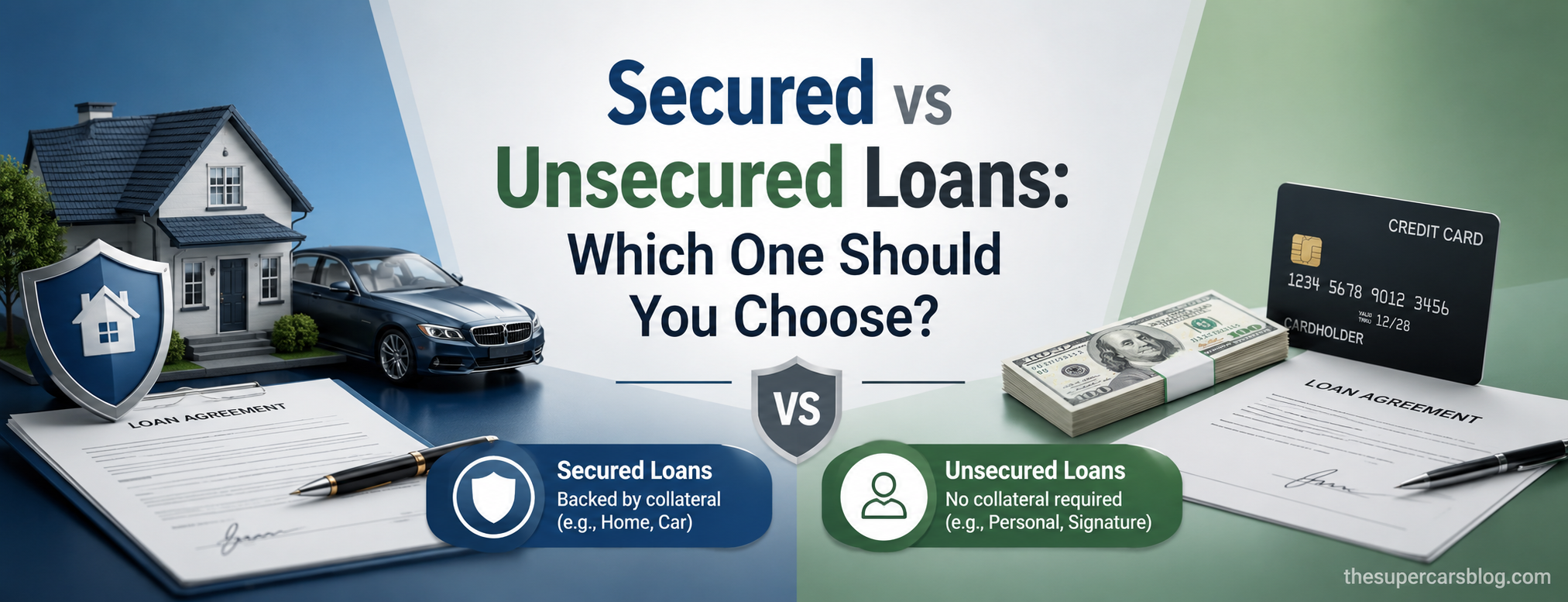
A secured loan is one that is backed by collateral, which acts as a form of security for the lender. This collateral can take many forms, including real estate, vehicles, or savings accounts. In the event that the borrower defaults on the loan, the lender has the legal right to seize the collateral to recoup their losses. Because the lender assumes less risk, secured loans typically offer lower interest rates and higher borrowing limits. Mortgages and auto loans are prominent examples of secured loans, where the property or vehicle purchased serves as collateral.
In contrast, an unsecured loan does not require collateral. Instead, lenders evaluate a borrower’s creditworthiness and financial history to determine eligibility and the associated interest rates. As there is no physical asset to guarantee the loan, unsecured loans generally present a higher level of risk for lenders, which often results in higher interest rates compared to secured loans. Common examples of unsecured loans include personal loans, credit cards, and student loans, all of which rely solely on the borrower’s promise to repay.
In summary, secured loans are tied to collateral, providing a safety net for lenders and potentially more favorable terms for borrowers. Unsecured loans, while more accessible, usually come with increased costs due to the lack of security. Understanding these differences is essential when deciding which type of loan aligns best with your financial circumstances and goals.
Advantages of Secured Loans
Secured loans present a range of advantages that make them a compelling option for many borrowers. One of the primary benefits is the lower interest rates often associated with these types of loans. Because secured loans require collateral—such as a home, car, or other valuable asset—lenders face reduced risk. In contrast, an unsecured loan, which relies solely on the borrower’s creditworthiness, typically results in higher interest rates to compensate for the increased risk for lenders.
Another significant advantage of secured loans is the potential for larger borrowing amounts. Given that lenders have a tangible asset to fall back on in case of default, they are generally more willing to approve larger loan sizes. This can be especially beneficial for individuals seeking to finance significant expenses, such as home renovations or consolidating higher-interest debt. In contrast, unsecured loans may have limits that can restrict a borrower’s access to necessary funds.
Secured loans also typically offer more favorable repayment terms. Borrowers can enjoy extended repayment periods, which lead to lower monthly payments. This can provide greater flexibility in managing finances, as well as a way to ensure that payments are manageable. Additionally, some lenders may offer specific benefits such as grace periods or rate reductions for borrowers who maintain a good repayment history.
Real-life scenarios illustrate these advantages effectively. For example, an individual might take out a secured loan by using their home equity to fund a significant renovation project, benefiting from a lower interest rate while enhancing the value of their property. Alternatively, a business might secure a loan against its inventory, gaining access to necessary capital while minimizing the costs associated with borrowing.
Disadvantages of Secured Loans
Secured loans come with several disadvantages that borrowers should contemplate before proceeding with this type of financing. The most significant drawback of secured loans is the risk associated with collateral. When a borrower takes out a secured loan, they pledge an asset—such as a home, vehicle, or savings account—as collateral to the lender. If the borrower fails to make timely repayments, the lender may initiate foreclosure or repossession procedures, leading to the loss of the asset. This risk is particularly pronounced in the case of mortgages, where failure to keep up with payments can result in losing one’s home.
Furthermore, the legal implications of defaulting on a secured loan can be substantial. In many cases, lenders may pursue legal action to recover the outstanding debt, which can result in additional costs and extended financial difficulties for the borrower. The ramifications also extend to the borrower’s credit rating; missing payments or defaulting on a secured loan can lead to significant drops in credit scores. Such negative marks can hinder an individual’s ability to obtain future credit or loans, further complicating their financial status.
Additionally, while secured loans often come with lower interest rates compared to unsecured loans, the initial appeal can be overshadowed by the long-term repercussions of potential default. Borrowers may feel pressured to maintain the collateral in question, which could lead to a cycle of borrowing that exacerbates financial stress. Overall, while secured loans can offer viable financing options, borrowers must weigh their current financial situation and risk tolerance carefully to avoid potential pitfalls.
Advantages of Unsecured Loans
Unsecured loans have gained popularity due to their numerous benefits, making them an attractive option for borrowers. One of the primary advantages of unsecured loans is the lack of collateral requirement. Borrowers are not obligated to offer any assets, such as a home or vehicle, against the loan. This characteristic simplifies the approval process and makes it accessible to a broader audience, including those who might not have substantial assets to pledge.
Moreover, the flexibility associated with unsecured loans is noteworthy. Borrowers can utilize the funds for various purposes, whether it be for consolidating debt, funding a personal project, covering unexpected expenses, or even for travel. This versatility allows individuals to make choices that best suit their financial situations without the restriction often tied to secured loans.
Another significant advantage lies in the implications for credit history. Unsecured loans can be a viable option for individuals with a fair credit score. Though a higher credit score can lead to more favorable terms, borrowers with moderate credit can still find opportunities for financing without the daunting requirement of collateral. Moreover, timely repayments can positively influence credit history, ultimately improving an individual’s credit rating.
Furthermore, unsecured loans often provide quick access to funds. The streamlined approval process, combined with the absence of collateral evaluation, allows borrowers to receive funds in a relatively short time frame, which can be crucial in emergency situations or for urgent financial needs. This aspect of unsecured loans enhances their appeal, as individuals can act promptly when opportunities or challenges arise.
Disadvantages of Unsecured Loans
Unsecured loans, while providing flexibility in borrowing, come with several notable disadvantages that potential borrowers should carefully consider. One of the most significant downsides is that unsecured loans generally carry higher interest rates compared to secured loans. This elevated cost stems from the absence of collateral, which means lenders take on a greater risk when issuing these loans. Borrowers with weaker credit scores may find themselves facing even steeper interest rates, further increasing the overall expense of the loan.
Another concern regarding unsecured loans is the typically smaller loan amounts that lenders are willing to extend. Since these loans do not require collateral, financial institutions tend to restrict the amount borrowed to minimize their risk exposure. As a result, individuals seeking substantial financial assistance may find themselves unable to secure the necessary funds through unsecured options, necessitating a compromise on their project or purchase.
Additionally, unsecured loans may come with stricter qualification requirements. Lenders often require a higher level of creditworthiness from applicants, which can create barriers for individuals with less-than-perfect credit histories. Those with lower credit scores may encounter difficulties and may need to seek alternative financing solutions. These higher qualification hurdles can also lead to extended waiting periods for approval and additional documentation requirements.
Ultimately, the disadvantages of unsecured loans, including their higher interest rates, limited loan amounts, and rigorous qualification standards, make them less optimal for certain borrowers. Before proceeding, individuals should carefully evaluate their financial situation and consider whether the drawbacks associated with unsecured loans align with their borrowing needs and objectives.
How to Choose the Right Type of Loan for You
Selecting between a secured and an unsecured loan involves a careful assessment of your financial circumstances and personal preferences. Understanding your credit score is an essential first step, as it can significantly influence the type of loan you qualify for. Secured loans often have lower interest rates due to the collateral backing them, which can be particularly beneficial for borrowers with good credit. Conversely, those with lower credit scores might find it more challenging to obtain favorable terms with unsecured loans, which do not require collateral.
Beyond credit scores, it is crucial to identify your financial needs. A secured loan can be a suitable choice when you require a larger sum of money and are comfortable putting up collateral, such as a home or vehicle. Such loans are typically utilized for significant expenses like home renovations or debt consolidation. On the other hand, if you need a smaller amount for a short-term expense, an unsecured loan may provide more flexibility and quicker access to funds since it usually has a faster application process.
Risk tolerance is another vital factor in your decision-making process. Secured loans carry the risk of losing your collateral if you default, while unsecured loans do not involve such a risk but may come with higher interest rates and stricter repayment terms. Assess your willingness to risk assets against the potential benefits of lower interest rates.
It is also advisable to compare various lenders and their respective loan products. Review the terms, fees, and overall cost of borrowing for both secured and unsecured loans to determine which option fits your financial situation best. Thorough research and self-assessment will empower you to make an informed choice regarding the right type of loan for your individual needs.
When to Consider Secured Loans
Secured loans are a viable option for individuals who need to make significant purchases or consolidate existing debts at more favorable interest rates. One of the primary scenarios where secured loans become advantageous is when borrowing for major investments, such as buying a home or a vehicle. Lenders typically feel more confident approving these loans when a valuable asset is pledged as collateral, which in turn often leads to lower interest rates and more manageable repayment terms.
In the case of purchasing a home, a mortgage serves as a classic example of a secured loan. The property itself acts as collateral; hence, borrowers can often access larger amounts of money over extended repayment periods. This type of loan can be particularly appealing for first-time homebuyers seeking to enter the housing market while keeping monthly payments within their budget.
Similarly, secured loans can be beneficial for individuals looking to purchase a vehicle. Auto loans are often secured by the vehicle itself, allowing borrowers to secure financing with lower interest rates compared to unsecured options. This makes secured loans a practical choice for buyers who want to reduce their overall financing costs.
Debt consolidation is another scenario where secured loans can prove advantageous. When individuals accumulate multiple debts, especially at higher interest rates, taking out a secured personal loan can provide a lower rate of interest, thereby simplifying budgeting and reducing monthly obligations. Borrowers may find that consolidating their debts into one secured loan not only saves money but also helps improve their credit score over time.
In conclusion, secured loans are often the optimal choice for those making substantial purchases or seeking to consolidate debts. The added security for lenders generally results in better terms for borrowers, making it important to consider all available options carefully.
When to Consider Unsecured Loans
Unsecured loans present a viable solution for various financial needs, especially when the urgency of expenses outweighs the potential risks associated with collateralized borrowing. These types of loans, which do not require any form of security, are often favored in situations where immediate access to funds is necessary. For instance, unexpected medical emergencies, home repairs, or essential car maintenance can all benefit from the swift availability of unsecured loans.
Additionally, unsecured loans are commonly utilized for small personal loans directed towards everyday spending. This may include financing for a family vacation, home décor improvements, or consolidating smaller debts into a single payment for better financial management. Borrowers often opt for unsecured options to ease their financial burdens without relinquishing valuable assets.
Moreover, another crucial aspect of choosing unsecured loans relates to the borrower’s attitude toward risk. In instances where individuals prefer to avoid the threat of losing their collateral — which can occur with secured loans — unsecured loans offer a more appealing alternative. This is especially pertinent for those who may not have substantial assets to secure a loan, as well as for individuals who prioritize flexibility and ease in their financial decision-making.
Ultimately, opting for unsecured loans is advisable in scenarios where the borrower seeks quick funding, wishes to utilize funds for discretionary expenses, or aims to mitigate risks linked to securing personal property. However, it is essential to weigh the potential for higher interest rates against these advantages, as unsecured loans typically charge more compared to their secured counterparts. Careful consideration of one’s financial situation and needs is paramount in making the right choice between secured and unsecured loans.
Conclusion and Final Thoughts
In navigating the landscape of borrowing, the choice between secured and unsecured loans remains a pivotal decision for numerous individuals. Secured loans, backed by collateral, generally offer lower interest rates and higher borrowing amounts. This type of loan, however, comes with the inherent risk of losing the asset should repayment obligations not be met. On the other hand, unsecured loans provide the benefit of not requiring collateral, making them an attractive option for those who prefer not to put their possessions at risk.
Before choosing between these two types of loans, it is crucial to evaluate one’s financial circumstances and long-term goals. Factors to consider include credit score, income stability, and other obligations that may affect repayment capacity. Additionally, while unsecured loans might seem more appealing due to their lack of collateral requirement, they often come with higher interest rates that may impact overall cost over time.
Conducting thorough research is paramount. Prospective borrowers should compare various lenders, assess interest rates, and review the terms associated with each loan type. As part of this process, understanding the potential risks and benefits of secured versus unsecured loans will help in making an informed choice. If navigating this terrain feels overwhelming, seeking advice from financial professionals can provide tailored insights based on individual needs and risk tolerances.
In summary, both secured and unsecured loans offer unique advantages and disadvantages. Ultimately, the best option will depend on one’s financial health and personal preferences. Careful consideration and informed decision-making can contribute to a more sustainable financial future.