Understanding Your FICO Score
A FICO score is a crucial number in personal finance, serving as a quantifiable measure of an individual’s creditworthiness. Developed by the Fair Isaac Corporation, this score ranges from 300 to 850, with higher numbers indicating better credit health. Understanding your FICO score is essential because it affects various financial decisions, including your eligibility for loans, interest rates, and even rental agreements.
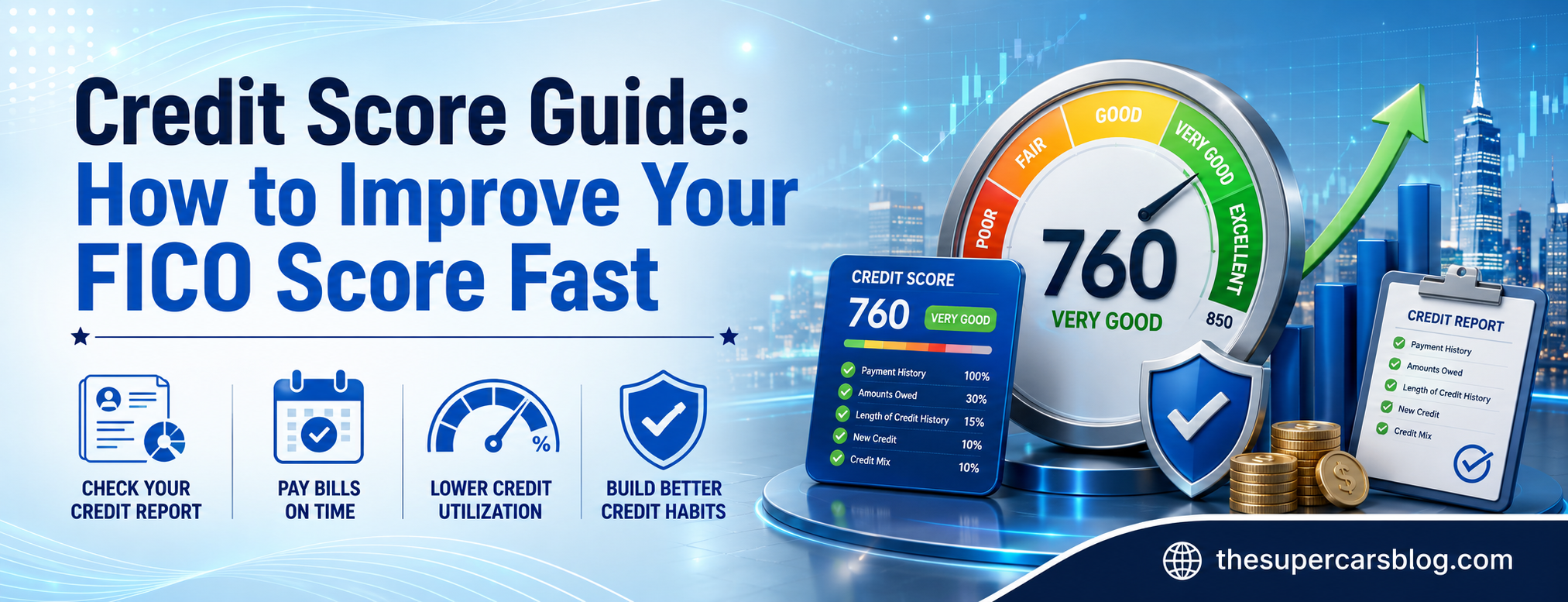
Several factors influence a FICO score, and being aware of them can help individuals take proactive steps toward improvement. Firstly, payment history is the most significant factor, accounting for about 35% of your score. Late payments or defaults can dramatically lower your score. Secondly, credit utilization, which represents the ratio of your credit card balances to their limits, constitutes about 30% of the score. Keeping this ratio below 30% is advisable to maintain a healthy score.
Another important factor is the length of your credit history, which contributes about 15% to your overall score. A longer credit history indicates stability and trustworthiness to lenders. Additionally, the types of credit in use (account types) and recent credit inquiries collectively make up the remaining 20%. Having a diverse mix of credit can positively impact your score, while multiple inquiries may signal financial trouble, potentially lowering your score.
In terms of what constitutes a good credit score, a score of 700 or above typically indicates good credit health. Conversely, scores below 580 are considered poor, making it challenging to secure loans or credit. By understanding the components of their FICO score, individuals can take steps to improve their financial standing.
Why a Good Credit Score Matters
A good credit score is a valuable financial asset that can significantly impact various aspects of an individual’s financial life. One of the primary benefits of maintaining a strong credit score is the access it provides to lower interest rates on loans. Those with a higher FICO score often qualify for favorable terms when applying for mortgages, personal loans, and auto financing. This can translate into substantial savings over the life of a loan, enabling borrowers to allocate funds elsewhere, such as in investments or savings.
In addition to lower interest rates, individuals with commendable credit scores are more likely to be presented with attractive credit card offers. Many credit card companies provide rewards, cash-back programs, and other lucrative incentives to those who demonstrate responsible credit behavior. This not only enhances consumer purchasing power but can also lead to building a stronger credit history over time.
Moreover, a good credit score serves as a critical factor during loan application assessments. Lenders often rely on credit scores to gauge a borrower’s financial reliability and risk level. Consequently, those with solid scores are more likely to receive loan approvals, opening doors to purchasing homes, cars, or funding education—opportunities that might be inaccessible to individuals with poor credit standings.
Beyond financing, credit scores play a role in other aspects of everyday life. For instance, potential landlords often check credit scores as part of the rental application process to determine tenant reliability, making it crucial for individuals seeking housing. Furthermore, some insurance companies utilize credit scores to establish premium rates, where higher scores can sometimes lead to lower premiums. Even in the job market, certain employers review credit histories as part of their hiring processes, underscoring the importance of maintaining a good credit score.
Common Factors Affecting Your FICO Score
Your FICO score is a crucial factor that lenders utilize to assess the creditworthiness of potential borrowers. Understanding the key components that influence this score can aid individuals in making informed financial decisions. The FICO score is primarily determined by five factors, each contributing uniquely to the overall score.
The first and most significant factor is payment history, which accounts for approximately 35% of the FICO score. It reflects whether you pay your bills on time. Timely payments can significantly enhance your score, while late payments, defaults, or bankruptcies can cause substantial drops in this metric.
Next is credit utilization, representing about 30% of the score. This factor indicates the ratio of your outstanding credit card balances to your total credit limits. Keeping this ratio low is advisable; ideally, it should be below 30%. High credit utilization can suggest financial distress, thereby negatively impacting your score.
The length of credit history contributes 15% to the FICO score. This includes the age of your oldest account, the average age of all your accounts, and how recently you opened new accounts. A longer credit history generally helps your credit score, as it provides a more comprehensive view of your spending habits.
The type of credit in use constitutes 10% of the FICO score. A diverse mix of credit accounts, such as credit cards, installment loans, and mortgages, can be beneficial. Lastly, new credit inquiries, which make up 10% of the score, occur when you apply for new credit. Frequent inquiries can signal risk, so it is wise to limit the number of new applications in a short period.
Quick Tips for Improving Your FICO Score
Improving your FICO score requires a strategic approach, focusing on several key areas within your financial behavior. By implementing these practical tips, you can make significant strides in enhancing your creditworthiness.
Firstly, one of the most effective methods is to pay down existing debt. A lower credit utilization ratio, which is the amount of credit used compared to your total credit limit, can positively impact your FICO score. Aim to keep your utilization below 30 percent, and if possible, lower it even further. Prioritize paying off high-interest debts first, as this not only helps improve your score but also reduces the overall interest you pay.
Secondly, ensure that all payments are made on time. Your payment history has a substantial influence on your FICO score, accounting for approximately 35 percent of the total score. Set reminders or automate payments to avoid missed deadlines. Consistently meeting payment obligations establishes a reliable history, ultimately bolstering your score over time.
Furthermore, it is crucial to review your credit reports regularly and correct any discrepancies found. Credit reporting errors can adversely affect your score, and commonly stem from incorrect account information or outdated personal details. By challenging these inaccuracies with the credit bureaus, you can potentially see an improvement in your score. AnnualCreditReport.com offers a free annual credit report to help you stay informed about your credit status.
Lastly, consider becoming an authorized user on a responsible friend or family member’s credit card. This can provide immediate benefits to your score, as their on-time payments and low utilization can reflect positively on your credit profile. However, this must be approached cautiously to ensure it does not introduce additional risk.
How to Check Your Credit Report for Errors
Monitoring your credit report is a critical step in maintaining a healthy FICO score. Consumers are entitled to receive one free credit report annually from each of the three major credit bureaus: Equifax, Experian, and TransUnion. To access your reports, visit AnnualCreditReport.com, which is the only federally authorized website for obtaining free credit reports. This process allows you to stay informed about your credit status and identify any potential issues.
When reviewing your credit report, focus on the key areas that can influence your credit score. Common errors may include incorrect personal information, inaccuracies in account balances, outdated data regarding closed accounts, or unfamiliar accounts that may suggest identity theft. It is essential to scrutinize these components, as even small errors can significantly impact your FICO score. Take careful notes of any discrepancies or items that seem questionable.
If you find inaccuracies in your credit report, you have the right to dispute them. Each credit bureau has a process for filing disputes, typically available directly on their website. Gather the necessary documentation to support your claim, such as account statements or written communications. Filing a dispute often initiates an investigation on behalf of the credit bureau, which may take up to 30 days. During this period, keep records of your correspondence and follow up if necessary. Should the investigation reveal an error, the credit bureau is required to correct it, thereby improving your credit report and potentially boosting your FICO score.
Regularly checking your credit report not only helps to flag errors that could adversely affect your financial standing but also empowers you to take action to improve your credit health. With diligence and vigilance, you can enhance your credit profile effectively.
The Role of Payment History in Your Credit Score
Payment history constitutes a crucial component of your credit score, accounting for approximately 35% of your FICO score calculation. This metric reflects your track record of making payments on time, which is a major indicator of your creditworthiness. Any instances of missed or late payments can significantly harm your score, making it essential to understand how to manage this aspect effectively.
When a payment is missed, it is typically recorded on your credit report, and the effect can be detrimental. For example, a late payment can stay on your credit report for up to seven years, gradually decreasing your score with its presence. The later your payment, the more severe the impact; a payment that is 30 days late is less damaging than one that is 90 days late or more.
To maintain a positive payment history, there are several strategies you can implement. Firstly, consider setting up automatic payments for your bills. This option minimizes the likelihood of missing payments due to forgetfulness or oversight. Furthermore, creating reminders in your calendar or using financial management apps can serve as helpful prompts to ensure timely payments.
Additionally, regularly reviewing your credit reports for accuracy is essential. Errors can occasionally occur, leading to unjustly recorded late payments that could negatively impact your score. If discrepancies are found, prompt reporting to the credit bureau may assist in rectifying the issue.
In summary, understanding the critical role of payment history in your FICO score can empower you to take proactive steps to enhance your creditworthiness. By adopting sound practices to assure timely bill payments, individuals can significantly improve and maintain a favorable credit score over time.
Credit Utilization: Keeping it in Check
Credit utilization is a critical factor in determining your FICO score, comprising about 30% of the total score calculation. It represents the ratio of your credit card balances to your credit limits. Essentially, this ratio provides insight into how much credit you are using compared to how much is available to you. A high credit utilization percentage may indicate to lenders that you are overly reliant on credit, which can negatively impact your creditworthiness.
The general recommendation for maintaining a healthy credit utilization ratio is to keep it below 30%. Ideally, the lower the percentage, the better your FICO score can be. For instance, if you have a total credit limit of $10,000 across all credit cards, keeping your balances below $3,000 is advisable. This proactive management showcases responsible use of credit and can help improve your score rapidly.
To effectively manage your credit card usage and ensure a low utilization ratio, consider the following tips: First, monitor your credit card balances regularly to stay aware of your spending habits. Setting up alerts for when you approach your credit limit can provide additional control. Secondly, if you find your utilization is high, aim to pay down your balances more frequently throughout the month instead of just once. This strategy helps lower your reported balance before your credit statement is generated. Additionally, if your finances allow, request an increase in your credit limits—provided you don’t increase your spending. This adjustment can directly reduce your utilization ratio.
By adhering to these strategies, you can significantly improve your credit utilization, contributing to a healthier FICO score and overall financial health.
Length of Credit History: Building a Strong Profile
The length of your credit history is a crucial factor in determining your FICO score, which typically comprises 15% of the total score calculation. This metric takes into account not only how long your credit accounts have been active but also the average age of these accounts. A longer credit history generally signals reliability to lenders, demonstrating that you have experience in managing credit responsibly over time.
To build and maintain a strong credit history, it is essential to keep older accounts open, even if they are not frequently used. Closing older accounts can reduce the average age of your credit portfolio, negatively impacting your FICO score. Although it may seem prudent to close unwanted or inactive accounts, it is advisable to consider the long-term implications on your credit profile.
Another effective strategy for enhancing your credit history includes applying for and using different types of credit accounts, such as credit cards, personal loans, or installment loans. This diversification allows you to showcase your ability to handle multiple forms of credit over time. Make sure to manage these accounts prudently by making timely payments, as consistent, on-time payment history is instrumental in growing a positive credit profile.
Regularly checking your credit reports for inaccuracies or errors is also essential. If you find any discrepancies, disputing them promptly can help maintain the integrity of your credit history. Moreover, establishing a timeline for your credit management practices, such as paying down debts and gradually increasing credit limits, can contribute to a solid credit history conducive to achieving a favorable FICO score.
Long-Term Strategies for Sustaining Your FICO Score
Maintaining a healthy FICO score is crucial for achieving favorable financial opportunities, such as lower interest rates on loans and enhanced credit options. Long-term strategies for sustaining a good credit score require ongoing attention and diligent habits. One of the most effective methods is regularly monitoring your credit report. This involves not only tracking your score but also reviewing your credit report for inaccuracies or outdated information. Free annual credit reports are available from each of the three major credit bureaus—Experian, TransUnion, and Equifax—allowing consumers to correct errors that may negatively impact their FICO score.
In addition to regular credit monitoring, it is essential to conduct periodic financial check-ups. This includes evaluating your debt levels, understanding your spending habits, and assessing your overall financial health. Establishing a budget can facilitate better control over expenses, thereby ensuring timely bill payments and preventing increased credit utilization. Having a clear understanding of your financial landscape helps in making informed decisions that contribute to credit stability.
Continuing education about credit management is another vital aspect of sustaining a good FICO score. Financial literacy empowers individuals to recognize how different actions, such as late payments or high balances, can adversely affect their scores. By staying informed about best practices for credit management, individuals can effectively employ strategies like engaging in responsible credit usage, utilizing diverse credit types, and always paying bills on time. The journey does not end with achieving a high credit score; it requires sustained effort and commitment.
Ultimately, adopting these long-term strategies will not only bolster your creditworthiness but also provide you with the tools necessary for financial resilience. By remaining proactive and disciplined, you can successfully navigate the complexities of credit management and secure a favorable financial future.