Understanding Health Insurance Basics
Health insurance serves as a crucial financial safety net, ensuring access to necessary medical services while minimizing out-of-pocket expenses. It is important to grasp a few foundational terms and concepts to navigate the health insurance landscape effectively.
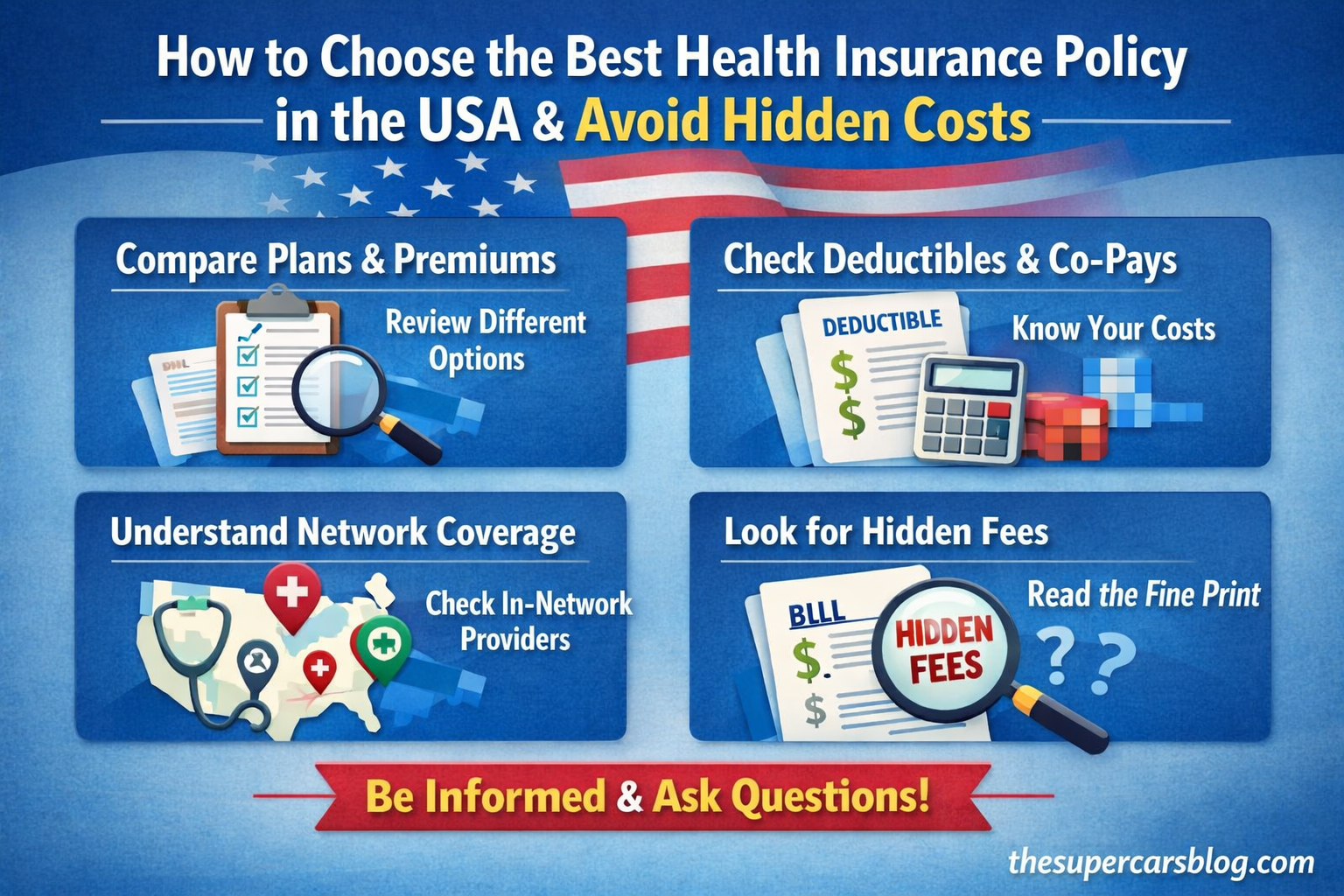
When considering options, it is vital to understand how to Choose the Best Health Insurance Policy to suit your needs.
One of the primary classifications of health insurance plans includes Health Maintenance Organizations (HMOs), Preferred Provider Organizations (PPOs), and Exclusive Provider Organizations (EPOs). HMOs typically require members to select a primary care physician, who coordinates all healthcare services. In contrast, PPOs provide more flexibility, allowing members to see any doctor, but they incur higher costs when seeking out-of-network care. EPOs also offer a balance, requiring members to use a network of providers while not necessitating a primary care physician referral. Understanding these distinctions can help individuals choose a plan that aligns with their healthcare needs.
Besides types of plans, it is vital to familiarize oneself with key terms such as premiums, deductibles, copayments, and out-of-pocket maximums. The premium is the monthly fee paid for insurance coverage, while a deductible is the amount the insured must pay before the insurance begins to cover costs. Copayments are fixed amounts paid for specific services, whereas the out-of-pocket maximum caps the total an individual must spend in a policy year. These elements work together to shape overall costs and benefits, influencing one’s choice in a plan.
Recognizing these fundamental concepts lays the groundwork for informed decision-making regarding health insurance policies. Without a solid understanding, individuals may encounter unexpected costs and difficulties in managing their healthcare expenses. Therefore, comprehending the basics of health insurance is essential before exploring different policies.
Evaluating Your Healthcare Needs
Choosing the right health insurance policy begins with a thorough evaluation of your personal healthcare needs and those of your family. This assessment serves as a guiding framework in selecting a suitable insurance plan that meets healthcare expectations and minimizes financial surprises.
The first step in this evaluation is to analyze the current health status of each family member. Consider any pre-existing conditions, chronic ailments, or special medical requirements that necessitate ongoing treatment or specialized care. Individuals with complex health issues may need comprehensive coverage options that encompass various medical services, including specialist consultations, therapies, and hospitalizations.
Next, examine the frequency of medical visits and appointments. Determine how often you or your family members seek preventive care and additional treatments. Individuals with regular healthcare needs may benefit from a plan that offers low copayments for doctor visits and routine check-ups, while those who require less frequent care might prioritize lower premiums over extensive coverage.
In addition to current health conditions, take stock of any ongoing medications and treatments. Assessing prescription drug needs is vital, as some health insurance policies focus heavily on covering inpatient services while offering limited medication coverage. Reviewing the formulary list of medications under each policy can provide insights into out-of-pocket expenses.
Lastly, consider the specialists you or your family members may need to consult. Ensure that the health insurance plans you are considering include these professionals within their network. This can impact not only the coverage you receive but also your access to critical healthcare services. By understanding your healthcare needs, you can make informed decisions regarding which health insurance policies will provide the best value without incurring hidden costs.
Comparing Health Insurance Policies
When evaluating health insurance policies, it is essential to consider various factors beyond just the premium costs. The primary goal should be to find a plan that offers comprehensive coverage suitable for your healthcare needs while avoiding hidden costs that may surface later. Start by analyzing the coverage details offered by each policy. Look for specifics on hospitalization, outpatient care, preventive services, and prescription drug coverage. Understanding what each plan covers will help you gauge its overall value.
Another crucial aspect to examine is the provider network associated with the health insurance policy. Some plans may have a limited network of healthcare providers, which can affect your access to specialists and hospitals. Confirm if your preferred doctors and facilities are included in the network. Utilizing an out-of-network provider can lead to higher out-of-pocket expenses, so ensuring adequate access to in-network options can save you significant costs.
Furthermore, it is vital to investigate potential hidden costs associated with health insurance policies. Some policies may include practices such as balance billing, which could leave you responsible for covering the difference between what the insurance pays and the amount charged by certain providers. Additionally, keep an eye out for out-of-network charges that might apply when receiving care from non-participating providers. Thoroughly reviewing the summary of benefits for each plan allows you to identify these factors effectively.
In conclusion, by focusing on premiums, coverage specifics, provider networks, and hidden charges, you can compare health insurance policies more effectively. Gathering this information from various insurance companies empowers you to make an informed decision and select a plan that not only meets your health requirements but also aligns with your financial expectations.
Tips for Avoiding Hidden Costs in Health Insurance
When selecting a health insurance policy, understanding the potential hidden costs is essential to ensure that your financial obligations remain manageable. To begin with, scrutinizing the fine print is a crucial step. Insurance contracts can be intricate, filled with terms and conditions that may have significant implications for your coverage. Pay careful attention to exclusions and limitations that could affect your access to necessary services or provide less coverage than you anticipated.
Another effective strategy is to engage in open communication with your insurance provider. Don’t hesitate to ask pointed questions about coverage specifics, including medication costs, specialist visits, and emergency services. Making sure you have clarity on how claims are processed and whether pre-authorization is required can also prevent unexpected charges down the line.
It is also prudent to familiarize yourself with common pitfalls that may not be immediately apparent. Out-of-network charges are one of the most significant areas where individuals encounter unplanned expenses. Ensure that your preferred healthcare providers are in-network to avoid higher costs, which could arise from services rendered by doctors or hospitals not covered by your health plan. Compare your options against the available provider directories to align with your healthcare needs.
Additionally, managing your health care costs can be achieved through preventative measures and regular check-ups, helping you remain proactive rather than reactive regarding your health. Utilizing available resources, such as patient portals, can also offer insights into your healthcare expenditures. Establishing a solid understanding of your health insurance policy will empower you to navigate the system effectively, steering clear of unforeseen financial burdens while obtaining the care necessary for your well-being.