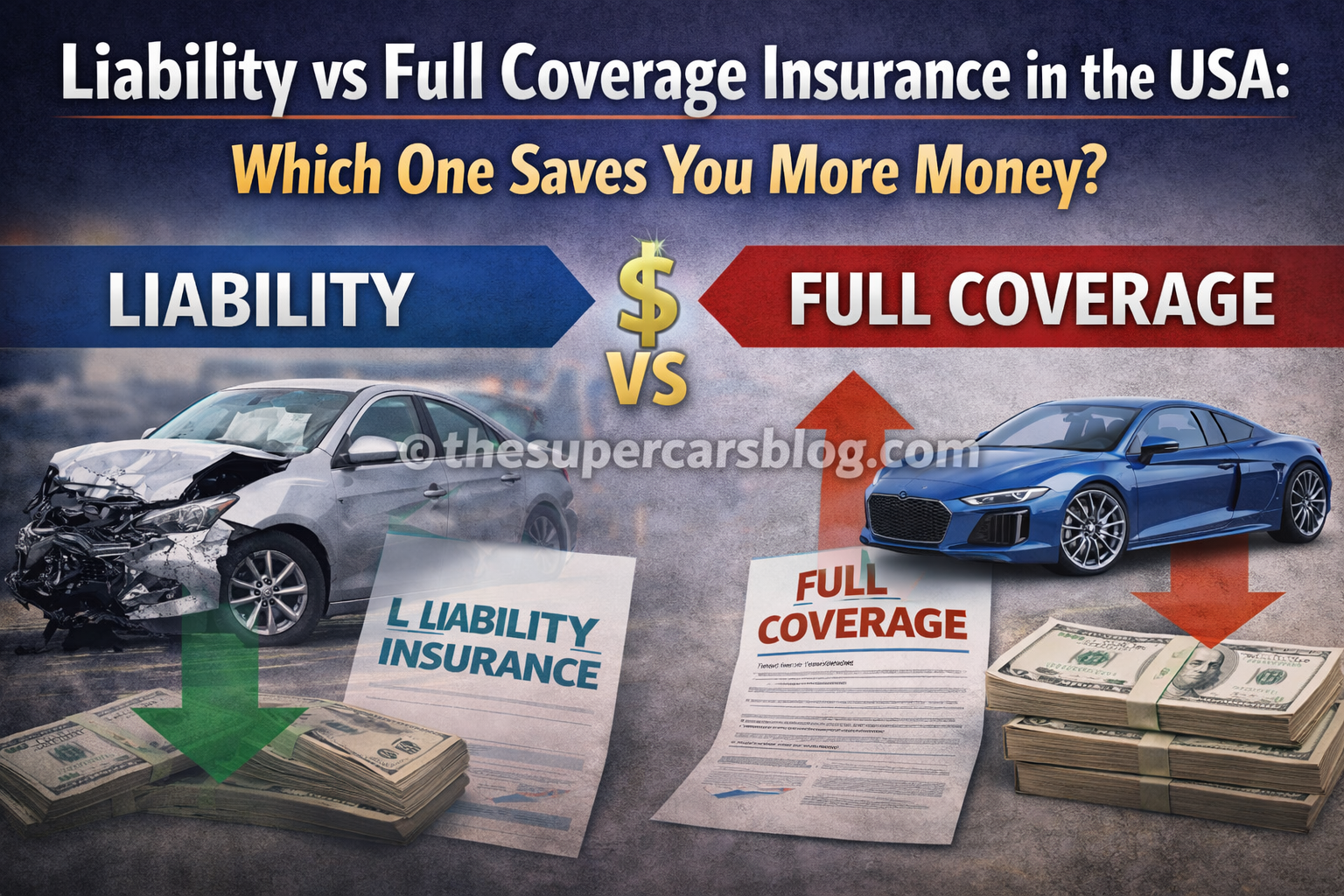
Understanding Liability Insurance
Liability insurance serves as a critical component of auto insurance policies, providing essential financial protection to policyholders in the USA. Specifically, liability insurance covers the costs associated with damages or injuries that the policyholder may inflict on others while operating their vehicle. This type of coverage is fundamentally designed to shield the insured from legal and financial repercussions arising from accidents where they are determined to be at fault.
The two primary components of liability insurance are bodily injury liability and property damage liability. Bodily injury liability covers medical expenses and related costs incurred by other individuals when the insured is responsible for an accident causing injury. In contrast, property damage liability addresses expenses stemming from damage to another person’s property, such as vehicles, fences, or buildings, due to the insured’s actions. Understanding these distinctions is vital for potential policyholders, as they underscore the limits of liability coverage.
While many individuals opt for liability insurance due to its lower premium rates compared to full coverage insurance, a common misconception persists regarding its comprehensive protection. Liability insurance will not cover the policyholder’s medical expenses, vehicle repair costs, or damages to their own property. Consequently, should an accident occur, the out-of-pocket expenses may become substantial if the insurance coverage limits are exceeded.
Furthermore, there is a prevalent assumption that having minimum liability coverage is enough to protect against all potential financial responsibilities. However, depending on the severity of the accident, this may not always suffice. Therefore, it is crucial for consumers to carefully assess their risk exposure and consider whether standard liability insurance adequately meets their needs, particularly in an increasingly litigious society.
Exploring Full Coverage Insurance
Full coverage insurance is a term that often creates confusion as it does not refer to a specific type of insurance policy but rather a combination of different coverages that protect the policyholder against various risks. In the context of auto insurance, full coverage typically includes liability coverage, collision coverage, and comprehensive coverage. Liability coverage protects against damages caused to others in an accident, while collision coverage specifically covers damages resulting from a collision with another vehicle or object. Comprehensive coverage, on the other hand, provides financial protection against damages from non-collision events such as theft, vandalism, or natural disasters.
One of the primary advantages of having full coverage insurance is the added peace of mind it offers. For individuals who own newer vehicles or those that are expensive to replace, the benefits of full coverage become increasingly apparent. In the event of an accident, the financial security provided by collision and comprehensive coverages ensures that they can repair or replace their damaged vehicle without incurring substantial out-of-pocket costs. Moreover, full coverage insurance is often a requirement for those who finance or lease their vehicles; lenders typically mandate that borrowers maintain full coverage to protect their investment.
However, full coverage insurance does have its disadvantages. The most significant drawback is the higher premium compared to basic liability insurance. This can lead to increased monthly expenses for the policyholder, which may not be feasible for everyone. Additionally, drivers with older vehicles may find that the cost of full coverage outweighs its benefits, as the potential payout in the event of a total loss might not warrant the higher premium. Therefore, while full coverage insurance provides extensive protection, it is essential for drivers to weigh their personal circumstances and financial situations before deciding on their insurance options.
Cost Comparison: Liability vs. Full Coverage
When evaluating the cost implications of liability versus full coverage insurance, several significant factors must be taken into account. First and foremost, the driver’s history plays a crucial role in determining insurance premiums. A driver with a clean record will likely pay less for both types of insurance compared to a driver with previous accidents or traffic violations. Insurance companies often assess these records to estimate risk and, consequently, premium rates.
Additionally, the type of vehicle being insured greatly influences the cost of coverage. Luxury vehicles or newer models typically require higher premiums due to their increased replacement and repair costs. Conversely, older or less valuable vehicles often result in lower premium rates as their associated risks are considered manageable. For those opting for liability coverage, the decision to insure a higher-value vehicle might result in surprisingly high costs if an accident occurs, given that liability insurance does not cover damages to the insured vehicle.
Location also contributes significantly to the cost comparison. Insurance rates can vary widely depending on state regulations, urban or rural settings, and even local crime rates. Areas with high accident rates often experience steeper premiums. Therefore, potential buyers should assess their local environment when contemplating whether to choose liability or full coverage insurance.
Scenario-based analysis can also shed light on potential savings. For instance, a driver with an older car and a clean record residing in a low-traffic area may find liability insurance to be the most cost-effective choice. Meanwhile, a new car owner in a busy metropolitan area may benefit from full coverage, despite the higher initial cost. Over time, the choice between liability and full coverage will depend on individual circumstances, driving habits, and specific financial priorities, making it imperative to conduct a thorough cost analysis before making a final decision.
Making the Right Choice for Your Situation
When it comes to choosing between liability and full coverage insurance in the USA, understanding your personal circumstances is key. Financial stability plays a significant role in this decision. If you have the funds to cover potential losses from an accident, opting for liability insurance may suffice. This type of insurance typically costs less monthly, making it appealing for those looking to save on premiums.
Risk tolerance is another critical factor. Individuals who are comfortable assuming more risk might prefer liability coverage, as it protects them from basic legal obligations following an accident without offering comprehensive protection for their vehicle. In contrast, full coverage insurance provides an extra layer of financial security by covering damages to both your vehicle and others’, hence attracting those who are risk-averse.
Additionally, considering the value of your vehicle is paramount. If you own an older vehicle, the cost of comprehensive coverage may outweigh the car’s worth. In such cases, maintaining liability coverage may provide sufficient protection without excessive costs. However, for a newer or higher-value vehicle, full coverage is generally a more prudent choice.
Your personal driving habits can also influence your decision. Frequent long-distance travel or driving in high-risk areas may warrant a more comprehensive policy to mitigate potential losses. It’s essential to assess your driving frequency and location when deciding between the two insurance types.
Finally, finding the best rates requires thorough research. Various insurance providers offer different premiums based on individual factors, making it vital to shop around for the best option that meets your specific needs. Using comparison websites or consulting with an insurance broker can streamline this process, assisting you in tailoring your insurance to suit your financial and personal circumstances.