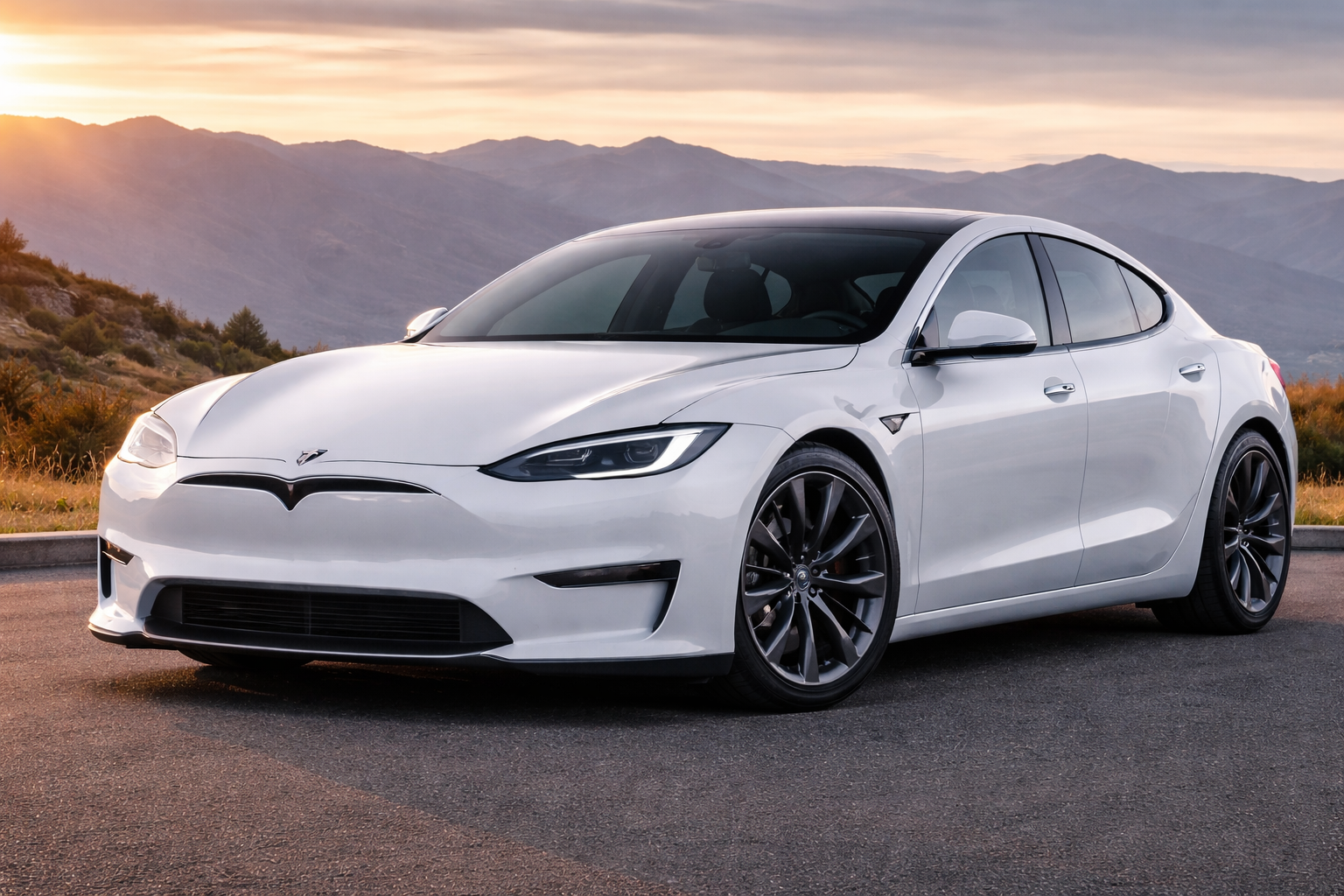
Introduction to the Tesla Model S Plaid (2026)
The Tesla Model S Plaid (2026) stands as a significant milestone within Tesla’s lineup, showcasing the culmination of innovative engineering and sustainable practices. As the flagship electric sedan, it epitomizes Tesla’s commitment to offering high-performance vehicles without compromising on environmental responsibility. The automotive landscape is rapidly evolving, with a marked increase in the demand for electric vehicles, and the Model S Plaid is poised to lead this transformation.
Since its inception, Tesla has been at the forefront of the electric vehicle movement, continually pushing the boundaries of vehicle performance, safety, and efficiency. The anticipation surrounding the Model S Plaid is a testament to the brand’s positive reputation and the growing acceptance of electric vehicles across global markets. Enthusiasts and consumers alike are eagerly awaiting the arrival of this advanced sedan, recognizing its potential to redefine the standards of luxury and performance in the electric vehicle sector.
Moreover, the model reflects Tesla’s vision for a sustainable future, combining cutting-edge technology with luxurious design elements. The integration of advanced battery technology not only enhances the overall driving experience but also addresses concerns regarding environmental sustainability. As more consumers seek alternatives to traditional combustion engines, the Tesla Model S Plaid (2026) offers an appealing solution that aligns with ecological values while delivering an unmatched driving experience.
As we delve deeper into the Model S Plaid’s impressive features and performance metrics, it becomes evident that this vehicle does not merely represent a technological feat; it marks a pivotal shift in the automotive industry towards sustainable luxury. The following sections will further explore the remarkable specifications and innovative technologies that set the Model S Plaid apart in the realm of electric sedans.
Extreme Performance Specifications
The Tesla Model S Plaid (2026) sets a new standard in electric vehicle performance, showcasing a remarkable blend of speed, power, and efficiency. With an astonishing 0 to 60 mph acceleration time of just under 2 seconds, this model outpaces not only its Tesla predecessors but also every electric sedan on the market. This extreme performance is achieved through its advanced tri-motor setup, which employs one motor on the front axle and two on the rear. This configuration not only delivers outstanding speed but also enhances traction and stability during acceleration.
Moreover, the Model S Plaid boasts a top speed of approximately 200 mph, marking a significant improvement over earlier models while solidifying its position as a leader among electric sedans. It is equipped with a high-capacity battery pack that provides an impressive estimated range of around 390 miles on a single charge, outpacing many competing vehicles in the EV space. The improved energy efficiency also means that drivers can expect to cover more distance without frequent stops for recharging.
When comparing the Model S Plaid to rival electric sedans, such as the Lucid Air and the Porsche Taycan, it is clear that Tesla has raised the bar for performance benchmarks within this segment. The Plaid’s peak power output reaches a staggering 1,020 horsepower, ensuring that it not only competes but excels in a landscape increasingly populated with high-performance electric vehicles. Enhanced aerodynamics and weight distribution techniques integrated into its design contribute further to its exceptional handling and overall driving experience, making the Tesla Model S Plaid (2026) a pinnacle of innovation in the electric sedan world.
Advanced Autonomous Features
The Tesla Model S Plaid (2026) is a remarkable step forward in the evolution of electric sedans, particularly renowned for its advanced autonomous features. At the heart of its self-driving capabilities lies Tesla’s proprietary Autopilot system, which leverages an array of cutting-edge sensors and real-time data processing to deliver a sophisticated driving experience. The vehicle is equipped with multiple cameras, radar, and ultrasonic sensors that collectively monitor the environment, ensuring a 360-degree view of the surroundings.
Autopilot provides essential functions such as adaptive cruise control, lane centering, and automated lane changes. These features work in synergy to reduce driver fatigue on long trips, significantly enhancing convenience and safety. The integration of Full Self-Driving (FSD) capabilities introduces additional functionalities, including automatic navigation through highways, city driving interactions, and the ability to recognize and respond to traffic signals and stop signs.
Notably, Tesla continually refines its autonomous systems through over-the-air software updates. This approach allows the Model S Plaid to improve its functionalities over time without requiring physical changes to the vehicle. Each update incorporates user feedback and advanced algorithms to enhance the vehicle’s autonomous performance, thereby growing in capabilities as more data is gathered from the fleet.
Real-world applications such as Tesla’s Smart Summon feature exemplify the practical benefits of these advancements, enabling the vehicle to navigate complex parking environments and locate its owner autonomously. Users have reported high satisfaction levels, citing a significant reduction in daily commuting stress. As these technologies evolve, the implications for safety and user convenience become increasingly profound, positioning the Tesla Model S Plaid as a leader in the electric vehicle market.
Conclusion and Future Outlook
The Tesla Model S Plaid (2026) represents a remarkable achievement in the evolution of electric sedans, showcasing cutting-edge technology and innovative design that significantly elevates the driving experience. This vehicle not only boasts exceptional performance metrics—including rapid acceleration and impressive range—but also embodies Tesla’s commitment to sustainable transportation. As discussed, the Model S Plaid features enhancements like advanced battery technology that extends its longevity and efficiency, positioning it as a trailblazer in the electric vehicle market.
Moreover, the implications of the Model S Plaid extend beyond mere performance. Its integration of autonomous driving capabilities redefines the standards for safety and convenience in modern automobiles. This aligns with Tesla’s overarching vision of a future where autonomous electric vehicles become the norm, optimizing urban mobility and reducing environmental impact. With the Model S Plaid leading the charge, Tesla sets a precedent for future developments within their product lineup.
Looking ahead, the trajectory for electric sedans appears promising. As consumer demand for environmentally friendly transportation solutions continues to grow, Tesla’s innovations in vehicle technology will likely influence competitors and spur advancements in the wider automotive industry. The success of the Model S Plaid could encourage further investments in electric vehicle infrastructure, thereby facilitating greater accessibility and adoption of electric sedans.
Tesla’s strategic focus on refining electric performance and expanding its range of autonomous features will likely shape the future of not only its offerings but also the global electric vehicle landscape. As Tesla continues to push the boundaries of technology, the prospects for electric sedans appear more vibrant than ever, signifying a pivotal moment for both the brand and the industry as a whole.