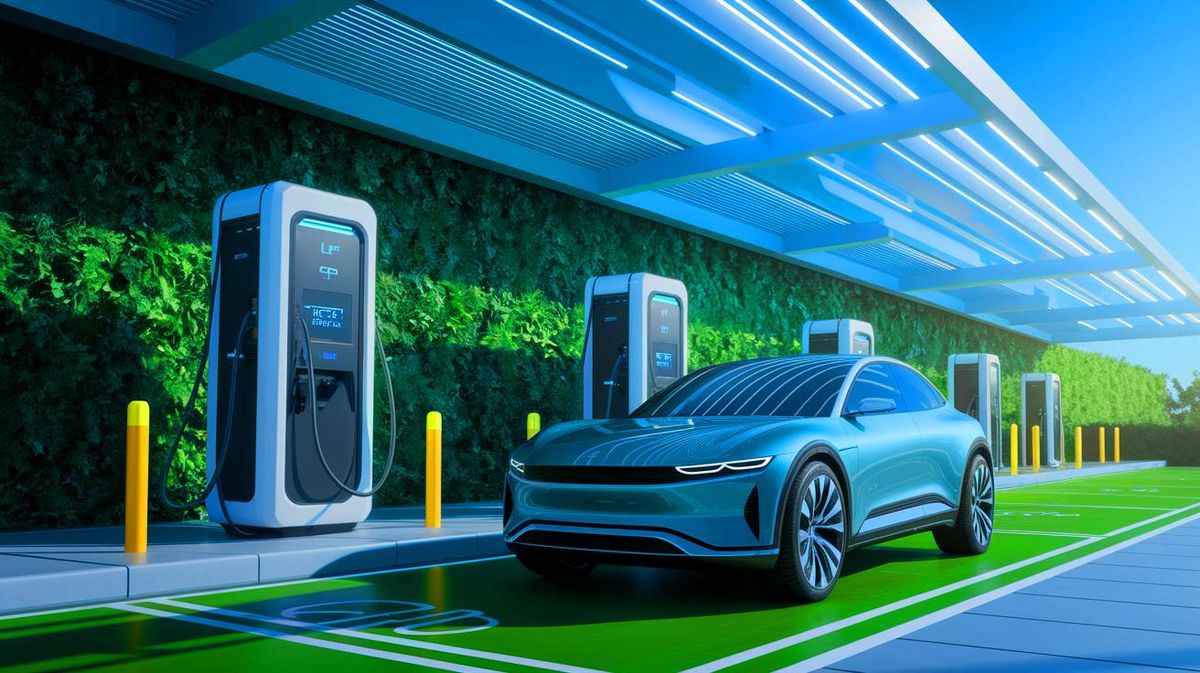
Understanding Hybrid Cars: How They Work
Hybrid cars represent a significant advancement in automotive technology, combining traditional internal combustion engines with electric propulsion systems. This unique configuration enables vehicles to optimize fuel efficiency and minimize emissions. There are primarily three types of hybrid vehicles: parallel hybrids, series hybrids, and plug-in hybrids, each designed to utilize alternative power sources effectively.
In parallel hybrids, both the electric motor and the combustion engine can drive the vehicle simultaneously or independently, allowing for better fuel consumption under various driving conditions. The integration of these two powertrains ensures that the vehicle can operate economically while maintaining performance. An example of this system can be seen in the Toyota Prius, which has become synonymous with fuel-efficient driving.
Conversely, series hybrids utilize an electric motor to drive the wheels exclusively while the internal combustion engine serves solely as a generator to produce electricity. This setup is advantageous in optimizing energy use and minimizing emissions during operation. The Chevrolet Volt exemplifies a series hybrid with the ability to travel considerable distances on electric power alone.
Plug-in hybrids, on the other hand, extend the capabilities of traditional hybrids by allowing users to charge their electric batteries through a standard electrical outlet. This feature enables greater reliance on electric power for shorter trips, significantly reducing fuel consumption. The Ford Fusion Energi is a prominent model in this category, appealing to environmentally conscious consumers who seek flexibility.
The benefits associated with hybrid technology are numerous. Apart from improved fuel efficiency and lower emissions, hybrid vehicles also capitalize on regenerative braking systems. This innovative feature captures energy typically lost during braking and redirects it back into the battery, optimizing overall energy use and enhancing the driving experience.
Top Hybrid Cars of 2023
As we move through 2023, the automotive market has seen a significant shift towards hybrid vehicles, appealing to environmentally conscious consumers eager to reduce fuel consumption while enjoying the flexibility of gasoline-powered engines. Below, we present a carefully curated list of the top hybrid cars available this year, focusing on key specifications and unique attributes that set each model apart.
The Toyota Prius continues to lead the pack, offering exceptional fuel economy ratings of up to 56 mpg combined. With a spacious interior and advanced safety features including lane departure alerts and adaptive cruise control, it remains a popular choice for eco-conscious drivers. Consumers appreciate the brand’s reputation for reliability and low maintenance costs, further solidifying the Prius’s position in the hybrid market.
Next, the Honda Accord Hybrid presents an impressive combination of performance and efficiency. With a robust engine delivering 212 horsepower, it provides a spirited driving experience while still achieving 48 mpg in combined city and highway driving. Its spacious cabin, user-friendly technology, and excellent safety ratings earn high marks from buyers, making it an attractive option for families.
The Ford Escape Hybrid showcases versatility with its compact SUV design. This model offers an electric range of up to 37 miles and a fuel efficiency of 40 mpg combined. Notable for its generous cargo space and comfortable ride, it is equipped with Ford’s Co-Pilot360 technology, which enhances driving safety. Its affordability compared to traditional SUVs has garnered positive consumer feedback.
Lastly, the Hyundai Ioniq Hybrid stands out with its futuristic design and efficient design features. It boasts a remarkable fuel economy of 58 mpg combined and offers cargo versatility thanks to its hatchback layout. With a reputation for innovation and value, the Ioniq Hybrid is an excellent contender in the expanding hybrid vehicle market.
These exemplary models reflect the industry’s movement toward sustainable alternatives, each offering distinct qualities that cater to various consumer preferences. By considering these top hybrid cars, readers can make informed choices that align with their lifestyle and values in 2023.
Benefits of Choosing Hybrid Vehicles
Hybrid vehicles offer numerous advantages over traditional gasoline-powered cars, making them an appealing choice for environmentally conscious consumers and those looking to save on fuel costs. One of the primary benefits of hybrid cars is their improved fuel efficiency. Due to their dual powertrain, which typically combines a gasoline engine with an electric motor, hybrid vehicles consume far less fuel compared to their conventional counterparts. This not only translates to significant savings at the pump but also contributes to reduced greenhouse gas emissions.
In addition to cost savings from fuel efficiency, purchasing a hybrid vehicle often comes with various tax incentives and rebates. Many governments provide financial benefits to encourage the adoption of cleaner technologies, making hybrids a more economical choice in the long run. These incentives can effectively reduce the overall cost of ownership, further encouraging consumers to consider hybrid options.
From an environmental perspective, hybrid vehicles significantly lower a driver’s carbon footprint, helping to mitigate climate change. With lower emissions, they contribute to cleaner air quality and less reliance on fossil fuels. Many modern hybrids are also designed with sustainability in mind, featuring materials and production processes that minimize environmental impact.
Another advantage of hybrid cars is their dual power sources, which offer flexibility and convenience. When the battery is fully charged, drivers can operate their vehicles on electric power alone for short trips, reducing fuel consumption while relying on the gasoline engine for longer journeys. It’s also worth addressing common concerns regarding hybrid vehicles, such as maintenance costs and battery lifespan. While hybrids may require specific maintenance, overall upkeep can often be lower due to fewer moving engine parts and regenerative braking systems that help preserve brake life.
In conclusion, the benefits of choosing hybrid vehicles make them an attractive alternative to traditional gasoline cars, combining efficiency, environmental responsibility, and cost savings.
The Future of Hybrid Technology: Trends to Watch
As we look towards the future, the evolution of hybrid technology promises exciting advancements that are set to reshape the automotive industry. One of the most significant trends is the rapid improvement in battery technology. Manufacturers are investing heavily in research and development to enhance battery efficiency, leading to lighter and more powerful solutions. This progress not only extends the electric driving range of hybrid cars but also allows for quicker charging times, making these vehicles increasingly convenient for consumers.
Furthermore, advancements in fuel economy are on the forefront of hybrid innovation. New models are being designed with optimized aerodynamics and lightweight materials, resulting in greater fuel efficiency. As countries continue to enforce stricter emission regulations, automakers are responding by integrating hybrid technology to reduce their carbon footprint and comply with environmental standards.
The acceptance of hybrid vehicles in various markets is also witnessing a notable shift. With increasing consumer awareness of environmental issues, the demand for fuel-efficient cars is rising significantly. Governments worldwide are introducing incentives such as tax breaks, rebates, and subsidies designed to promote hybrid adoption, leading to an enhanced market presence. This trend aligns with the broader transition towards electric vehicles, where hybrids often serve as a bridge for consumers transitioning from traditional gasoline-powered cars.
In parallel, automakers are continuously refining their hybrid offerings. Notable brands are expanding their hybrid lineups, producing models that cater to different consumer preferences, from compact sedans to spacious SUVs. Expect to see more innovative features, such as regenerative braking systems and advanced connectivity options, making hybrids an attractive alternative for modern drivers.
Legislative changes also hold the potential to drive hybrid adoption. Many regions are proposing new regulations aimed at phasing out fossil-fuel vehicles, indicating a clear push towards sustainable alternatives. These policies, coupled with technological advancements, will play a critical role in shaping the future landscape of hybrid vehicles.