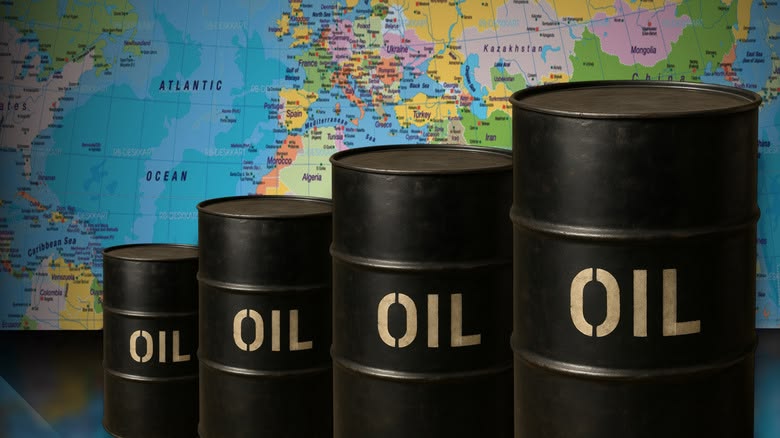
Understanding the Oil and Gas Industry
The oil and gas industry plays a pivotal role in the global economy, serving as a primary source of energy and impacting various sectors. As the backbone of industrial and consumer energy consumption, it significantly shapes market dynamics and geopolitical relations. Understanding this sector is crucial for individuals contemplating investments in oil and gas.
The industry is broadly divided into three main segments: upstream, midstream, and downstream. The upstream segment involves exploration and production of oil and gas, focusing on locating and extracting these resources from the earth. Investments in upstream operations can yield significant returns, driven by oil prices, which fluctuate based on market demand and global supply. This segment can be risky, as resource discovery and extraction rely heavily on technological advancements and market conditions.
The midstream segment encompasses transportation and storage, playing a crucial role in the supply chain. Companies in this sector move crude oil and natural gas from extraction sites to refineries and distribution centers. Investments in midstream companies are often seen as less risky due to their stable cash flow, primarily derived from long-term contracts and regulated tariffs.
Finally, the downstream segment involves refining crude oil into finished products such as gasoline, diesel, and petrochemicals, as well as their distribution and sale. This segment can provide investment opportunities in companies that have strong market positions and can efficiently manage supply chains. Understanding these segments enables investors to evaluate the multifaceted nature of the oil and gas industry and identify opportunities that align with their financial goals.
Types of Oil and Gas Investments
Investing in the oil and gas sector offers a variety of avenues for generating passive income. Each type of investment comes with its own set of features, risks, and potential returns, making it essential for beginners to understand the landscape before committing their resources.
One common form of investment is direct ownership in oilfields or gas wells. This involves purchasing a fractional interest in a drilling operation, which can provide significant returns if the well produces a substantial amount of oil or gas. However, this type of investment also comes with high risks, including operational failures and market volatility, making thorough research essential before proceeding.
Another popular option is to invest in stocks of publicly traded oil and gas companies. These companies, ranging from exploration firms to established major producers, may yield dividends and capital appreciation, making them an attractive choice for those seeking income. However, stock performance can be influenced by fluctuating crude oil prices and economic factors, which implies investors should stay informed about industry trends.
For a broader approach, investors might consider mutual funds or exchange-traded funds (ETFs) that focus on the energy sector. These funds invest in a diversified portfolio of oil and gas companies, reducing individual risk. They offer professional management and are suitable for those who prefer less hands-on oversight. Moreover, ETFs trade on exchanges like stocks, giving investors the flexibility to buy and sell easily.
Ultimately, understanding the distinct characteristics of these investment types is crucial for making informed decisions. Each option offers unique benefits and challenges, meaning that aligning one’s investment strategy with personal financial goals is essential for building passive income in the oil and gas sector.
Risks and Considerations in Oil and Gas Investments
Investing in oil and gas can be a lucrative endeavor, particularly for those seeking passive income; however, it is crucial for potential investors to understand the various risks involved. One of the primary concerns is market volatility, which can significantly impact the price of oil and gas. Fluctuations in supply and demand, driven by economic conditions or technological advancements, can lead to unpredictable returns on investment.
Another critical factor is geopolitical influences. Oil production is often concentrated in specific regions, which may be politically unstable. Changes in government, conflicts, or trade policies can adversely affect production capabilities and, consequently, investment stability. Investors must be aware of these geopolitical realities and how they can affect oil prices.
Furthermore, regulatory challenges can create additional uncertainties in the oil and gas sector. Legislation concerning environmental protection, land use, or taxation can impact operational costs and profitability. Understanding the legal landscape is essential for mitigating potential risks associated with these regulations.
The environmental impact of oil and gas extraction cannot be overlooked. Concerns regarding climate change and pollution have led to increasing scrutiny of the industry. Investors should consider how environmental factors might influence the long-term viability of their investments and be aware of the growing trend towards renewable energy sources.
To navigate these risks effectively, investors should consider strategies such as diversification. By spreading investments across different sectors or types of assets, one can reduce overall risk exposure. Thorough research and staying informed about market trends, geopolitical events, and regulatory changes will further enhance the ability to make informed investment decisions, thus minimizing potential pitfalls in the oil and gas sector.
Strategies for Successfully Investing in Oil and Gas
Investing in oil and gas can be a rewarding venture when approached with the right strategies. For beginners, the journey begins with thorough research. It is essential to understand the fundamentals of the oil and gas market, including factors that influence prices, such as geopolitical events, supply and demand dynamics, and technological advancements. Comprehensive analysis of potential investments is necessary, which includes studying company fundamentals, financial health, and production capabilities.
Staying updated on market trends is another critical aspect. The oil and gas industry is highly volatile; therefore, remaining informed about current events, regulatory changes, and economic indicators will aid in making informed decisions. Utilizing reliable sources, such as market reports, industry news, and expert analyses can facilitate better investment choices.
When considering how to allocate assets, diversification is vital. Spreading investments across different sectors within the oil and gas industry—such as upstream (exploration and production), midstream (transportation and storage), and downstream (refining and distribution)—can mitigate risks associated with market fluctuations. This balanced approach enables investors to capitalize on various opportunities while protecting their portfolios against potential downturns.
Setting realistic goals for passive income is crucial in the investment process. Clearly defined objectives will help gauge the success of your investments over time and guide future decisions. Establishing a timeline for achieving these goals can also enhance accountability. Furthermore, regular monitoring of investment performance will help identify areas needing adjustment or reallocation, ensuring the portfolio remains aligned with financial objectives.
By implementing these strategies, beginners can navigate the complexities of oil and gas investments effectively, paving the way for potential passive income streams.