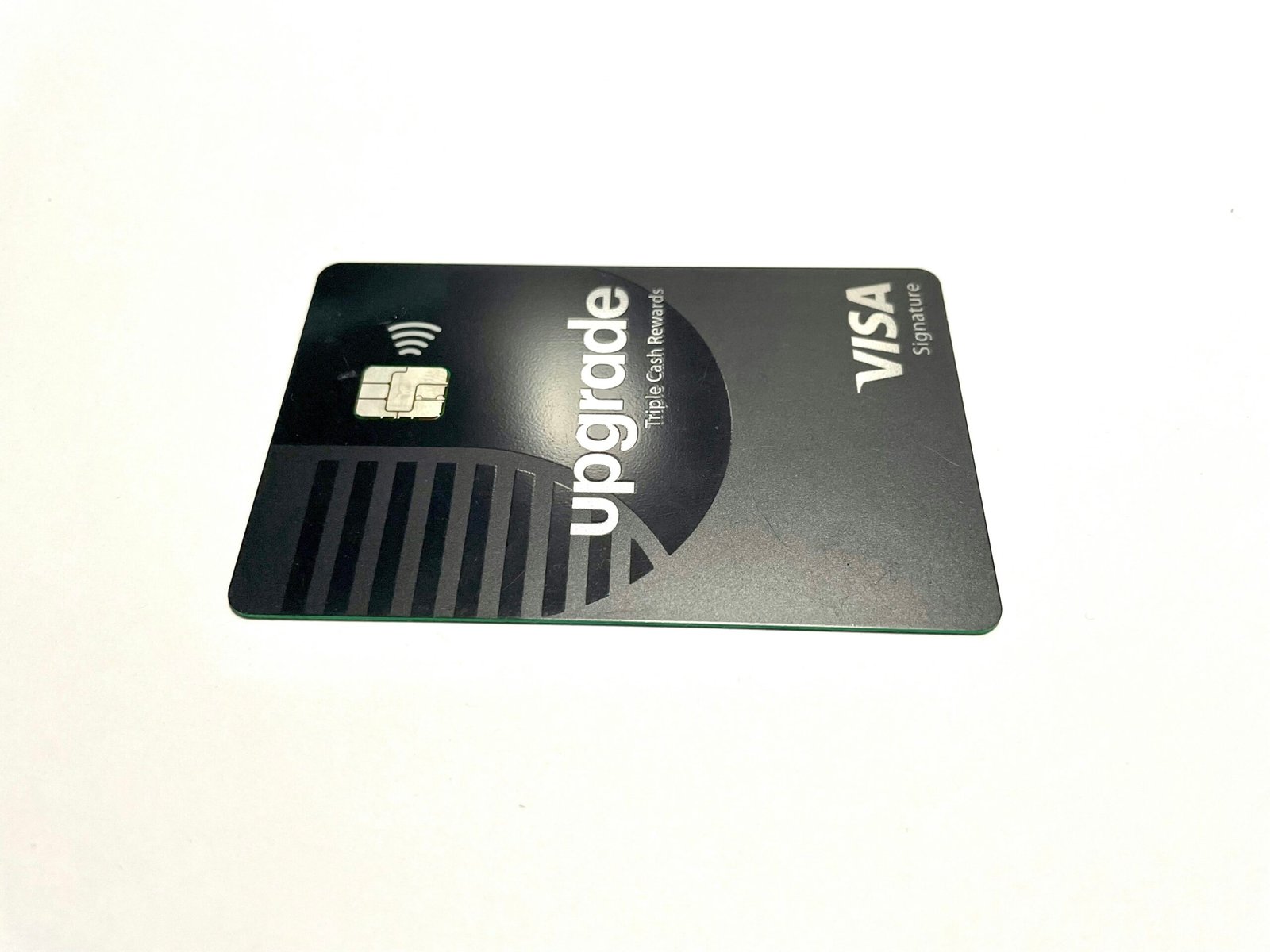
Understanding Credit Cards
A credit card is a financial tool that allows individuals to borrow funds from a pre-approved limit to make purchases or pay for services. Unlike cash or debit cards, which draw directly from one’s bank account, credit cards provide a line of credit. This means that consumers can spend up to their specified limit, with the expectation of repaying the borrowed amount, typically within a billing cycle. Failing to pay the balance in full can result in interest charges, which vary widely between different credit cards.
There are various types of credit cards available in the market, tailored to meet different financial needs. Rewards cards, for instance, offer points or cashback for purchases, allowing users to benefit from their spending. Low-interest cards are designed for those who may carry a balance month to month, featuring lower interest rates to minimize additional charges. Secured credit cards require users to deposit cash as collateral, making them easier to obtain for individuals with limited credit history.
Understanding the basic terminology associated with credit cards is crucial for making informed decisions. Credit limits are the maximum amount a cardholder can borrow on a given card, while interest rates, often referred to as Annual Percentage Rates (APRs), determine the cost of borrowing if the balance is not paid in full. Minimum payments are the least amount a borrower must pay to remain in good standing, but paying only this amount may prolong debt and increase total interest paid.
As credit cards can significantly impact an individual’s financial health, gaining a solid understanding of how they work, the types available, and relevant terminology is essential. Such knowledge empowers consumers to choose a credit card that aligns with their financial goals and spending habits.
Assessing Your Financial Needs
Before you select a credit card, it is vital to evaluate your individual financial situation. Start by conducting a thorough assessment of your current income, expenses, and savings. Understanding your financial landscape will empower you to choose a credit card that aligns with your spending habits and goals.
Analyzing spending habits is a crucial step in this process. Take into account how frequently you use credit cards and what types of purchases you typically make. Do you tend to spend more on groceries, travel, or entertainment? By identifying these patterns, you can choose a credit card that offers specific rewards in areas where you spend the most. For instance, if travel expenses are a significant part of your budget, a card with travel rewards might be the most beneficial option.
Your payment behavior also plays a critical role in determining the best credit card for you. If you consistently pay your balance in full each month, you may want to consider credit cards that offer cashback or rewards for purchases. On the other hand, if you anticipate carrying a balance, it is essential to focus on cards that come with lower interest rates or promotional balance transfer offers to minimize the financial impact while you pay off your debt.
Furthermore, it is essential to clarify what specific benefits you desire from a credit card. Whether you prioritize cashback, travel rewards, or other features, pinpointing these preferences will streamline your search. Additionally, setting financial goals related to your credit card usage can guide your decision-making process. For instance, if your goal is to earn enough travel points for a vacation, focus on cards that help you accumulate those points effectively.
Comparing Credit Card Options
When embarking on the journey to choose a credit card, it is essential to thoroughly compare various credit card options available in the market. The first step in this process involves researching multiple credit cards, examining essential factors such as annual fees, interest rates, rewards structures, and promotional offers. By understanding these components, individuals can make informed choices that align with their financial goals.
A crucial aspect of comparing credit cards is assessing the annual fee associated with each card. Some credit cards charge this fee upfront, while others may offer no annual fee as a promotional feature. It’s important to weigh these fees against the benefits provided by the card, particularly if rewards or cashback opportunities are involved. Interest rates also play a significant role in comparison; lower annual percentage rates (APRs) typically benefit those who may carry a balance month to month.
Rewards structures vary significantly among credit cards, with some offering points for travel, others focusing on cashback, and some providing benefits for specific spending categories like groceries or gas. Understanding one’s individual spending habits can help in selecting a credit card that maximizes rewards. Additionally, promotional offers such as introductory 0% APR periods or sign-up bonuses can be lucrative factors that affect decision making.
In this digital age, many online tools and resources are available to facilitate the comparison process. Websites that aggregate credit card offers allow users to filter options based on preferences, such as credit score range or desired rewards. Utilizing these online comparisons can significantly enhance the efficiency of the selection process, ensuring that potential cardholders identify which options best suit their financial needs and lifestyles.
Applying for a Credit Card and Managing It Wisely
When applying for a credit card, the first step is to gather the necessary information, which typically includes personal details such as your full name, address, and Social Security number. Additionally, you should provide your income information and employment details. These elements are crucial as they help the credit card issuer assess your creditworthiness. Before you apply, it may also be beneficial to review your credit report, as a higher credit score can significantly improve your chances of approval.
To enhance your application, consider checking your credit score and rectifying any discrepancies found on your credit report. Moreover, applying for a credit card that aligns with your income level and credit profile can further increase your likelihood of approval. Some issuers focus specifically on applicants with little to no credit history, making them ideal for beginners.
Once you successfully secure a credit card, managing it wisely becomes essential. An effective strategy for credit card management involves making timely payments. Late payments can lead to penalties and negatively impact your credit score. To avoid this, consider setting up automatic payments or reminders to ensure bills are settled on time. Additionally, monitoring your monthly statements is vital. This practice not only helps you track your spending but also aids in identifying any unauthorized charges.
Maintaining a good credit score is equally important. One fundamental tip is to keep your credit utilization ratio below 30%, meaning that you should not use more than 30% of your available credit. By adopting these responsible practices, you will not only build a positive credit history but also empower yourself to make informed financial decisions in the future.