
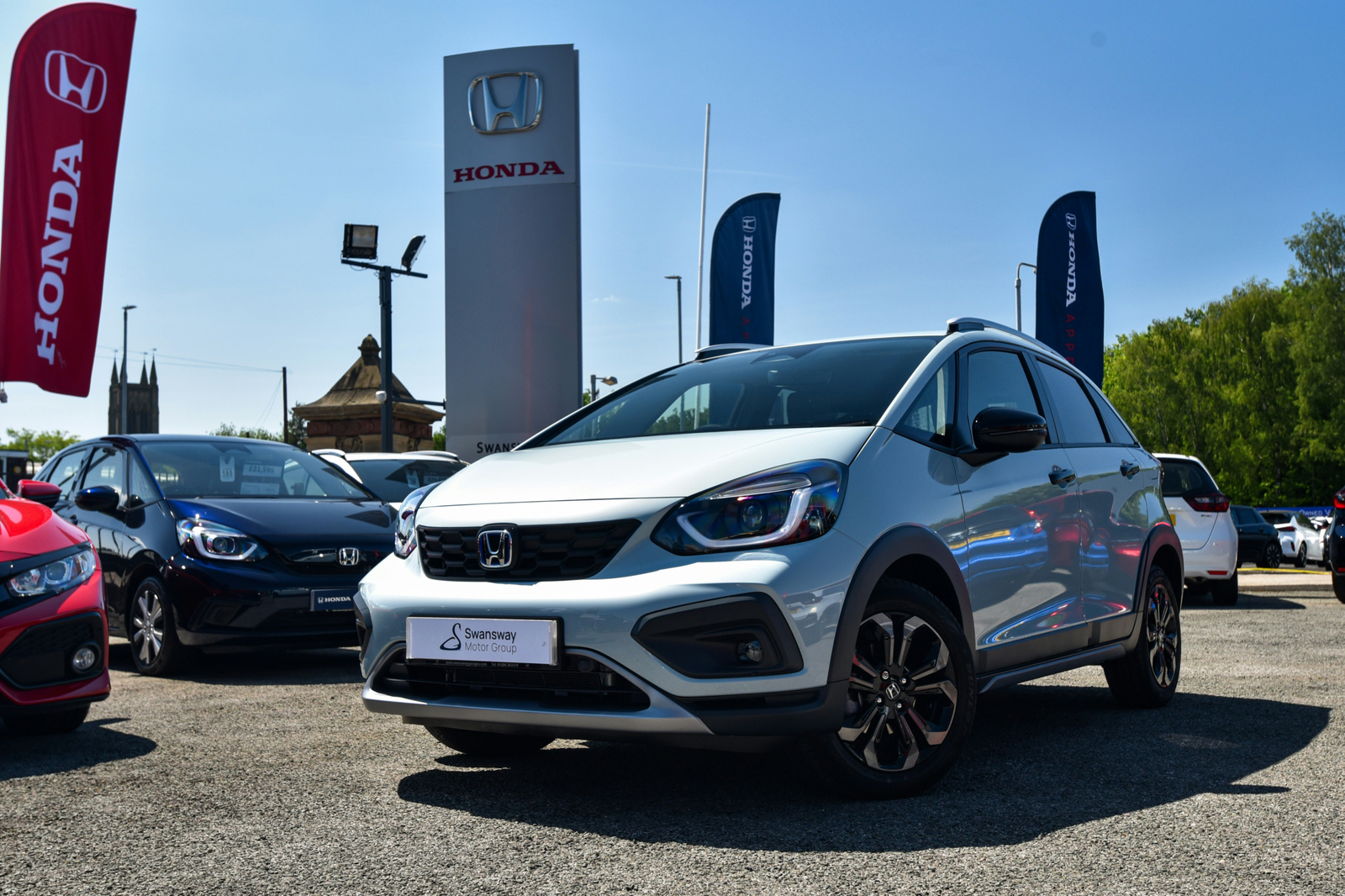
Overview of Honda Cars in the USA for 2026
As of 2026, Honda continues to be a prominent player in the American automotive market, offering a diverse lineup of vehicles that cater to various consumer needs. The brand’s commitment to innovation, efficiency, and reliability has solidified its reputation among American drivers. Honda’s portfolio in the USA includes compact cars, sedans, SUVs, and hybrids, appealing to a wide demographic ranging from young professionals to families seeking safe and efficient transportation options.
In recent years, Honda has made significant strides in enhancing its vehicle offerings. The introduction of updated models that incorporate advanced technologies, including improved fuel efficiency and state-of-the-art safety features, demonstrates Honda’s dedication to both environmental consciousness and consumer safety. The models available for the year 2026 include popular ones such as the Honda Civic, Honda Accord, Honda CR-V, and the Honda Pilot, each designed to meet the evolving preferences of American car buyers.
Additionally, the brand has increasingly focused on sustainability, with several hybrid and electric models added to its lineup. This shift towards greener vehicles aligns with the growing trend among consumers who prioritize fuel economy and environmental impact in their purchasing decisions. Honda’s hybrid models, like the Accord Hybrid and the CR-V Hybrid, showcase the company’s proactive approach in adapting to an eco-conscious market.
Moreover, Honda’s safety ratings consistently rank among the highest in the industry, reflecting its commitment to ensuring the wellbeing of its passengers. Advanced safety systems, such as Honda Sensing technologies, are incorporated across most of the lineup, providing drivers with peace of mind on the road.
Price Comparison of Honda Models in 2026
As the automotive market continues to evolve, Honda has maintained its reputation for producing reliable vehicles that cater to a diverse clientele. In 2026, the price landscape for various Honda models reflects both the brand’s commitment to quality and the competitive pricing strategies employed in the U.S. market. Buyers can expect to see different pricing tiers across popular models such as the Honda Accord, Civic, CR-V, and HR-V.
The Honda Accord, a staple in the midsize sedan segment, showcases a starting price of approximately $28,000. This base price provides an attractive entry point for consumers seeking a blend of comfort, performance, and fuel efficiency. Trims available can range up to $38,000 for fully equipped versions, showcasing features such as advanced technology and enhanced safety packages.
Meanwhile, the Honda Civic, a perennial favorite among compact cars, begins at around $25,000, with prices extending to about $32,000 for the higher-end trims. Its versatility and sporty design continue to appeal to a younger demographic, further solidified by its affordable pricing structure.
In the crossover segment, the Honda CR-V is a noteworthy competitor, with a base price starting near $30,000. As one of the leaders in the SUV market, it offers a price range up to $40,000 for models equipped with luxury features and advanced safety technology. The CR-V’s pricing is complemented by Honda’s ongoing promotional offers, which can significantly affect final purchase costs.
Lastly, the Honda HR-V caters to those looking for a more compact SUV option, with starting prices around $26,000 and going up to $34,000 for higher-trim configurations. Consumers should keep an eye on dealership incentives, as these can vary and influence overall expenses.
Fuel Economy Ratings of Honda Cars in 2026
In 2026, Honda continues to prioritize fuel efficiency across its range of vehicles, offering various models tailored for consumers seeking economical options. The Environmental Protection Agency (EPA) has rated Honda’s lineup, providing consumers with valuable insights into the fuel economy they can expect. Notably, the Honda Accord and Honda Civic stand out in this category, with EPA ratings estimated around 30-38 mpg in combined city and highway driving conditions. These models showcase Honda’s commitment to efficient performance without compromising on driving experience.
For customers considering hybrid options, the Honda Insight and Honda CR-V Hybrid offer impressive fuel economy ratings, achieving upwards of 50 mpg combined. These hybrids leverage advanced battery technology and regenerative braking systems to maximize energy efficiency further. Moreover, Honda’s engineering innovations continue to refine the performance of hybrid systems, ensuring they remain competitive in an ever-evolving market.
When comparing Honda’s vehicles to competitors, Honda models commonly rank among the best in their respective classes. For instance, while rivals such as Toyota and Hyundai offer competitive fuel economy, Honda’s track record in reliability and efficiency often enhances its appeal. Additionally, real-world driving conditions frequently yield favorable fuel consumption results for Honda cars, partly due to their adept handling and optimized aerodynamics. Thus, consumers can expect consistent performance that aligns with EPA estimates across a variety of driving scenarios.
It’s also essential to note Honda’s ongoing developments in alternative fuel technologies, including the integration of electric vehicles into their lineup. As regulations around fuel economy tighten, Honda’s dedication to advancing fuel-efficient technologies ensures that its offerings remain relevant and beneficial to environmentally conscious consumers in 2026.
Safety Ratings and Features of Honda Vehicles in 2026
The safety of vehicles is a paramount concern for manufacturers and consumers alike, and Honda has consistently prioritized this aspect in their vehicle design. As we look at Honda cars in the USA for 2026, it is essential to examine the safety ratings and features that are integral to the current lineup. Observations from reputable organizations such as the Insurance Institute for Highway Safety (IIHS) and the National Highway Traffic Safety Administration (NHTSA) provide critical insights into the safety performance of these vehicles.
Honda vehicles have been lauded for their superior safety ratings, often achieving high marks in crash tests. For instance, several models like the Honda Accord and Honda CR-V received the IIHS Top Safety Pick+ designation, reflecting their robust construction and advanced safety technology. Such ratings are indicative of Honda’s substantial commitment to occupant protection across various driving scenarios.
Incorporating cutting-edge safety technologies remains a hallmark of Honda’s design philosophy. Features such as the Honda Sensing suite are standard on most models in 2026, which includes advanced driver-assistance systems like collision mitigation braking, lane-keeping assist, and adaptive cruise control. These features constitute a significant advancement in enhancing driver awareness and preventing accidents, fulfilling Honda’s promise of safety.
Furthermore, Honda actively aims to foster a comprehensive safety culture, which is illustrated through ongoing enhancements in vehicle design and technology. The focus on both active and passive safety measures showcases Honda’s commitment to achieving the highest levels of safety for its drivers and passengers. With various models set to cater to safety-conscious buyers, evaluating these attributes is crucial when determining the best fit for one’s needs.