The Rise of Electric Vehicles
Over the past decade, electric vehicles (EVs) have rapidly transitioned from a niche market to a prominent segment of the automotive industry. This shift can be attributed to various factors including technological advancements, supportive government policies, and changing consumer preferences. Historically, EVs faced significant hurdles such as limited range, high costs, and inadequate charging infrastructure. However, recent innovations have addressed many of these challenges, resulting in longer-lasting batteries, improved performance, and lower production costs.
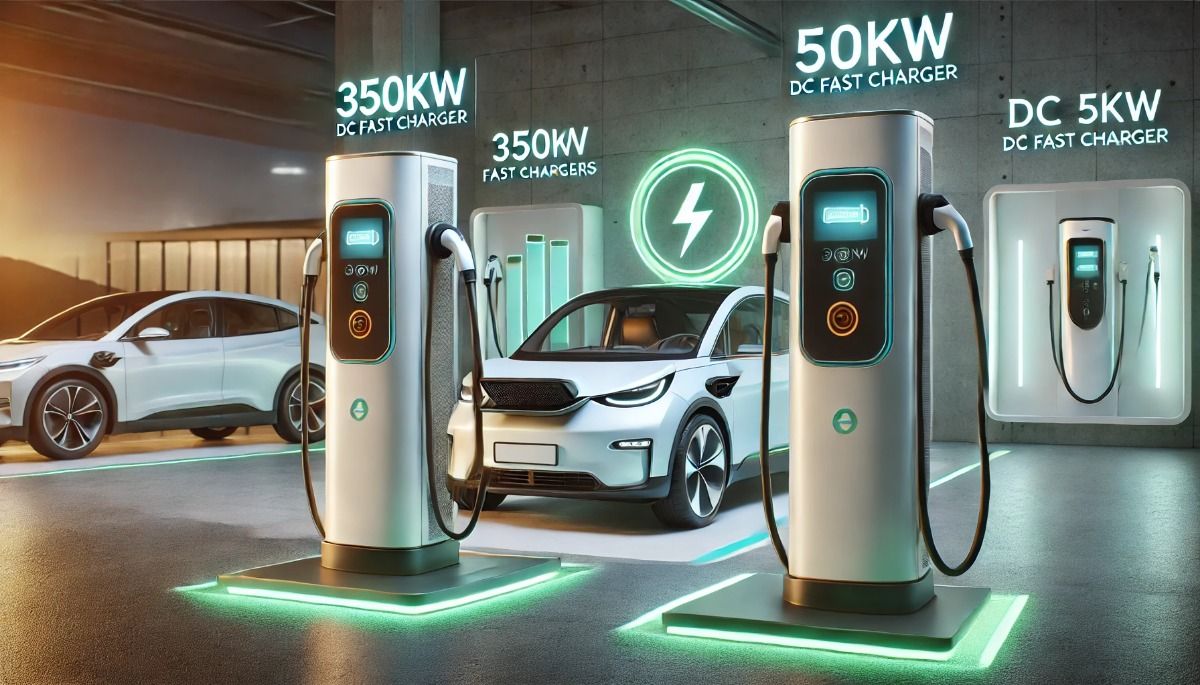
One of the main drivers of EV popularity is the advancements in battery technology. Manufacturers are investing heavily in research and development to enhance battery efficiency, reduce charging times, and extend vehicle range. For instance, lithium-ion batteries have become more affordable and durable, enabling electric cars to compete more effectively with traditional gasoline-powered vehicles. Moreover, the emergence of fast-charging stations is alleviating range anxiety, a common concern among potential EV buyers.
Additionally, government policies have played a crucial role in promoting electric vehicle adoption. Many countries are implementing stricter emissions regulations and offering incentives such as tax rebates and grants for purchasing electric cars. Such policies not only encourage consumers to consider EVs but also prompt manufacturers to expand their electric vehicle offerings. As the global push for sustainability intensifies, numerous automakers have pledged to transition to electric fleets, further signaling a commitment to reducing carbon emissions.
Consumer attitudes are also evolving. Today’s buyers increasingly prioritize environmental sustainability and view electric vehicles as a viable alternative to traditional cars. A growing awareness of climate change and the impact of fossil fuel consumption on the environment is driving consumers towards cleaner options. Electric vehicles are increasingly recognized not only for their sustainability but also for their lower operating costs, leading to a rise in acceptance and demand for these vehicles.
Environmental Impact and Sustainability
The transition from gasoline vehicles to electric vehicles (EVs) is significantly reshaping the transportation landscape, particularly concerning environmental impact and sustainability. One of the primary benefits of electric vehicles is their capacity to reduce greenhouse gas emissions. Unlike traditional gasoline-powered cars that release carbon dioxide and other harmful pollutants into the atmosphere, EVs produce zero tailpipe emissions. This characteristic plays a crucial role in mitigating climate change, as transportation is a substantial contributor to global warming. By adopting electric vehicles, emissions can be significantly curtailed, leading to improved air quality and reduced health risks associated with air pollution.
However, the sustainability of electric vehicles extends beyond their operational emissions. The production of batteries, a key component of EVs, poses environmental challenges, including resource extraction and energy consumption. The manufacturing process involves mining for materials such as lithium, cobalt, and nickel, which can result in habitat destruction and significant carbon footprints if not managed responsibly. Nonetheless, advances in battery technology and recycling processes are yielding promising developments aimed at reducing the environmental impact of battery production. Companies are increasingly investing in sustainable mining practices and are exploring alternative materials to lessen dependence on the most environmentally damaging resources.
Moreover, it is essential to assess the complete lifecycle of electric vehicles. A comprehensive lifecycle analysis shows that, while the initial production of EVs may have a higher environmental toll, their long-term operation tends to offset these emissions, especially when powered by renewable energy sources. This reaffirms the potential of electric vehicles as a more sustainable option when compared to conventional gasoline-powered vehicles. Therefore, the shift towards electric vehicles could be a pivotal strategy in addressing climate challenges, provided that the sustainability of their production and disposal is continuously improved and closely monitored.
Economic Considerations and Infrastructure Development
The transition from gasoline vehicles to electric vehicles (EVs) carries significant economic implications that warrant thorough analysis. One of the most compelling aspects of this shift is the potential for cost savings on fuel and maintenance. Electric cars typically have lower operational expenses compared to their gasoline counterparts; they benefit from reduced fuel costs, as electricity is generally cheaper than gasoline per mile traveled. Additionally, EVs have fewer moving parts, resulting in lower maintenance costs. Owners can expect to save significantly over the lifespan of the vehicle, making electric cars an appealing option for cost-conscious consumers.
Furthermore, the burgeoning electric vehicle market has the potential to create numerous jobs. As manufacturers scale up production, opportunities in research and development, engineering, manufacturing, and sales are likely to expand. Notably, the growth of the EV supply chain encompasses battery production, software development, and recycling, which can stimulate job creation across various sectors of the economy.
However, the successful adoption of electric vehicles hinges on the development of a robust charging infrastructure. The availability of charging stations is crucial for alleviating range anxiety among potential EV buyers. Government investments in public and private charging facilities can enhance accessibility and encourage more consumers to consider electric vehicles. Additionally, integrating charging solutions into urban planning and residential communities can facilitate a smoother transition by ensuring that charging stations are conveniently located.
Public policy plays a vital role in this landscape; government incentives for EV purchases and infrastructure investment are essential to catalyze the transition. By fostering a supportive economic environment, policymakers can not only promote the adoption of electric vehicles but also enhance the nation’s commitment to sustainability and reducing carbon emissions. Ultimately, the economic considerations surrounding electric cars and the requisite infrastructure development significantly influence the future trajectory of transportation.
The Future of Transportation: Trends and Predictions
The evolution of transportation is accelerating, particularly with the rise of electric vehicles (EVs). Currently, several prominent trends indicate that EVs will fundamentally reshape how we view mobility in the coming decades. One significant area of advancement is autonomous driving technology. Major automotive manufacturers are investing heavily in research and development to create fully autonomous vehicles. These innovations promise not only to enhance safety but also to reduce traffic congestion, as self-driving cars can communicate with each other and optimize routes.
Another critical trend is the integration of renewable energy sources with electric vehicle infrastructure. As more governments and organizations transition towards sustainability, the synergy between EVs and renewable resources like solar and wind energy will only strengthen. This integration means that charging stations can be powered by clean energy, further reducing carbon footprints and promoting environmental responsibility. A shift toward using clean energy in vehicle operation is essential for maximizing the long-term benefits of electric transportation.
In addition, urban planning is poised for transformation due to the increasing presence of electric vehicles. Cities may begin to adapt their frameworks to accommodate EV infrastructure, which includes dedicated charging stations, expanded bike lanes, and pedestrian-friendly designs. Such developments could lead to reduced dependence on private vehicles and a stronger emphasis on public transportation systems. Cities with these features will likely see improved air quality and overall quality of life.
In summary, the future of transportation is bright with the rise of electric vehicles. With technological innovations like autonomous driving and the incorporation of renewable energy sources, along with evolving urban planning strategies, society is on the brink of a transportation revolution. As these trends materialize, they will play a crucial role in creating a sustainable and efficient transportation ecosystem for future generations.