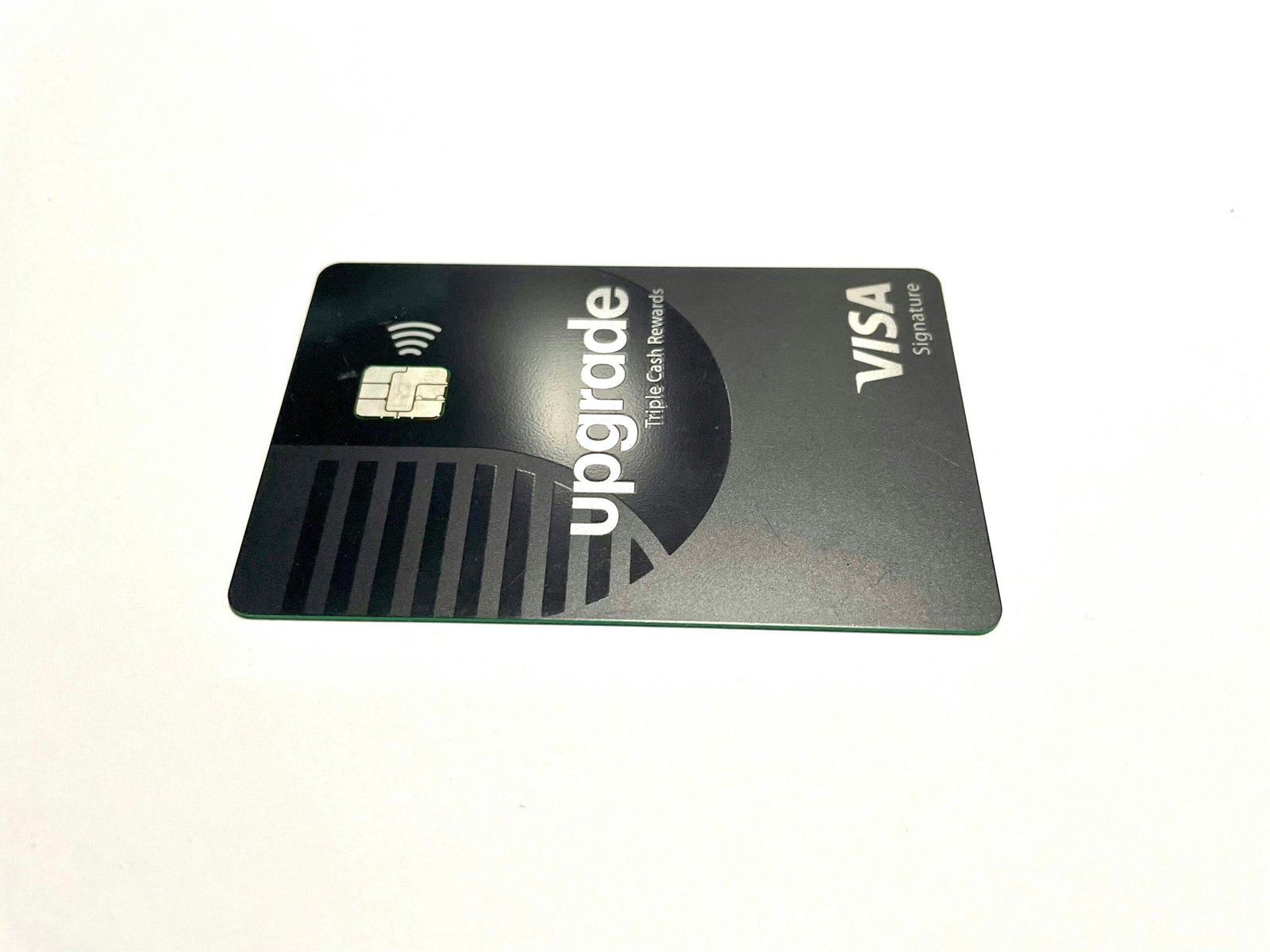
Understanding Cash Back Rewards
Cash back rewards are a type of incentive offered by credit card companies, allowing cardholders to earn a percentage back on their purchases. This straightforward reward system is popular among consumers because it provides immediate benefits for spending, making it an appealing alternative to travel points. Cash back rewards can be categorized into different programs: flat-rate cash back and tiered cash back.
Flat-rate cash back programs allow cardholders to earn a fixed percentage back on all purchases, typically ranging from 1% to 2%. This model is simple and can be beneficial for those who prefer a hassle-free rewards structure. For example, a card that offers 1.5% cash back on every purchase means that for every dollar spent, the cardholder earns 1.5 cents back, which accumulates over time.
On the other hand, tiered cash back programs offer varying percentages based on spending categories. For instance, a cardholder might earn 3% cash back on groceries, 2% on gas, and 1% on all other purchases. This structure can be advantageous for individuals who frequently spend in particular categories, as it maximizes potential rewards. Example cards in this category include popular options from major banks and credit unions that cater to diverse consumer needs.
The simplicity of cash back programs is one of their key benefits. Users can easily understand how much they are earning without the complexities often associated with travel points. When utilizing cash back, consumers can redeem their rewards for statement credits, direct deposits, or gift cards, providing flexibility in how the cash back is used. It is essential to consider individual spending habits when choosing a cash back card, as the optimal card will align with where one spends the most. Overall, cash back rewards offer a feasible and effective way to benefit from credit card usage.
Exploring Travel Points Rewards
Travel points are a type of reward earned through credit card purchases, which can be redeemed for various travel-related benefits such as flights, hotel stays, and rental cars. Unlike cash back rewards that offer a direct monetary return, travel points are often subject to loyalty programs tied to specific airlines and hospitality brands, making them a popular choice for frequent travelers.
These points can typically be accrued through everyday spending on a credit card, allowing cardholders to enhance their travel experiences without significant additional costs. Many credit cards offer generous sign-up bonuses in the form of travel points, which can be a significant consideration when choosing a rewards program. For instance, a credit card may offer 50,000 travel points upon meeting a spending requirement, often sufficient for a round-trip flight in the continental United States.
There are numerous travel loyalty programs available, including those from major airlines like Delta, American Airlines, and United, as well as hotel chains like Marriott, Hilton, and Hyatt. Each program has its nuances, including differing point values, redemption options, and partnerships that may maximize the utility of earned points. Additionally, some credit cards allow cardholders to transfer points to their preferred loyalty program, offering flexibility and potential for deeper savings and enhanced travel experiences.
However, it is essential to consider the potential drawbacks of travel points. There may be blackout dates when flights or hotel rooms are not available for redemption, which can limit options for travelers. Furthermore, points can often expire if not used within a specified timeframe, adding pressure to redeem them before losing value. Despite these challenges, those who strategically utilize travel points can unlock substantial benefits, making them a worthwhile consideration when comparing credit card rewards.
Comparative Analysis: Cash Back vs. Travel Points
When evaluating credit card rewards, two popular options stand out: cash back rewards and travel points. Both have unique advantages and potential drawbacks, making it essential to analyze them based on several criteria, including ease of use, flexibility, and value derived from each option.
Cash back rewards are often lauded for their simplicity. Consumers earn a percentage back on their purchases, typically ranging from 1% to 5% depending on the spending category. This straightforward model allows cardholders to redeem their rewards in the form of a statement credit, direct deposit, or gift card. For example, a traveler who frequently dines out may benefit from a card that offers 5% cash back on restaurant purchases, making it easy to see tangible benefits without needing to navigate complicated redemption processes.
In contrast, travel points can offer significantly greater value for those who leverage them wisely. Many travel reward programs provide bonuses for loyalty to specific airlines or hotel chains, allowing users to accumulate points faster. For instance, a family planning a vacation can potentially use travel points to book flights or hotel stays at reduced costs. When converted into travel rewards, points can offer a higher value compared to cash back, especially when redeemed during promotional periods or for high-cost travel options.
However, the flexibility of cash back rewards is a critical consideration. Users can utilize their earnings for any purchase, providing an immediate payoff. On the other hand, travel points may come with restrictions, such as blackout dates or limited availability, potentially complicating the booking process. It is crucial for individuals to assess their spending habits and travel preferences when deciding which option may be more suitable for them.
Ultimately, the choice between cash back and travel points rests on personal lifestyle and financial goals. Those who travel frequently and enjoy planning vacations may find travel points more beneficial, while casual consumers may prefer the immediate gratification offered by cash back rewards. Understanding these differences helps cardholders make informed decisions that align with their financial priorities.
Making the Right Choice for You
When deciding between cash back and travel points, it is essential to assess your individual financial situation and personal goals. Each reward type offers unique benefits that can influence your overall satisfaction with a credit card. Thus, understanding your lifestyle and spending habits is the critical first step in making an informed decision.
For those who frequently travel, travel points can provide significant savings on flights, accommodations, and related expenses. Evaluating how often you travel and your preferred destinations can help you determine if a travel rewards card aligns with your needs. On the other hand, if your spending habits revolve primarily around everyday purchases like groceries or gas, a cash back card may serve you better by providing immediate rewards applicable to your daily expenses.
Moreover, comprehending various reward structures is vital in maximizing your benefits. For example, some cash back cards offer higher rewards for specific categories, while travel rewards may have tiered systems depending on loyalty programs. Being aware of these intricacies prevents the potential pitfall of choosing a program that does not prioritize your spending patterns, resulting in unfavorable outcomes.
To optimize your rewards, consider strategic credit card usage. This might include using the right card for specific purchases or leveraging sign-up bonuses. Furthermore, an increasing number of consumers are discovering the benefits of a hybrid approach, utilizing both cash back and travel rewards credit cards simultaneously. This strategy allows cardholders to enjoy flexibility while maximizing the benefits from each option tailored to their diverse spending needs.
Ultimately, selecting the optimal reward program boils down to aligning your credit card choice with your personal financial habits and objectives. Careful consideration of these factors can ensure that you make the most of your credit card rewards, leading to enhanced financial well-being.