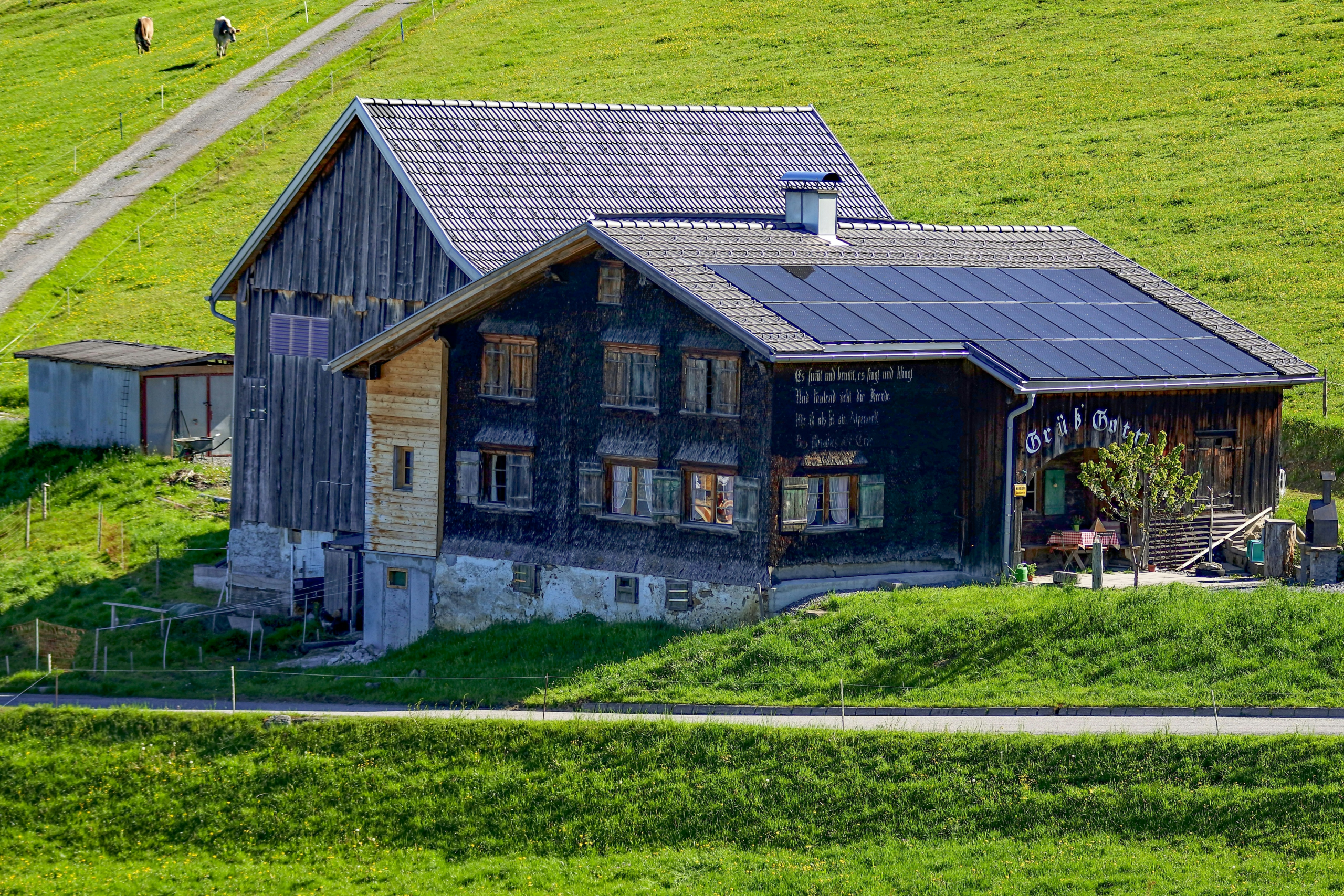
Introduction to USDA Home Loans
USDA Home Loans, also known as USDA Rural Development Guaranteed Housing Loans, are a unique financing option designed to promote homeownership in rural areas across the United States. Administered by the U.S. Department of Agriculture (USDA), these loans aim to make home buying more accessible for individuals and families residing in less densely populated regions. The program is particularly targeted toward low to moderate-income households who might struggle to qualify for traditional mortgage options.
One of the primary benefits of USDA home loans is that they allow eligible borrowers to finance their home purchase without a down payment, which can be a significant barrier for many aspiring homeowners. Additionally, these loans often come with competitive interest rates and reduced mortgage insurance costs, making monthly payments more manageable. The USDA’s role extends beyond just providing loans; it actively promotes sustainable rural communities by encouraging homeownership as a pathway to economic stability and community growth.
Unlike conventional mortgages, USDA loans are specifically tailored for rural and suburban home buyers, with an emphasis on the geographical eligibility of properties. To qualify, the property must be located in a designated rural area based on the USDA’s mapping criteria. This rural focus distinguishes USDA loans from other mortgage products, such as FHA or VA loans, which can be used in metropolitan areas. By targeting underserved populations in rural regions, the USDA seeks to bolster economic growth through homeownership while ensuring that families enjoy the social, economic, and educational benefits that come with living in stable housing.
Eligibility Requirements for USDA Home Loans
The United States Department of Agriculture (USDA) offers home loans aimed at assisting low to moderate-income individuals and families in purchasing homes in eligible rural areas. These loans are specifically designed to promote homeownership in less populated regions. To successfully apply for a USDA home loan, potential borrowers must adhere to several eligibility criteria, which can be categorized into income limits, property location requirements, and borrower qualifications.
Firstly, the income limits for USDA home loans are based on the median income of the area where the property is located. Typically, applicants must have a household income that does not exceed 115% of the area median income. For instance, if the median income for a specific rural area is $60,000, the applicant household income limit would be approximately $69,000. It is crucial for potential buyers to assess their household income, including all sources, to determine their eligibility.
Secondly, the property must be located in a designated rural area, as defined by the USDA. Generally, this encompasses areas with populations of 35,000 or fewer residents. To ensure compliance with this requirement, applicants can consult the USDA’s online property eligibility map. Properties that do not meet the rural designation are ineligible for funding under this program.
Lastly, borrower qualifications necessitate that the applicant demonstrates a reliable source of income and an acceptable credit history. While USDA loans offer more flexible credit requirements compared to conventional loans, a credit score of at least 640 is often recommended. Prospective borrowers should prepare their financial documentation and conduct a preliminary assessment of their credit history to confirm eligibility before initiating the loan application process.
Types of USDA Home Loans
The United States Department of Agriculture (USDA) offers several types of home loans designed to assist eligible rural homebuyers. These loans primarily aim to promote homeownership in rural areas, which can often suffer from lower housing market activity. The two primary types of USDA home loans are the Guaranteed Loan Program and the Direct Loan Program, each catering to different borrower profiles and needs.
The Guaranteed Loan Program is designed for moderate-income individuals seeking to purchase a home in designated rural areas. Under this program, approved lenders provide the financing, and the USDA guarantees a portion of the loan, minimizing the risk for lenders. The benefits include low interest rates, zero down payment requirements, and lenient credit score standards. This program is particularly advantageous for those who may have limited savings or intangible assets but maintain a reliable income.
On the other hand, the Direct Loan Program serves very low-income applicants who may not qualify for the guaranteed loans. These loans are funded directly by the USDA, providing lower interest rates and options for reduced monthly payments. The Direct Loan Program is beneficial for individuals and families experiencing financial hardships or those whose incomes fall below a certain threshold. While a higher percentage of the loan is typically subsidized, thus decreasing the mortgage payments to an affordable range, eligibility is determined based on income limits specific to family size.
In summary, understanding the differences between these two USDA home loan types is crucial for potential rural homebuyers. Choosing the right program can significantly impact the affordability and overall success of achieving homeownership in rural communities.
How to Apply for a USDA Home Loan
Applying for a USDA home loan can seem daunting, but understanding the steps involved can simplify the process for rural home buyers. The first step is to locate a USDA-approved lender. This can usually be done through the USDA’s official website, which lists approved lenders in your state. It is advisable to compare interest rates and terms from multiple lenders to ensure you are getting the most favorable conditions for your loan.
Next, gather the necessary documentation required for the application process. Typical documentation includes proof of income, tax returns, and information concerning your debts and assets. As USDA loans are aimed at low- to moderate-income applicants, your lender will assess your income against set limits to confirm your eligibility. Be prepared to provide documents that demonstrate your financial stability, including pay stubs, bank statements, and proof of employment.
Once you have located a lender and gathered your documents, the next step is to complete the application. Pay careful attention to each section of the application form, ensuring that all information is accurate and complete. An incomplete application can lead to delays in processing. It is also beneficial to maintain clear communication with your lender during this time; they can provide guidance on the information required and clarify any uncertainties during the application process.
After submitting your application, the lender will complete an appraisal of the property you intend to purchase. This step ensures that the home’s value meets or exceeds the price offered and that it complies with USDA property requirements. If approval is granted, you will move forward with closing the loan, where you will finalize all paperwork and receive the funding needed to purchase your new home.
Understanding the Costs Associated with USDA Home Loans
USDA home loans are a popular choice for individuals looking to purchase property in designated rural areas of the United States. While these loans offer several financial advantages, it is essential to understand the costs associated with them to make an informed decision. One of the primary aspects to consider is the interest rate, which is generally competitive and lower than conventional loans. This can result in significant savings over the life of the loan, making USDA loans an attractive option for eligible borrowers.
In addition to the interest rate, borrowers should be aware of the mortgage insurance requirement that accompanies USDA loans. Unlike conventional loans, USDA loans require an upfront mortgage insurance premium, which can be financed into the loan amount. There is also an annual mortgage insurance premium that is paid monthly, which is typically lower than that of FHA loans. These mortgage insurance costs are crucial to factor into your budget when considering a USDA loan.
Closing costs are another important aspect of the financial implications of obtaining a USDA home loan. While closing costs can vary depending on the state and specific lender, they generally range from 3% to 5% of the loan amount. It is important to note that USDA allows certain closing costs to be covered by the seller, which can alleviate some of the financial burden on the buyer. As with any mortgage, it is advisable to review the loan estimate provided by the lender to gain a comprehensive understanding of all potential costs associated with the loan.
When comparing USDA home loans to conventional loans, it is vital to take these costs into account. Generally, the lower interest rates and favorable mortgage insurance rates associated with USDA loans can provide significant savings for eligible homebuyers, making them a compelling option for rural home purchases.
Benefits of USDA Home Loans for Rural Buyers
USDA home loans offer numerous advantages tailored specifically for buyers in rural areas, making them an attractive option for purchasing a home. One of the most significant benefits is the availability of no down payment. This feature allows eligible buyers to finance up to 100% of the home’s purchase price, making homeownership a viable option for those who may struggle to save for a traditional down payment. Consequently, this assists many families in their journey toward owning a home in suburban and rural communities.
Another noteworthy advantage of USDA home loans is the lower mortgage insurance premiums. Compared to conventional mortgages, USDA loans typically require lower insurance premiums, which translates to reduced monthly payments for borrowers. This financial relief is critical for many rural buyers who may already face economic challenges.
Moreover, USDA home loans often come with favorable interest rates, which can make a significant difference in the overall affordability of a mortgage. These rates can be lower than those offered by conventional loan programs, making monthly payments more manageable for buyers. For example, a family seeking to purchase a home in a rural area may benefit from an interest rate of 3.5% compared to a rate of 4.5% that they might encounter with another loan type. Over the life of a loan, this difference can lead to substantial savings.
Real-life examples illustrate these benefits well. Take the Smith family, who were able to buy their first home in a rural area without a down payment, thanks to the USDA home loan program. They now enjoy a comfortable living situation, coupled with lower monthly bills due to the loan’s attractive terms. Such experiences underscore the unique advantages that USDA home loans offer to rural home buyers, enhancing their financial stability and quality of life.
Challenges and Considerations for USDA Home Loan Seekers
While USDA home loans offer significant advantages for rural home buyers, they also come with certain challenges and considerations that applicants need to be aware of. One primary limitation is the eligibility requirements, which can be strict. Prospective borrowers must meet specific income limits, which are typically set at 115% of the median income for the area. This can be a significant barrier for some individuals and families, particularly in regions where the median income is substantially lower.
In addition to income caps, USDA home loans are specifically designed for properties located in eligible rural areas. Consequently, potential buyers must thoroughly research geographical restrictions, as purchasing a home outside these designated areas will disqualify them from accessing this loan type. It may also require buyers to look beyond their immediate preferences or assumptions about suitable locations.
Ongoing costs represent another consideration when applying for USDA home loans. Though these loans often carry lower interest rates than conventional loans, they are subject to guarantee fees, which may change annually. Additionally, borrowers should factor in property taxes, insurance, and any potential homeowner association fees when evaluating the overall affordability of a USDA loan.
To navigate these challenges, prospective USDA home loan seekers can take several proactive steps. Thoroughly researching the eligibility requirements and consulting with a knowledgeable lender is crucial to understanding your situation and identifying suitable properties. Engaging with local real estate professionals who are well-versed in USDA loans can also provide invaluable assistance. Ultimately, by being well-informed and prepared, homebuyers can effectively address these challenges and capitalize on the benefits of USDA financing.
Frequently Asked Questions about USDA Home Loans
Prospective borrowers often have numerous questions regarding USDA home loans, especially those seeking to explore their options in rural areas. One common query is regarding the application timeline. Typically, the process may take anywhere from a few weeks to a couple of months, depending on various factors such as the lender’s procedures, the borrower’s preparedness, and the complexity of the application. It is advisable for borrowers to gather all necessary documentation upfront to facilitate a smoother process.
Another frequently asked question pertains to loan limits. USDA loans do not impose strict upper limits on loan amounts. Instead, the determination is made based on the applicant’s income, the projected mortgage payments, and local housing market conditions. Most USDA home loans are categorized as either Guaranteed Loans or Direct Loans, where specific limitations may apply based on individual circumstances.
The refinancing process for USDA loans can also be a point of confusion. Borrowers may seek to refinance their existing USDA loan to secure better terms or lower their monthly payments. Fortunately, USDA provides options for refinancing, particularly through a streamlined process that simplifies the requirements. This may allow qualifying homeowners to refinance without needing a new appraisal or complicated documentation.
Individuals frequently ask about income eligibility as well. To qualify, borrowers typically must meet moderate income guidelines established by the USDA, which vary by region. These criteria ensure that assistance is offered primarily to those with limited financial resources, paving the way for rural home ownership.
Overall, understanding these questions and answers can greatly assist prospective borrowers in navigating the complexities associated with USDA home loans, ultimately contributing to a more informed decision-making process.
Conclusion and Final Thoughts
In summary, USDA home loans present a unique opportunity for rural home buyers, providing access to affordable financing options that may not be available through conventional loan programs. These government-backed loans are designed specifically to encourage homeownership in qualifying rural areas, which can help revitalize communities and promote economic growth.
Throughout this guide, we have discussed the key features of USDA loans, including zero down payment options, flexible credit requirements, and competitive interest rates. These aspects make USDA loans an appealing choice for eligible borrowers looking to purchase residential properties in rural regions.
As potential home buyers consider their options, it is essential to understand the eligibility criteria and specific requirements associated with USDA loans. It is highly advisable for individuals and families interested in leveraging this financing option to engage with local lenders who are experienced with USDA programs. These professionals can provide tailored advice and guide applicants through the loan process, ensuring all necessary documentation is prepared and submitted correctly.
Furthermore, prospective home buyers are encouraged to contact USDA representatives to gain a deeper understanding of the program, including the latest updates and changes that may affect eligibility or loan terms. By taking proactive steps and seeking expert guidance, rural home buyers can confidently navigate the transition to homeownership through USDA loans.
Overall, embracing the potential of USDA home loans can unlock the door to homeownership for many who aspire to settle in rural communities. It is an opportunity worth exploring for those who meet the eligibility criteria and are ready to invest in their future.