Car loans are financial agreements that allow individuals to borrow money to purchase a vehicle, with the expectation that the loan will be paid back over time with interest. These loans typically involve a lender, such as a bank or credit union, providing funds to the borrower to cover the cost of the car, and in return, the borrower agrees to make monthly payments until the loan is fully repaid. Understanding the mechanics of car loans is essential for potential buyers, as it directly influences their financial well-being and purchasing power.
Car loans are structured with various terms that specify the duration of the loan, the interest rate, and the monthly payment amount. The term length significantly affects the total cost of the loan, as longer terms can lead to lower monthly payments but often result in higher overall interest paid. This is particularly relevant when comparing different loan lengths, such as a 72-month versus an 84-month car loan. Buyers should carefully evaluate their financial situations and needs to determine the most suitable loan term.
Additionally, understanding key concepts like annual percentage rate (APR), down payment, and loan-to-value ratio will aid potential car buyers in making informed decisions. A lower APR generally results in a cheaper loan over its duration, whereas a higher down payment can reduce monthly payments significantly. Evaluating these factors is crucial for negotiating better loan terms and managing the long-term affordability of owning a vehicle.
As the car loan market continues to evolve, it is important for buyers to stay informed about the various options available to them. This knowledge will not only help in selecting the right loan term but also equip buyers to navigate the complexities of financing a new vehicle effectively.
Understanding Loan Terms
When considering car loans, it is essential to familiarize oneself with common loan terms that play a significant role in the borrowing process. Among the most critical aspects are interest rates, principal amounts, and the duration of the loan. These factors not only influence monthly payment amounts but also impact the overall cost of the loan.
The interest rate refers to the cost of borrowing money and is usually expressed as a percentage. It can greatly vary based on credit scores, lender policies, and market conditions. Higher interest rates result in increased monthly payments and greater total repayment amounts over the life of the loan. Conversely, lower interest rates can lessen the financial burden, allowing borrowers to manage their payments more effectively.
The principal amount represents the actual sum borrowed, excluding any interest or fees. Understanding the principal is vital because it establishes the base figure upon which interest is calculated. A higher principal results in higher overall payments, whereas a lower principal may make a significant difference in terms of affordability.
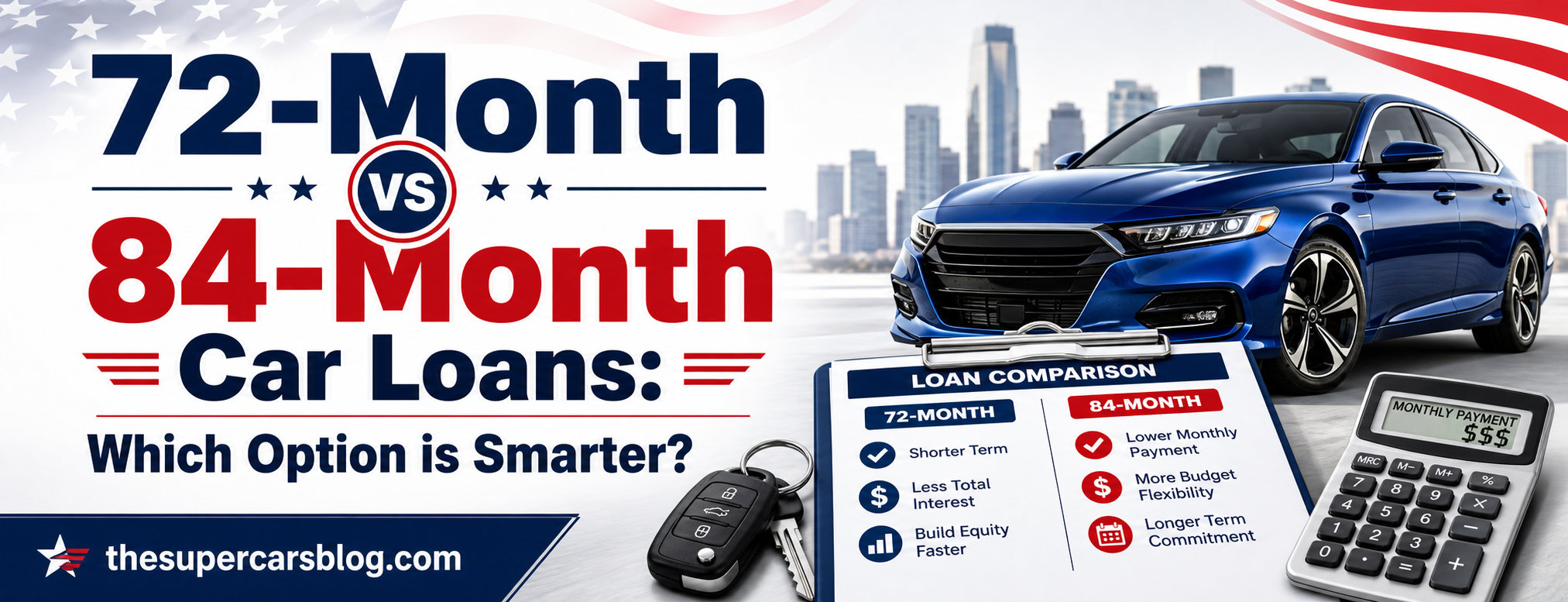
Loan duration is another significant consideration. Car loans typically range between 36 to 84 months. A longer-term loan, such as an 84-month loan, may yield lower monthly payments, making it more manageable on a short-term basis. However, it’s crucial to recognize that extending the loan duration can also increase the total interest paid over time. Therefore, while shorter-term loans (like a 72-month loan) may have higher monthly payments, they generally lead to lower cumulative interest costs.
In essence, understanding these loan terms empowers borrowers to make informed decisions regarding car financing. By evaluating interest rates, principal amounts, and loan durations, individuals can ascertain which car loan structure aligns with their financial circumstances and long-term goals.
The 72-Month Car Loan Option
A 72-month car loan is a popular choice among borrowers seeking to finance a vehicle over a longer period without incurring excessively high monthly payments. Typically, these loans come with various interest rates that can vary based on the lender’s policy and the borrower’s creditworthiness. As of recent trends, interest rates for 72-month car loans generally range from 4% to 7%, although this can be influenced by market conditions and individual borrower factors.
The monthly payment for a 72-month loan will depend primarily on the vehicle’s price, the down payment, interest rate, and any fees included in the loan. For instance, if one finances a $30,000 vehicle with a 5% interest rate over 72 months, the monthly payment may be approximately $485. Over the span of the loan, the borrower will contribute approximately $4,466 in interest, leading to a total repayment cost of around $34,466.
When considering a 72-month car loan, there are distinct advantages and disadvantages. A key benefit is the lower monthly payment, which can ease financial strain and make owning a car more accessible to a broader range of consumers. Furthermore, the extended term allows borrowers to invest in additional features or upgrades for their vehicle without overwhelming their budget.
However, there are downsides to this option as well. The longer repayment period often results in higher total interest over the lifespan of the loan, making the car more expensive in the long run. Additionally, drivers may find themselves upside down in their loan if the vehicle depreciates quicker than the loan balance is paid down. This situation could complicate future vehicle upgrades or trades. Prospective borrowers should weigh these factors carefully to determine if a 72-month car loan aligns with their financial goals.
The 84-Month Car Loan Option
The 84-month car loan, often considered as a viable alternative for buyers looking for more manageable monthly payments, extends the typical loan term significantly. One of the main features of an 84-month loan is the reduced monthly payment size, making it an attractive option for those on a budget. However, this extended duration often comes with its own set of implications regarding interest rates and the total cost of the vehicle.
Typically, interest rates for 84-month loans can range from moderate to high, influenced by factors such as the borrower’s credit score and market conditions. A longer loan term usually means that lenders will charge higher interest rates, as they perceive an increased risk over the extended repayment period. Hence, while the monthly payments may be lower, buyers might end up paying more in interest over the life of the loan compared to shorter-term options.
When analyzing the total cost, it is essential to consider the overall financial impact of an 84-month loan compared to shorter terms. With a larger overall interest expense, the total price paid for the vehicle may ultimately exceed the initial purchase price, making a longer-term loan an expensive way to finance a car.
Despite these drawbacks, there are several advantages to opting for an 84-month loan. For instance, the smaller monthly payments can free up additional funds for other expenses, thus providing more financial flexibility. Furthermore, this option might allow buyers to afford a more expensive vehicle that they may not have been able to finance under a traditional 60-month term.
However, potential buyers should weigh these factors carefully. Borrowers need to consider their long-term financial goals and whether the advantages of lower payments outweigh the disadvantages of increased total interest costs.
Comparative Analysis: 72-Month vs 84-Month
When evaluating car loans, one of the most critical decisions involves choosing between a 72-month and an 84-month loan term. At a glance, the duration of the loan significantly affects not only the monthly payment but also the total interest paid over the life of the loan. Understanding these implications is essential for making informed personal finance decisions.
For instance, a typical 72-month car loan offers a balance between manageable monthly payments and total interest costs. Borrowers generally find that their monthly payment is higher compared to an 84-month loan, which may attract those who prefer lower installments. However, it is important to note that the total interest paid over six years tends to be less than that of an 84-month loan. This is a crucial point for borrowers who prioritize minimizing long-term financial burdens.
In contrast, an 84-month loan offers extended repayment time, resulting in significantly lower monthly payments. While this may initially appear to be a more affordable option, the reality often includes paying substantially more in interest over the life of the loan. This increased financial obligation can impact personal budgeting and cash flow, leading many borrowers to reassess whether the immediate savings on monthly payments justify the long-term costs.
When comparing these two financing options, it is also essential to consider the depreciation of the car. Cars typically lose value quickly, and longer-term loans could result in owing more than the vehicle is worth if it depreciates faster than the loan is paid down. Thus, while the allure of lower monthly payments draws many individuals toward the 84-month option, the potential financial pitfalls should not be underestimated.
How Interest Rates Impact Your Loan Choice
When considering a car loan, the interest rate can significantly influence your overall financial commitment, especially when deciding between a 72-month or an 84-month loan. The interest rate determines how much additional money you will pay on top of the principal amount borrowed. Lower interest rates typically make loans more affordable, while higher rates can lead to substantial costs over the course of the loan.
For a 72-month car loan, the shorter repayment period often results in higher monthly payments but lower total interest paid over the life of the loan. If the interest rate is low, the total savings can be considerable. In contrast, with an 84-month loan, borrowers may enjoy smaller monthly payments, providing short-term financial relief. However, this option can result in a higher cumulative interest payment, particularly if the interest rate is elevated.
It is also important to consider how interest rates fluctuate. Economic factors, such as the Federal Reserve’s monetary policy, can lead to differing interest rates. If prevailing rates decrease, refinancing may be an option for those who initially chose a higher-rate loan. Conversely, in rising rate environments, locking in a lower rate early could prove advantageous.
The choice between a 72-month and an 84-month loan largely hinges on individual budgetary needs and long-term financial goals. Borrowers should carefully assess how interest rates affect loan affordability, the total cost over time, and their capacity to manage monthly payments. Ultimately, understanding the relationship between interest rates and loan terms can facilitate a more informed decision regarding which car loan option is the most prudent.
Financial Considerations Beyond Monthly Payments
When evaluating car loan options, particularly between 72-month and 84-month loans, it is essential to consider factors beyond the immediate monthly payment. While affordability is a significant aspect of financing a vehicle, it is only one element of the broader financial picture. Other important considerations include the total cost of the loan, the vehicle’s resale value, and the potential impact on one’s credit score.
First and foremost, the total cost of the loan should be a priority when selecting a financing term. A 72-month loan generally incurs less interest over its duration compared to an 84-month loan, primarily due to the shorter time frame for accruing interest. Although the smaller monthly payments of an 84-month loan may seem appealing, they often come at the cost of increased overall interest, which can significantly inflate the total cost of the vehicle over time.
Moreover, the resale value of the car is another critical variable that should be taken into consideration. Vehicles typically depreciate rapidly during the first few years of ownership. Choosing a longer loan term may extend the period before the car is fully paid off, which can lead to a scenario where you owe more than the vehicle is worth. This “negative equity” situation can be detrimental if the owner decides to sell or trade in the vehicle before the loan is settled.
Additionally, your credit score can be affected by the length of the loan. Lenders assess various factors when determining creditworthiness, and longer loan terms can influence your credit utilization ratio. A significant outstanding balance relative to your credit limits can negatively impact your score. Therefore, it is prudent to think about how much debt you are comfortable carrying and how it aligns with your overall financial health.
Advising on the Right Choice for Your Situation
Choosing between a 72-month and an 84-month car loan can be a challenging decision, particularly as it hinges on several personal factors including your budget, financial goals, and credit history. Understanding how these elements interplay will assist you in making an informed choice.
Initially, assess your budget. A shorter loan term, such as 72 months, typically results in higher monthly payments, which may strain your finances. Conversely, an 84-month term offers lower payments, making it easier to manage. However, this convenience often comes at the cost of higher total interest paid over the life of the loan, so consider the overall financial implications before deciding.
Your financial goals also play a key role in this decision. If you intend to keep the vehicle for a long duration, a longer loan may be justified. However, if you plan to upgrade vehicles frequently, a shorter loan could save you money in the long run. Additionally, factor in how a longer loan might influence your equity in the vehicle, as depreciation can lead to being upside-down on the loan if you owe more than the car is worth.
Lastly, your credit history can significantly impact your loan options. Borrowers with excellent credit are likely to qualify for lower interest rates, making longer terms less financially burdensome. It is advisable to review your credit report and, if necessary, take steps to improve your credit score before applying for a car loan.
When negotiating loan terms, always be prepared to shop around and compare offers from different lenders. Demonstrating your research and awareness of current market rates and terms could provide leverage in securing more favorable conditions. Remember, a vehicle is a significant investment; making a well-thought-out decision can enhance your financial well-being.
Conclusion and Final Thoughts
As we have explored throughout this discussion, the choice between a 72-month and an 84-month car loan presents various advantages and potential drawbacks. For many, a 72-month loan is appealing due to the shorter repayment period, which often results in lower overall interest paid and allows car owners to build equity more quickly. Those looking to pay off their debt efficiently may find this option to be more favorable.
On the other hand, the 84-month loan option may appear attractive due to its reduced monthly payment burden, making it a more manageable choice for some borrowers. This extended period, while offering immediate financial relief, can lead to higher total interest costs over the life of the loan, and in some cases, prolonged negative equity in the vehicle.
The decision between these two options ultimately hinges on an individual’s financial situation, including factors such as income stability, budget constraints, and personal financial goals. It is essential to evaluate one’s capacity to make consistent payments, as well as the implications of the loan terms on overall financial health.
In conclusion, while both loan terms can serve specific needs, potential car buyers are advised to conduct thorough research and reflect on their financial circumstances before making a commitment. By weighing the pros and cons of each option, individuals can make an informed decision that aligns with their budgeting strategy, ensuring that they are not only satisfied with their vehicle choice but also with their financing terms.