Introduction to Zero Down Payment Car Loans
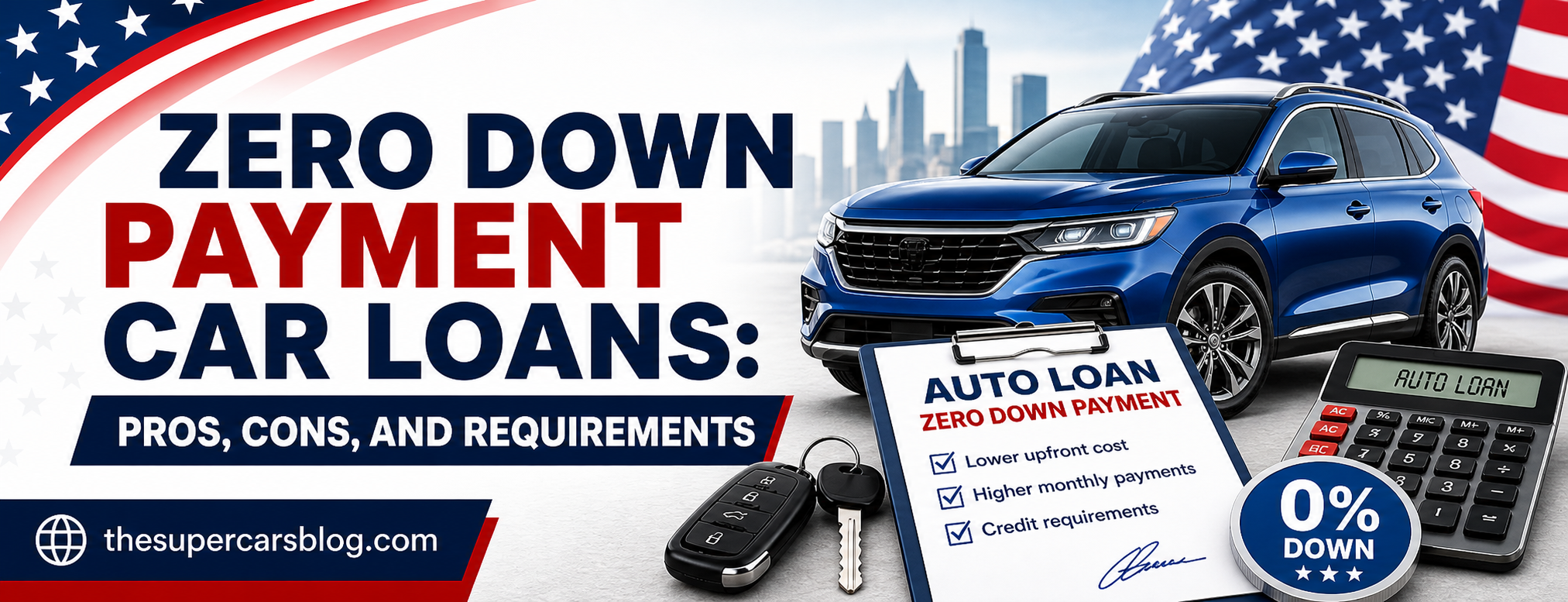
Zero down payment car loans have gained substantial traction in the automotive financing landscape, attracting numerous consumers looking for flexible purchasing options. These loans eliminate the need for an upfront payment, allowing potential car buyers to finance the entire purchase price of the vehicle without the burden of an initial cash outlay. This feature makes zero down payment car loans particularly appealing to individuals who may lack significant savings or are seeking to conserve their finances for other essential expenses.
The growth in popularity of zero down payment car loans can be attributed to several factors, including increased competition among lenders and the rising cost of vehicles. Many consumers find it challenging to amass a substantial down payment without depleting their savings or incurring debt. Consequently, lenders have begun to adapt to these market demands by offering more accessible financing solutions that cater to the needs of various buyers.
Additionally, zero down payment loans often come with competitive interest rates, making them an enticing choice for those concerned about affordability. However, prospective buyers should also consider the implications of financing a vehicle without an initial deposit. While these loans can provide immediate access to a vehicle, they may also lead to higher monthly payments and an increased overall cost due to interest compounded over a longer loan term.
Understanding zero down payment car loans is crucial for consumers looking to navigate their financing options effectively. It is essential to weigh the benefits against potential downsides to make informed decisions that align with one’s financial situation. This exploration of zero down payment car loans will delve deeper into their advantages, disadvantages, and requirements, enabling readers to approach their car buying journey with confidence.
Pros of Zero Down Payment Car Loans
Zero down payment car loans present several advantages that appeal to a diverse group of potential car buyers. One of the primary benefits is the concept of immediate ownership. By eliminating the need for a substantial down payment, individuals can acquire a vehicle without waiting to save funds, making it possible to drive off with a new or used car right away.
Another significant advantage is increased accessibility for buyers who may have limited savings. Many individuals face challenges in accumulating enough funds for a down payment, especially in today’s economic climate where expenses can quickly add up. Zero down payment car loans provide an opportunity for these buyers to enter the automotive market, fostering inclusivity and enabling them to own a vehicle which may enhance their overall mobility and lifestyle.
Additionally, opting for a zero down payment car loan can lead to improved cash flow for buyers. Without the immediate financial burden of a down payment, car owners can allocate their resources towards other expenses, such as insurance, maintenance, or fuel. This can be particularly beneficial for first-time buyers who may already be managing multiple financial responsibilities and need to maximize their budgeting flexibility.
For instance, consider a first-time car buyer who has just graduated and found employment. By choosing a zero down payment car loan, they can purchase a reliable vehicle quickly, facilitating an easier commute to work without having to deplete their savings. Their ability to maintain a budget is preserved, allowing them to allocate funds toward establishing a stable financial future.
Overall, zero down payment car loans offer substantial benefits including prompt vehicle ownership, financial accessibility for those with limited savings, better cash flow management, and favorable conditions for new car buyers. These favorable attributes are valuable in the consideration of automotive financing options.
Cons of Zero Down Payment Car Loans
While zero down payment car loans may seem appealing due to the immediate financial relief they offer, several disadvantages can significantly impact borrowers in the long term. One of the most significant drawbacks is the higher monthly payments that typically accompany these loans. When no down payment is made, the entire purchase price of the vehicle is rolled into the loan amount, resulting in larger installments that may strain a borrower’s budget.
Additionally, borrowers may face the risk of negative equity. When a vehicle is financed 100% without a down payment, it is possible for the car’s value to depreciate more quickly than the loan balance. This scenario can lead to a situation where the borrower owes more on the loan than what the car is worth, limiting their options if they wish to sell or trade in the vehicle.
Interest rates are another concern associated with zero down payment options. Typically, lenders charge higher interest rates on loans without a down payment, reflecting the increased risk they perceive. Consequently, this can exacerbate the overall cost of ownership, as borrowers may end up paying significantly more in interest over the life of the loan.
Lastly, the cumulative effect of these factors can adversely influence an individual’s overall financial health. Higher monthly payments and increased interest rates can restrict a borrower’s cash flow and hinder their ability to save for future goals or emergencies. Therefore, while the allure of zero down payment car loans is apparent, potential borrowers must carefully evaluate how these disadvantages can affect their financial situation in the long run.
Who Can Qualify for Zero Down Payment Car Loans?
Zero down payment car loans present an appealing option for prospective car buyers who may not have sufficient funds for a substantial down payment. However, there are specific qualifications and requirements that applicants must meet to secure such loans. Understanding these criteria is essential for anyone considering a zero down payment financing option.
First and foremost, credit score plays a significant role in determining eligibility. Most lenders prefer borrowers with a credit score of at least 620, as this score indicates a reliable history of managing debt. A higher score not only improves the chances of approval but may also result in better lending terms. Thus, it is advisable for applicants to check their credit reports and rectify any discrepancies before applying for a loan.
Another critical factor is income verification. Lenders typically require proof of stable income to ensure that applicants can meet their monthly repayment obligations. This may include recent pay stubs, tax returns, or bank statements. A steady employment history, particularly in the same job or industry for at least two years, is often viewed as an indicator of financial stability and can enhance an applicant’s chances of qualification.
Moreover, lending institutions have distinct policies concerning zero down payment car loans. While some may offer these loans to individuals with less-than-perfect credit, others might limit such options to borrowers with excellent credit histories. It is advisable for potential applicants to research various lenders and their specific requirements, as there could be significant variations in what each institution considers acceptable.
In summary, potential borrowers must maintain a good credit score, provide evidence of stable income, and understand the lending institution’s unique policies to qualify for zero down payment car loans. This comprehensive approach can help individuals navigate the financing process effectively.
How to Apply for a Zero Down Payment Car Loan
Applying for a zero down payment car loan involves several steps that can help streamline the process. The initial phase is organizing necessary documents. This typically includes proof of income, identification, and current address verification. Ensure your credit report is in good standing, as lenders will assess your credit history to determine eligibility and terms.
Once your documents are prepared, it is crucial to conduct thorough research on potential lenders. Not all financial institutions offer zero down payment options, so seek out those that explicitly include these loans in their services. Compare interest rates, terms, and any fees associated with the loan. Online research, customer reviews, and speaking directly with the lenders can provide valuable insights making you well-informed before proceeding.
Understanding the loan terms is another critical aspect of the application process. Review the interest rates, repayment periods, and any contingencies that may apply to the loan. Knowing these details will assist in making informed decisions and avoiding pitfalls later in the process.
When you feel ready, submit your application. Many lenders now offer online applications, making it a convenient option. Be prepared to provide your financial information and answer questions regarding your employment and credit history. After submission, lenders may take some time to review your application and conduct further assessments.
To make this application smoother, consider pre-approval options. Obtaining pre-approval from lenders gives you a clearer idea of how much you might be eligible for and can significantly expedite the loan acquisition process. Additionally, keep communication lines open with lenders throughout the evaluation stage to address any potential questions they may have.
Alternatives to Zero Down Payment Car Loans
For car buyers who are exploring options beyond zero down payment car loans, there are several alternatives worth considering. Each option comes with its own set of benefits and drawbacks, catering to different financial situations and preferences.
One of the most common alternatives is the traditional auto loan that requires a down payment. In this scenario, buyers are typically expected to make a down payment ranging from 10% to 20% of the vehicle’s purchase price. A significant advantage of this approach is that it may lead to lower monthly payments and reduced overall interest costs. By providing a down payment, the loan principal decreases, which can result in a more favorable loan-to-value ratio. However, this requires the buyer to have some savings set aside, which may not be feasible for everyone.
Another option is leasing a vehicle instead of buying. Leasing allows individuals to drive a new car for a specified period—usually two to three years—while making monthly payments. It often has lower upfront costs compared to purchasing a vehicle, and some leasing agreements may not require any down payment. This arrangement can be ideal for those who prefer driving newer models with the latest features. However, leasing comes with restrictions, such as mileage limits and potential charges for excessive wear and tear upon return of the vehicle.
Lastly, government assistance programs, such as those for first-time buyers or low-income individuals, can also provide viable alternatives. These programs may offer reduced financing rates or grants to help with down payments. However, eligibility criteria and availability can vary significantly based on location and individual circumstances.
In conclusion, while zero down payment car loans may seem attractive, traditional auto loans, leasing options, and government assistance programs offer valuable alternatives for those looking to finance a vehicle. Analyzing each option’s pros and cons is essential in making an informed decision that aligns with one’s financial goals and capabilities.
Tips for Managing a Zero Down Payment Car Loan
Managing a zero down payment car loan can be a smooth process with the right strategies in place. First and foremost, budgeting is crucial. Start by analyzing your monthly income and expenses to understand how much you can allocate to your car payments. Include not just the monthly loan payment, but also other costs such as insurance, fuel, maintenance, and potential repair costs. A comprehensive budget will help ensure that you remain within your financial means, making the management of your car loan easier and more efficient.
Timely payments are another essential aspect of managing your loan effectively. Set up reminders or automate payments to avoid missing due dates, as late payments can incur penalties and negatively affect your credit score. Consistently making payments on time demonstrates financial responsibility and can even help you qualify for better interest rates in the future.
Understanding how interest rates are calculated on your loan is also important. Interest on car loans can be simple or compound, depending on the lender. Familiarize yourself with the specifics of your loan terms, including the Annual Percentage Rate (APR). Knowing how your payments are applied to the total loan balance can help you anticipate the timeline for paying off the vehicle.
Additionally, consider adopting financial strategies to minimize interest costs. If your financial situation allows, making extra payments or refinancing later on could provide significant savings. Paying off small amounts whenever possible can also reduce the principal balance, effectively lowering the total interest paid over the life of the loan.
In conclusion, managing a zero down payment car loan requires careful planning and regular financial discipline. By budgeting adequately, ensuring timely payments, understanding your loan’s interest calculations, and employing smart financial strategies, you can navigate your car loan effectively while minimizing potential pitfalls.
Common Myths About Zero Down Payment Car Loans
Zero down payment car loans have become a popular option for many individuals considering vehicle financing. However, several myths and misconceptions surround them, often leading potential borrowers to hesitate. First and foremost, one prevalent myth is that zero down payment loans automatically lead to higher interest rates. While it is true that lenders may adjust rates based on the loan structure, a zero down payment does not inherently equate to more expensive financing. The overall loan amount, creditworthiness, and market conditions play significant roles in determining interest rates.
Another common misconception is that zero down payment loans mean buyers will be trapped in negative equity. Negative equity occurs when the vehicle’s value depreciates faster than the loan balance decreases. In reality, a zero down payment can sometimes help buyers avoid financial strain, enabling them to maintain manageable monthly payments. Additionally, buyers can mitigate the risk of negative equity by selecting a dependable car and considering the resale value at the time of purchase.
Some consumers also believe that zero down payment loans posits hidden fees or steep penalties. While transparent communication about costs is critical, many reputable lenders offer clear terms. It is essential for borrowers to thoroughly read the loan agreement and ask questions regarding fees associated with late payments or early payoff. Furthermore, there is a myth that these loans are exclusively available to those with excellent credit. In fact, various lenders cater to a spectrum of credit scores, albeit terms may vary based on the borrower’s financial profile.
In dispelling these myths, it becomes evident that a zero down payment car loan can be a viable option for many buyers, provided they understand the terms and implications fully. Knowledge and due diligence are crucial in making informed financial decisions in today’s car-buying landscape.
Conclusion: Is a Zero Down Payment Car Loan Right for You?
In evaluating the option of a zero down payment car loan, it is essential to consider both the benefits and drawbacks of this financing choice. On the one hand, zero down payment loans can make purchasing a vehicle more accessible, particularly for those who may not have sufficient savings for a down payment. This kind of loan allows borrowers to acquire a vehicle without upfront capital, making it an appealing choice for individuals in urgent need of transportation.
Additionally, these loans might facilitate a quicker purchase process, enabling borrowers to secure a vehicle they require immediately. However, such loans generally come with higher interest rates and monthly payments, which could escalate the overall cost of the vehicle over time. Furthermore, securing a zero down payment car loan may require a higher credit score, which might limit eligibility for some borrowers.
It is equally important to reflect on your personal financial situation. Assessing your monthly budget, existing debts, and overall financial health can provide insight into whether this type of loan aligns with your goals. Another aspect to consider is the necessity of the vehicle in your life. If transportation is crucial for your job or daily responsibilities, the benefits of a zero down payment option may outweigh the potential financial burdens.
Ultimately, the decision to pursue a zero down payment car loan should be made after careful consideration of both the pros and cons as well as an honest evaluation of your financial circumstances. Making an informed choice will help ensure that you select a financing option conducive to your long-term financial stability and vehicle reliability.