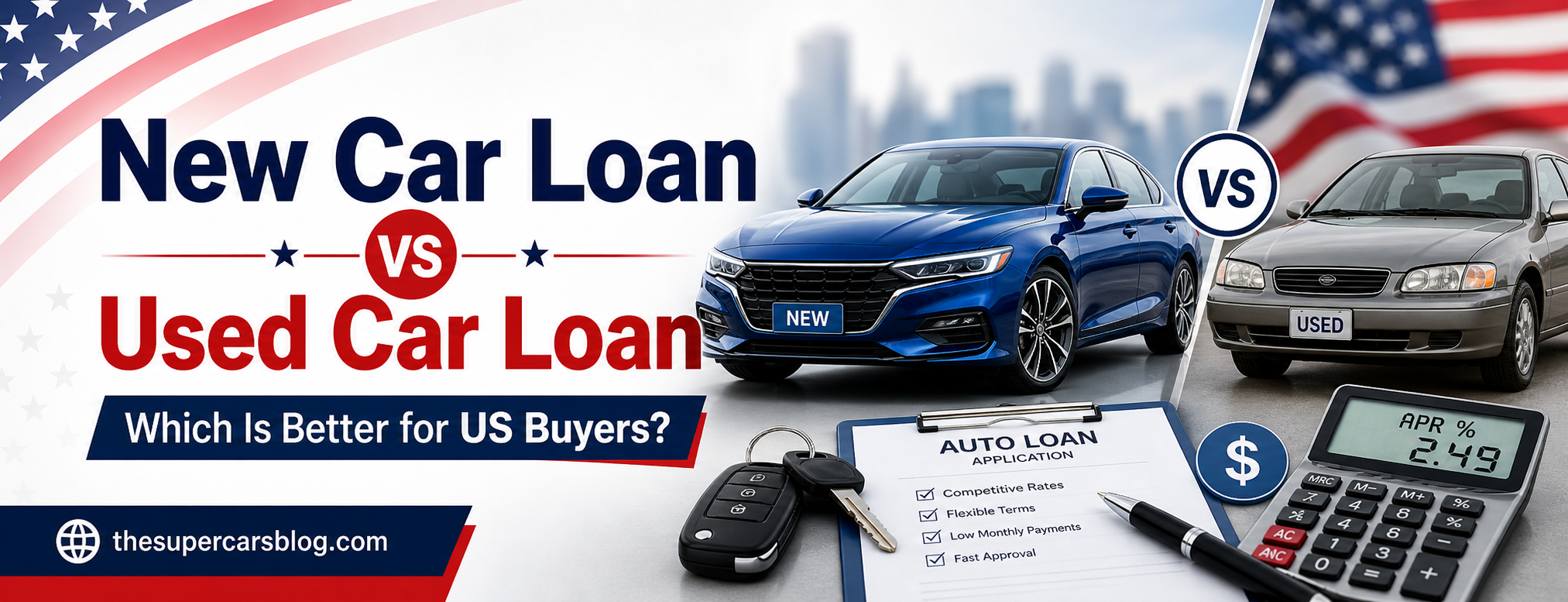
Car loans are a popular financing option for individuals looking to purchase a vehicle. Essentially, a car loan is a type of installment loan that allows buyers to borrow money specifically for the acquisition of a car. The borrower agrees to repay the lender over a set period, typically characterized by fixed monthly payments inclusive of both principal and interest.
When considering a car loan, borrowers will encounter two primary types: new car loans and used car loans. New car loans are specifically designed for the purchase of brand-new vehicles, often offering lower interest rates and longer loan terms due to the vehicle’s high initial value. Conversely, used car loans cater to buyers purchasing pre-owned vehicles, generally coming with slightly higher interest rates given the depreciation factor associated with used cars.
Key terms associated with car loans include the annual percentage rate (APR), which represents the cost of borrowing expressed as a yearly interest rate, and the loan term, which refers to the time duration over which the loan will be repaid—commonly ranging from 36 to 72 months. Monthly payments are calculated based on these factors, along with the loan amount and any down payment made by the borrower.
The interest rates on car loans can vary significantly depending on the borrower’s credit score, loan amount, and overall market conditions. To obtain the best rates, it is advisable for potential borrowers to shop around, compare offers from different lenders, and consider their credit health prior to making a decision. Understanding these components of car financing can aid buyers in making informed purchases, ensuring they select the most suitable loan options for their financial situation.
Pros and Cons of New Car Loans
Taking out a new car loan can present a range of benefits and challenges for consumers. One of the primary advantages is the access to the latest technology and features that come with new cars. Manufacturers continuously innovate, equipping newer models with advanced safety features, infotainment systems, and enhanced fuel efficiency. This can lead to a more enjoyable and safer driving experience. Furthermore, new cars typically come with manufacturer warranties, which can cover substantial repair costs within the initial years of ownership, providing peace of mind to buyers.
However, these advantages must be weighed against several drawbacks. One of the most significant concerns is the higher initial cost associated with new vehicles compared to their used counterparts. Car loans for new cars often involve larger loan amounts, leading to higher monthly payments, which can strain a buyer’s budget. Additionally, new vehicles depreciate rapidly, losing as much as 20-30% of their value within the first year. This depreciation can create a discrepancy between the car’s loan balance and its market value, known as being upside-down in a loan.
Insurance costs for new vehicles can also be higher, as newer models may require more comprehensive coverage which translates to increased premiums. Statistically, new car loans also tend to have slightly lower interest rates compared to used car loans; however, these rates can vary widely based on credit scores and market conditions. For instance, according to a recent survey, buyers with excellent credit can secure new car loans at rates as low as 3%, whereas those with average credit may face rates upwards of 6% or more. Understanding these factors is crucial when deciding whether to pursue a new car loan.
Pros and Cons of Used Car Loans
When considering a used car loan, buyers should weigh the advantages and disadvantages of financing a pre-owned vehicle. One of the principal benefits is the lower purchase price. Used cars generally cost significantly less than new models, allowing buyers to save money or acquire a higher-quality model within their budget. Additionally, used vehicles experience reduced depreciation rates. New cars typically lose 20% to 30% of their value within the first few years, while used cars already have passed this steep depreciation threshold, enabling buyers to retain their investment better over time.
Another advantage is lower insurance costs. Insurance premiums for used cars tend to be more affordable than those for new vehicles, as the value of the car directly impacts the insurance rate. This reduction in costs can lead to substantial savings over the life of the loan.
However, there are certain drawbacks associated with used car loans. One notable concern is the potential need for repairs. Pre-owned vehicles may carry wear and tear or require maintenance, which can add to overall ownership expenses. Furthermore, financing options for used cars may be more limited, with fewer lenders willing to approve loans compared to the extensive offerings for new car loans. This limitation can lead to higher interest rates, making financing less attractive.
Another potential issue is the condition of the car itself. Buyers must conduct thorough research and inspections to ensure their selected vehicle is reliable. To choose a dependable used car, prospective buyers should consult trusted online reviews, obtain vehicle history reports, and consider having a certified mechanic inspect the vehicle prior to purchase. By taking these precautions, buyers can mitigate some of the risks associated with used car loans and enjoy the advantages of acquiring a pre-owned vehicle.
Making the Right Decision: New vs Used Car Loan
When it comes to selecting between a new car loan and a used car loan, various personal circumstances play a pivotal role in determining the most suitable choice. By evaluating your financial situation, lifestyle needs, and long-term goals, you can make an informed decision that aligns with your requirements.
The first factor to consider is your budget. New cars often come with higher price tags and subsequently larger loans, which can lead to higher monthly payments. In contrast, used cars generally present more affordable options, allowing you to either spend less on a vehicle or potentially make a larger down payment, thereby reducing the loan amount. Analyzing the total cost of ownership, including insurance, maintenance, and taxes, is vital in determining what fits best within your budget.
Next, assess your long-term financial goals. If you view your car as a temporary asset, a used car loan might be more advantageous, especially since depreciation happens most rapidly during the first few years. However, if your intent is to keep the vehicle for several years, investing in a new car might yield reliability and potentially lower maintenance costs.
Your lifestyle needs should also be factored into your decision. If you require advanced features or the latest technology for commuting, a new car might preemptively meet these demands. Conversely, if you prioritize simplicity and lower costs, exploring used car options may provide a practical solution.
Furthermore, your credit profile influences the interest rates you’ll be offered for both types of loans. Generally, new car loans tend to have lower interest rates, which can affect your overall payment plan. Considering all these variables ensures a balanced approach, empowering you to make a reasoned decision that caters to your individual needs in the realm of car ownership.