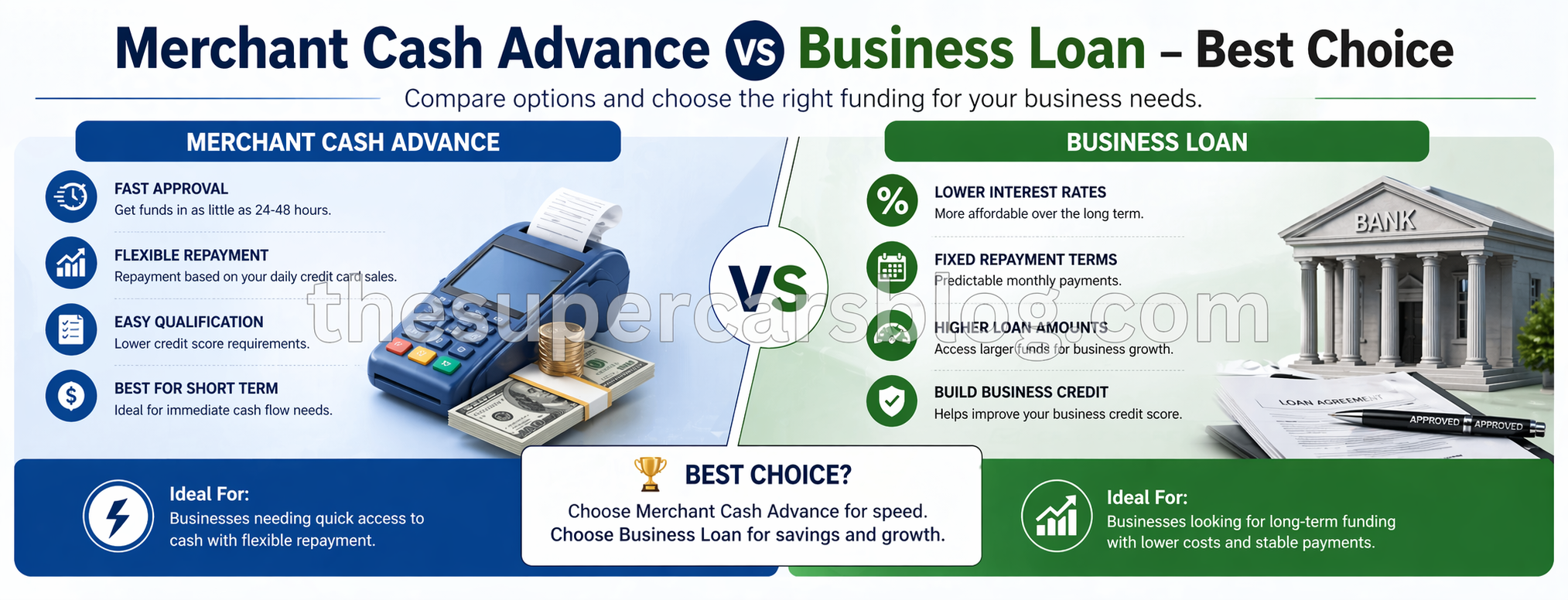
Merchant cash advances (MCAs) represent a unique form of financing that allows businesses to receive a lump sum of cash in exchange for a percentage of future credit card sales or revenue. Unlike traditional loans, MCAs do not require fixed monthly repayments. Instead, the repayment process is tied directly to the daily or weekly credit card sales, making it a flexible option for businesses with fluctuating revenue.
The application process for a merchant cash advance is generally straightforward, often requiring only basic financial documentation and proof of business revenue. Many lenders can provide funding within a short period, sometimes as quickly as 24 hours, which is a significant advantage over conventional business loans that often involve lengthy approval times.
Eligibility for MCAs typically hinges on a business’s average monthly credit card sales and overall revenue, rather than its credit score. This can make MCAs accessible for businesses that may struggle to qualify for traditional financing due to poor credit history or lack of collateral. However, it is crucial to note that the cost of MCAs can be substantially higher than traditional loans due to the rapid funding and flexible repayment terms.
There are several advantages to using merchant cash advances. One of the key benefits is the speed of funding, which allows businesses to address pressing financial needs promptly. Additionally, because repayments vary with sales, businesses are not burdened by fixed obligations during slower sales periods. However, the drawbacks include high fees and potentially high annual percentage rates (APRs), which may make this option expensive in the long run.
Ultimately, while MCAs can provide quick and accessible funding, businesses must carefully assess their revenue projections and financial situation to determine whether an MCA aligns with their long-term financial strategy.
Exploring Business Loans
Business loans are a fundamental financial tool for entrepreneurs seeking to grow or sustain their operations. These loans can be broadly classified into two categories: secured and unsecured loans. Secured loans require borrowers to pledge collateral, such as property or equipment, which reduces the lender’s risk but increases the borrower’s commitment. Conversely, unsecured loans do not require collateral, which may appeal to businesses lacking substantial assets, though they often come with higher interest rates due to the increased risk for lenders.
When considering financing options, it’s essential to differentiate between short-term and long-term business loans. Short-term loans typically have repayment periods ranging from a few months to a couple of years, making them suitable for urgent needs such as inventory purchases or managing cash flow. In contrast, long-term loans often extend beyond three years, providing capital for expansion projects or significant investments, albeit with a longer repayment duration.
The application process for business loans generally involves detailed documentation, including financial statements, credit histories, and business plans. Lenders assess various criteria, including credit rating, which plays a crucial role in determining loan eligibility and interest rates. Typical interest rates vary based on the type of loan and the borrower’s creditworthiness, affecting the overall cost of capital and monthly payments.
One of the primary advantages of securing a business loan is the potential for lower overall interest rates compared to alternative financing methods, such as Merchant Cash Advances (MCAs). However, the drawbacks include stringent application processes and the requirement for a stable credit rating. Additionally, the structured repayment schedule can be challenging for some businesses, particularly during slow periods.
Comparative Analysis: MCA vs Business Loan
When evaluating financing options for businesses, two popular choices are merchant cash advances (MCAs) and traditional business loans. Understanding their respective characteristics can significantly impact a business’s financial decision-making process.
Cost is a crucial factor when comparing MCAs and business loans. MCAs typically involve higher costs; they are often associated with factor rates rather than interest rates, leading to a potentially steep repayment amount. Conversely, traditional business loans generally offer lower interest rates, making them more cost-effective for long-term financing. This difference in cost can be pivotal for businesses aiming to minimize their overall financial burden.
Flexibility is another area where these financing options diverge. MCAs provide a more flexible repayment structure, as repayments are directly tied to the business’s daily credit card sales. This means that during slower sales periods, businesses can pay less, providing some relief during challenging times. On the other hand, business loans often require consistent monthly payments, which may place additional stress on cash flow.
Repayment methods further distinguish these two options. MCAs utilize a percentage of daily credit card sales for repayments, allowing businesses to adapt to fluctuating sales levels. In contrast, traditional loans generally involve fixed monthly installments, which can strain resources during off-peak periods but provide a predictable repayment schedule.
The speed of access to funds is another significant consideration. MCAs can offer funds relatively quickly, often within a few days or even hours, making them an appealing choice for businesses that require immediate cash. Business loans, while potentially offering larger amounts, often take longer to process and disburse funds due to thorough credit evaluations and documentation requirements.
Ultimately, the suitability of these financing options depends on the specific needs and circumstances of the business. Small businesses or those with irregular income may find that an MCA better meets their needs, while established companies could benefit from the lower rates and longer repayment terms typically associated with traditional loans.
Making the Right Choice for Your Business
Deciding between a merchant cash advance (MCA) and a traditional business loan is a critical step that can significantly impact your business’s financial health. The right choice largely depends on your specific business needs, financial situation, and long-term goals. It is crucial to thoroughly evaluate each funding option before making a decision.
Start by assessing your immediate cash requirements. If your business experiences fluctuating revenues or if you require a swift infusion of cash to address unexpected expenses, a merchant cash advance may be more suitable. With an MCA, you can gain quick access to capital without lengthy approval processes typical of traditional loans. However, keep in mind that the cost of capital in MCAs can be substantially higher. Consider this factor if the urgency of your cash needs is less pressing.
Next, review your financial circumstances. Traditional business loans often offer lower interest rates and longer repayment terms than MCAs, which can make them a more affordable option over an extended period. Businesses with strong credit histories and stable revenue streams should explore this option first, as it can provide a more sustainable path to financing. On the other hand, businesses with poor credit may find MCAs more accessible, despite their higher costs.
Long-term goals also play a vital role in the decision-making process. If you aim for growth and require ongoing funding, a business loan can provide a reliable foundation. Conversely, if your funding needs are sporadic and you prefer flexible repayment based on cash flow, an MCA might be preferable.
Consider case studies of businesses in your industry. For instance, a retail store experiencing seasonal sales might benefit from a merchant cash advance during peak seasons, while a technology firm might secure a low-interest business loan for expansion purposes. Ultimately, aligning your choice with your unique business scenario will ensure that you make the best financial decision.