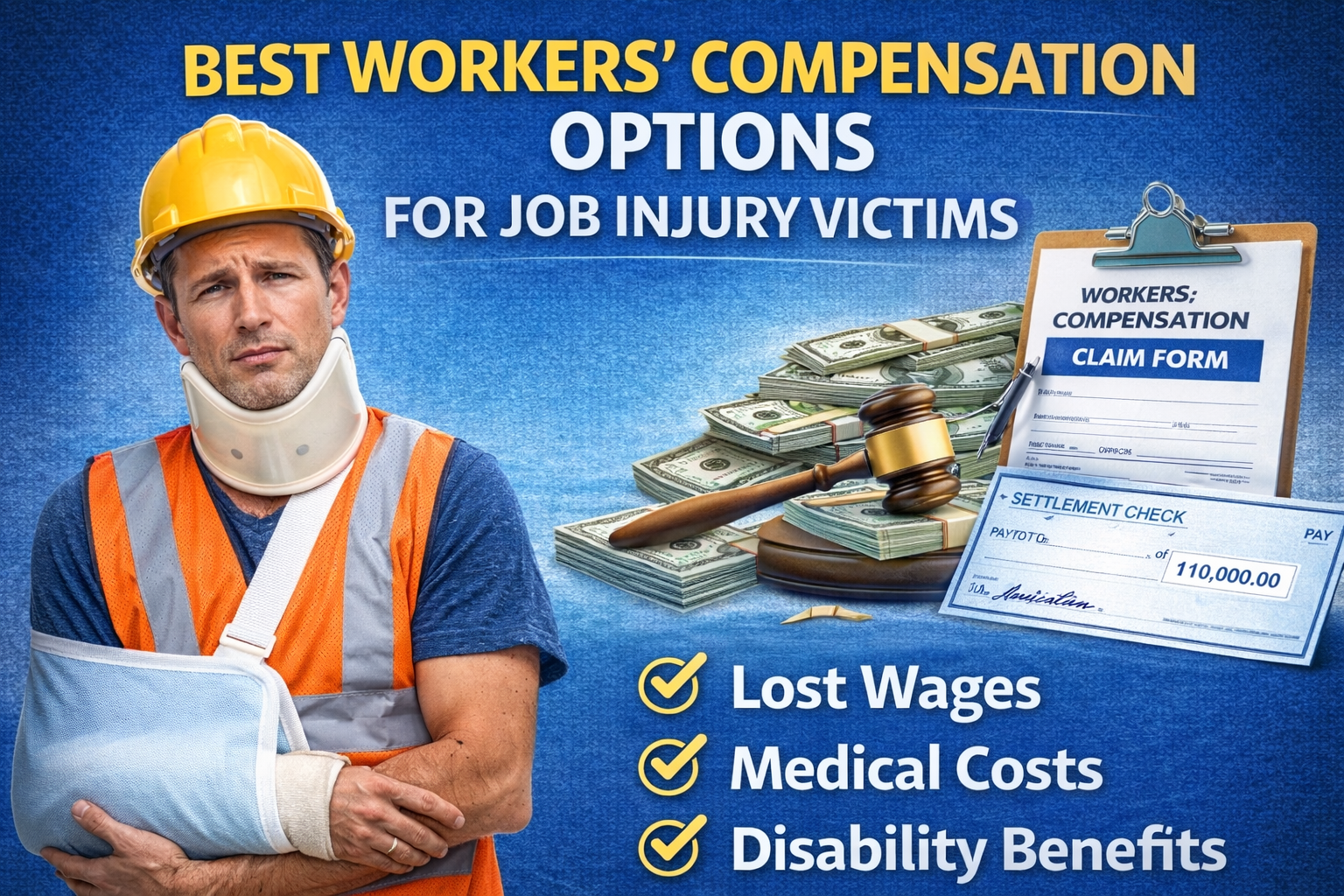
Understanding Workers’ Compensation
Workers’ compensation is a system designed to provide financial and medical assistance to employees who suffer injuries or illnesses as a direct result of their job. The primary objective of this system is to ensure that workers receive the necessary support without the need for litigation, allowing them to focus on recovery and return to work. Essentially, it serves as a safety net, promoting employee welfare and occupational health.
The benefits of workers’ compensation are manifold. They typically include coverage for medical expenses related to the injury, wage replacement during periods of absence from work, and vocational rehabilitation services. This structure not only aids the injured workers but also mitigates the potential for costly lawsuits against employers, creating a balanced legal environment for both parties.
Workers’ compensation laws vary significantly by state, but they generally encompass several fundamental principles. Firstly, most employees are automatically covered by their employer’s workers’ compensation insurance, regardless of fault. This no-fault system emphasizes protection; it allows injured employees to receive benefits promptly without needing to prove negligence on the employer’s part. However, eligibility criteria do exist, usually requiring employees to be classified as full-time or part-time workers engaged in covered employment.
Moreover, specific types of coverage under workers’ compensation laws can include medical benefits, disability benefits, and death benefits for dependents. Understanding these components is crucial for both employees and employers, as it creates an awareness of their rights and responsibilities. Ultimately, workers’ compensation is vital for protecting employees who encounter job-related injuries, fostering a healthier, more secure workplace environment.
Types of Workers’ Compensation Benefits
Workers’ compensation is an essential system designed to support individuals injured while performing their job duties. The benefits available under this system can significantly alleviate the financial burden that comes with workplace injuries. Understanding these benefits is crucial for injured workers navigating the compensation process.
The first major type of benefit is medical benefits. These cover the costs associated with medical treatment needed to recover from a work-related injury or illness. This may include hospital visits, surgeries, medication, and rehabilitation services. Generally, any employee who sustains a job-related injury is eligible for these benefits, provided they file a claim promptly and their injury is verified as work-related.
Next, wage replacement benefits are crucial for individuals unable to work due to their injuries. These benefits often replace a portion of the employee’s lost wages, ensuring they can sustain their standard of living during recovery. Typically, injured workers receive wage replacement payments after a waiting period, and the amount varies based on the individual’s prior earnings.
Disability benefits are classified into short-term and long-term categories and assist workers with more chronic or enduring conditions that inhibit their ability to work. To qualify, the injury or illness must significantly limit one’s functional capabilities, and medical evidence must support the claim.
Vocational rehabilitation benefits aim to help injured workers return to the workforce in a suitable capacity. This may include retraining programs, job placement services, or other resources designed to facilitate a smooth transition back to work. Finally, death benefits are available to the dependents of workers who sadly lose their lives due to work-related incidents. These benefits typically cover funeral expenses and provide financial support for surviving family members.
Each type of benefit has its eligibility criteria and application processes, making it crucial for injured workers to understand their rights and the specific requirements needed to secure these benefits effectively.
Navigating the Claims Process
The workers’ compensation claims process can often be confusing and overwhelming for job injury victims. However, understanding the steps involved can significantly improve the chances of a successful claim. The first step in the process is to report the injury to your employer as soon as possible. It is essential to provide detailed information regarding the incident and the nature of the injuries sustained.
Once the injury has been reported, the next step is to file a formal claim. Most states have specific forms that must be filled out to initiate the claim process. It is crucial to gather all necessary documentation to support the claim. This includes medical records, incident reports, and any witness statements. These documents will serve as evidence in validating the claim.
During this process, it is important to be aware of potential pitfalls. Common mistakes include missing deadlines for filing claims or providing incomplete information. Each state has its own rules regarding claims processing timelines, so be sure to familiarize yourself with these regulations. To avoid unnecessary delays, it is advisable to keep copies of all submitted documents and maintain a clear communication channel with your employer and the workers’ compensation insurer.
If a claim is denied, there are options available for appealing the decision. Review the denial letter carefully to understand the reasons behind the decision. Often, a claim may be denied due to a lack of documentation or an oversight in the claim process. In such cases, it may be beneficial to consult with an attorney specializing in workers’ compensation to assist with the appeal process. By being well-informed and prepared, job injury victims can better navigate the claims system and improve their chances for compensation.
Choosing the Right Compensation Option
When navigating the best workers’ compensation options for job injury victims, several critical factors must be thoroughly evaluated. One of the primary considerations is the workplace safety policies implemented by the employer. Employers with comprehensive safety protocols tend to lower the incidence of workplace injuries, which may influence the compensation options available. Conversely, workplaces lacking in safety measures may face higher rates of claims, potentially resulting in different compensation arrangements.
Additionally, the state-specific laws governing workers’ compensation play a pivotal role in shaping the compensation landscape. Each state has its regulations and statutory provisions regarding benefits, coverage limits, and the claims process. Understanding the nuances of these laws is essential because they dictate the rights of injured workers when seeking compensation. Factors such as the severity of the injury, the types of benefits available, and the timelines for filing claims can vary significantly from one jurisdiction to another.
Employer insurance plans also impact the compensation options available to employees. Many employers carry workers’ compensation insurance that may include various coverage types, such as temporary disability benefits or medical expense reimbursement. It is crucial for employees to familiarize themselves with their employer’s insurance policy, as the specifics of such coverage can greatly affect the outcome of a claim.
Furthermore, consulting with legal professionals, including attorneys specializing in workers’ compensation, can provide significant advantages. These experts can help victims navigate the complexities of their cases, ensuring that they receive fair compensation for their injuries. Similarly, collaboration with workers’ rights advocates can empower employees to understand their entitlements more clearly. Overall, making informed decisions regarding workers’ compensation claims is vital to securing the most suitable compensation options based on individual circumstances.