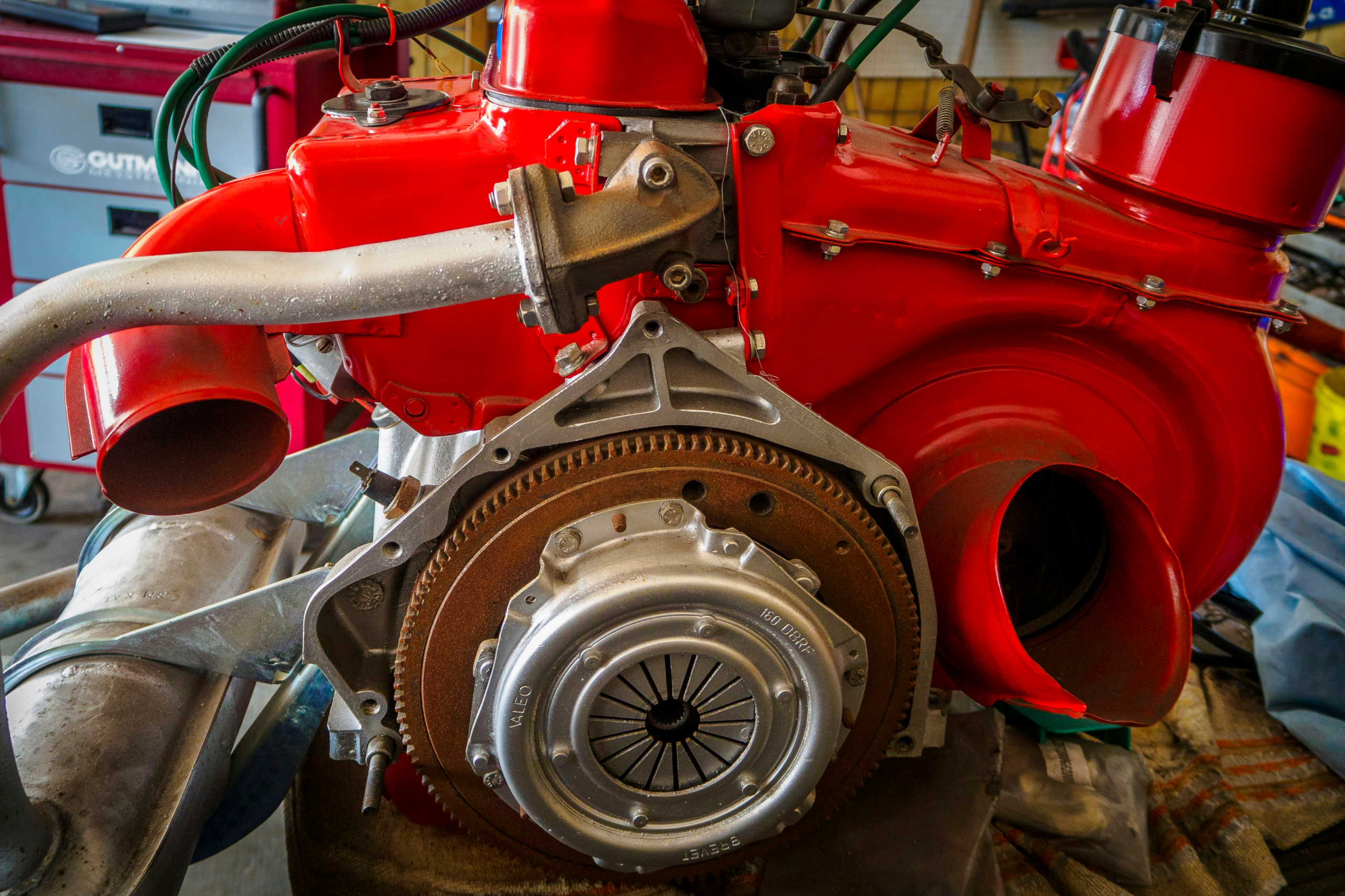
Understanding Engine Replacement: When is it Necessary?
Determining whether an engine replacement is necessary can often be a challenging decision for vehicle owners. Several critical scenarios and signs can indicate that a complete engine replacement might be the most sensible course of action. One of the primary reasons for this drastic measure is severe engine damage. This can arise from various causes such as overheating, neglect of regular maintenance, or manufacturing defects, leading to issues like cracked engine blocks or damaged internal components.
Another significant sign indicating the need for engine replacement is excessive oil consumption. If a vehicle is consuming oil more rapidly than normal, it could signify serious underlying issues such as worn piston rings or damaged valve seals. Frequent refilling of oil can not only lead to increased maintenance costs but can also result in further damage to engine components if left unchecked. Additionally, the persistent presence of oil leaks may warrant a closer examination of whether an engine overhaul or replacement might be necessary.
Moreover, if a vehicle exhibits persistent engine problems despite undergoing multiple repairs, it may indicate that the engine itself is beyond practical repair. Frequent breakdowns, odd noises, or engine warning lights that continually reappear are all signs that the situation may progressively worsen, prompting an evaluation. In these cases, performing a thorough diagnostic check can offer invaluable insights into the actual condition of the engine.
Ultimately, evaluating the condition of your engine involves looking at both the performance issues and the overall cost-effectiveness of repairs versus replacement. Consulting with a certified mechanic can provide critical guidance in making an informed decision regarding engine replacement.
Factors Influencing Engine Replacement Costs
When considering the cost of engine replacement, various factors must be carefully evaluated, as these can significantly impact the overall expense involved in the process. One of the primary considerations is the type of vehicle. The make and model of the vehicle often dictate the type of engine required, which can vary widely in price. Luxury or performance vehicles, for example, may require specialized engines that are more expensive than standard engines used in economy vehicles.
Moreover, one must decide whether to install a new, used, or rebuilt engine. New engines typically come with a warranty and can ensure optimal performance, but they are also the most expensive option available. In contrast, used engines may offer cost savings but come with risks regarding reliability and potential hidden issues, as their history may be less documented. Rebuilt engines can serve as a middle ground, as these are refurbished to certain specifications but may still not match the reliability of new units.
Another factor impacting replacement costs is the geographical location of the repair shop. Labor rates can vary significantly from one region to another, with urban areas usually commanding higher prices due to demand and overhead costs associated with running a business in these locations. Therefore, engine replacement at a shop in a rural area may present a more cost-effective option.
Lastly, additional repairs may arise during the engine replacement process. Mechanics may uncover worn-out components, such as belts or hoses, that necessitate replacement for optimal engine operation. It’s prudent for vehicle owners to be prepared for these unforeseen maintenance tasks and associated costs that may arise during engine installation.
Cost Breakdown: What to Expect
When contemplating an engine replacement, it is essential to understand the associated costs to budget appropriately. Engine replacement costs can vary significantly based on several factors, including the type of vehicle, the kind of engine required, and the labor costs at the repair shop.
On average, the cost of a new engine can range from about $1,500 to $4,000. Used engines may present a more cost-effective option, typically priced between $800 and $2,200. However, while used engines may save money upfront, they often come with limited warranties and potential unseen wear and tear that could lead to additional expenses in the future.
Labor costs are another vital aspect of the overall cost of engine replacement. The labor fees generally range from $500 to $1,500, depending on the complexity of the installation and the hourly rate charged by the mechanic. Labor rates can fluctuate based on geographical location and the type of shop, whether it’s a dealership or an independent garage.
Additional costs are also a consideration when calculating the total expenses for engine replacement. These may include taxes, disposal fees for the old engine, and sometimes, additional parts that may need to be replaced during installation. It is prudent to set aside an extra 10% to 20% of the estimated total for any unforeseen expenses that may arise during the process.
Comparatively, engines can vary in price based on their types, from inline engines to V8 and hybrid options. Turbocharged or supercharged engines usually incur higher costs due to their more complex designs and the technology involved.
Tips to Save on Engine Replacement Costs
Replacing an engine is a significant expense, but there are several strategies one can implement to minimize these costs effectively. First, it is crucial to research and find a reputable mechanic or auto shop. Look for online reviews and ask for recommendations from friends or family. A trusted mechanic can offer fair pricing and quality work, which can ultimately save you money in the long run by preventing further issues.
Another approach to consider is negotiating labor costs with your chosen mechanic. Many mechanics are open to discussing their pricing and may offer discounts, especially if you are a returning customer. Do not hesitate to inquire about any ongoing promotions or loyalty programs that might apply to your situation.
When contemplating an engine replacement, it is also wise to evaluate the warranties available on both new and used engines. Some mechanics or dealerships offer guarantees on their replacements, which can provide peace of mind and potentially save on future repair costs. A warranty can protect you from unexpected expenses that might arise shortly after installation.
Preventative maintenance should not be overlooked either. Regular check-ups and adherence to service schedules can help detect issues before they necessitate a costly engine replacement. Keeping an eye on fluid levels, changing the oil at recommended intervals, and addressing minor repairs promptly can play a significant role in extending the life of your engine.
Finally, exploring used or rebuilt engines may serve as a cost-effective alternative to purchasing a brand new engine. Used engines can often be found at a fraction of the cost of new ones, especially if sourced from reputable dealerships or salvage yards. Ensure that you verify the condition and history of any used engine before making a purchase, as this can impact your vehicle’s reliability and performance.