Understanding Electric and Hybrid Cars
Electric and hybrid cars are two innovative automotive technologies that offer environmentally friendly alternatives to traditional gasoline-powered vehicles. Understanding these types of cars is critical when considering the transition to oil-free alternatives, especially as we move towards the year 2026.
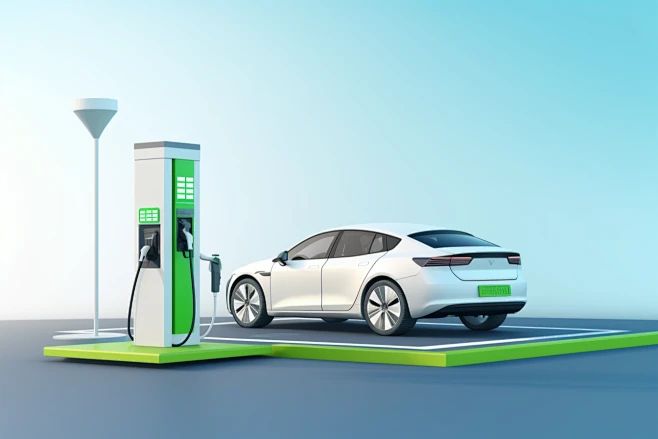
Electric cars operate solely on electricity, using large battery packs to store energy that powers an electric motor. This means that they produce zero tailpipe emissions and have no dependence on fossil fuels for propulsion. These vehicles are typically charged through household outlets or dedicated charging stations. One of the main advantages of electric cars is their efficiency; they convert over 70% of the electrical energy from the grid to power at the wheels. However, they require a reliable charging infrastructure and can have limited range compared to conventional vehicles.
On the other hand, hybrid cars combine a traditional internal combustion engine with an electric motor. This dual system allows hybrid vehicles to operate on either gasoline or electricity, offering improved fuel efficiency and reduced emissions compared to conventional cars. The electric motor provides additional power during acceleration while allowing the gasoline engine to operate at its most efficient range. While hybrids still utilize fossil fuels, their ability to regenerate power through mechanisms like regenerative braking enhances their fuel economy. The main disadvantage, however, is the complexity of having both an engine and electric components, which may lead to higher maintenance costs.
In conclusion, the choice between electric and hybrid cars largely depends on individual needs and the infrastructure available. While electric cars are the purest form of oil-free vehicles, hybrids offer a transitional option for those reluctant to forsake gasoline completely. Understanding the technical specifications and unique advantages of each type plays a crucial role in making an informed decision towards a more sustainable future.
Market Trends and Consumer Preferences in 2026
As of 2026, the automotive market is experiencing a significant shift towards oil-free options, particularly in the context of electric and hybrid vehicles. Recent surveys indicate a growing acceptance among consumers, driven primarily by heightened environmental awareness and the urgency to combat climate change. A notable 72% of respondents express a preference for electric cars over traditional gasoline vehicles, highlighting their commitment to reducing carbon footprints.
Sales data from the past few years reveals a dramatic increase in the purchase of electric and hybrid cars. In fact, electric vehicle sales surged by 45% between 2023 and 2026, while hybrids saw a more modest growth of 20%. This trend can be attributed to several factors, including the availability of government incentives and subsidies designed to encourage the transition towards greener technologies. Additionally, advancements in battery technology have enhanced the driving range and performance of electric vehicles, further solidifying their appeal among consumers.
Demographic shifts also play a crucial role in defining consumer preferences. Younger generations, particularly millennials and Gen Z, are increasingly prioritizing sustainability in their purchasing decisions. Consequently, manufacturers are adapting their marketing strategies to align with these values, emphasizing the eco-friendliness of electric and hybrid cars. Furthermore, urbanization has led to an increased demand for compact and efficient vehicles, making hybrids a popular choice for city dwellers seeking both convenience and environmental responsibility.
Furthermore, government regulations mandating stricter emissions standards continue to impact consumer choices. As cities implement measures to reduce air pollution, the transition to oil-free vehicles has become not only a preference but a necessity. Overall, the trends observed in 2026 indicate a robust momentum towards electric and hybrid cars, positioning them as the preferred oil-free options for an eco-conscious consumer base.
Cost Analysis: Electric vs Hybrid Cars
When considering the financial aspects of electric and hybrid cars, several factors come into play that can significantly influence overall cost. Initially, electric vehicles (EVs) generally have higher purchase prices compared to their hybrid counterparts. This is primarily due to the cost of the battery systems that power them. However, the gap between the two has been narrowing as technology improves and more affordable models are introduced.
One of the most significant benefits of electric vehicles is the potential savings on fuel costs. EVs typically have lower operational costs since electricity is cheaper than gasoline, and they offer reduced maintenance expenses since they have fewer moving parts and do not require oil changes. In contrast, hybrid cars, which use a combination of electricity and gasoline, still incur some of the gasoline expenses, leading to higher fuel costs over time.
Tax incentives play a critical role in the cost analysis as well. Many governments offer substantial tax breaks or rebates for purchasing electric vehicles, which can offset the higher initial purchase price. Hybrid cars may also benefit from some incentives, but they are often less generous. Depending on the country or state, consumers should thoroughly investigate available incentives for both vehicle types.
Insurance rates can vary between electric and hybrid models, but generally speaking, insurance for electric cars tends to be slightly higher due to their higher value and comprehensive coverage requirements. Moreover, depreciation rates differ; electric vehicles often depreciate more slowly than hybrids, especially as the market shifts towards greener options.
Lastly, aspiring electric car owners should consider the costs associated with charging infrastructure. While home charging installations can involve initial costs, public charging stations are increasingly prevalent, which can alleviate some of the concerns regarding accessibility and convenience. When evaluating both electric and hybrid vehicles, the implications of traditional gasoline expenses for hybrids further complicate the decision-making process.
The Future of Oil-Free Vehicles: Predictions and Innovations
As we advance toward 2026, the automotive landscape is poised for substantial transformation, particularly in the realm of oil-free vehicles. Electric and hybrid cars are at the forefront of this shift, driven by anticipated technological advancements that promise to redefine our transportation system. Central to this evolution is the improvement in battery technology, which is expected to yield batteries with higher energy densities and faster charging capabilities. Innovations such as solid-state batteries are likely to enhance the efficiency and safety of electric vehicles, making them more appealing to consumers.
Moreover, the development of ultrafast charging stations will significantly reduce the waiting time for electric vehicle users, addressing one of the major concerns associated with the adoption of oil-free options. These advancements will likely help mitigate range anxiety, a common barrier to the widespread acceptance of electric vehicles. Alongside these technological improvements, there is a growing emphasis on sustainable energy sources that can power these vehicles. In the coming years, we can expect a substantial increase in the availability of renewable energy, such as solar and wind power, to further reduce the carbon footprint of electric and hybrid cars.
The automotive industry will also need to adapt to these innovations. Manufacturers are increasingly investing in research and development of oil-free options, with a significant focus on producing vehicles that align with environmental regulations and consumer preferences for sustainability. Additionally, regional developments will play a crucial role in shaping the infrastructure necessary for supporting electric vehicles, such as improved charging networks and incentives for electric vehicle adoption.
Ultimately, the trajectory towards oil-free vehicles by 2026 reveals a commitment to sustainability and technological innovation. The implications for the environment are profound, with decreased reliance on fossil fuels and lower emissions contributing to cleaner air and a healthier planet. This future does not just signify a shift in technology; it represents a pivotal change in our approach to transportation and its role within society.